Plastic Pollution: What It Is, Who’s Fighting It, and How You Can Help
When we talk about plastic pollution, the accumulation of synthetic plastic waste in ecosystems, especially oceans and waterways, that harms wildlife and human health. It’s not just litter—it’s a global crisis fueled by single-use packaging, poor waste systems, and corporate practices that prioritize profit over planet. Every minute, a garbage truck’s worth of plastic gets dumped into the ocean. By 2050, there could be more plastic than fish in the sea—if we don’t change course.
This problem doesn’t exist in a vacuum. It’s tied to environmental groups, organizations that push for policy change, cleanups, and public awareness around ecological threats. Groups like Greenpeace and 350.org don’t just protest—they file lawsuits, pressure brands, and run community-led recycling drives. And it’s not just big names. Local teams in Bangladesh, Oregon, and South Africa are turning beach trash into art, teaching kids about microplastics, and pushing stores to ditch plastic bags—all without big budgets. Then there’s waste management, the systems and infrastructure for collecting, sorting, and disposing of trash. In many places, it’s broken. Landfills overflow. Recycling centers shut down because sorting plastic is too expensive. But some cities are fixing it—by banning single-use plastics, funding composting, and making producers pay for the waste they create. And let’s not forget ocean cleanup, the effort to remove plastic debris from marine environments using boats, drones, and even passive floating barriers. Projects like The Ocean Cleanup have pulled tons of plastic from the Great Pacific Garbage Patch, but they’re not the whole answer. Prevention is faster, cheaper, and more effective.
Plastic pollution isn’t a distant problem. It’s in your food, your water, even the air you breathe. Microplastics have been found in human blood. Fish swallow plastic bags and die. Turtles mistake them for jellyfish. And the companies making this stuff? Many still design products meant to be thrown away after one use.
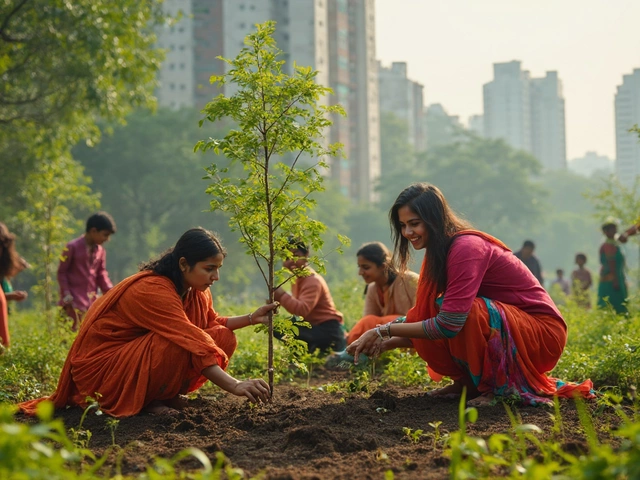
But here’s the good news: change is happening. Communities are organizing. Governments are passing laws. Brands are switching to paper and aluminum. And you don’t need to be an activist to make a difference. Refuse a plastic straw. Bring your own bag. Support businesses that avoid plastic packaging. Join a local cleanup. These aren’t small acts—they’re the foundation of a movement.
Below, you’ll find real stories from people and groups fighting plastic pollution on the ground—from grassroots campaigns in New Zealand to global pressure tactics that forced major brands to change. You’ll see what works, what doesn’t, and how you can step in—not just as a supporter, but as part of the solution.
What Is the #1 Environmental Problem Today?
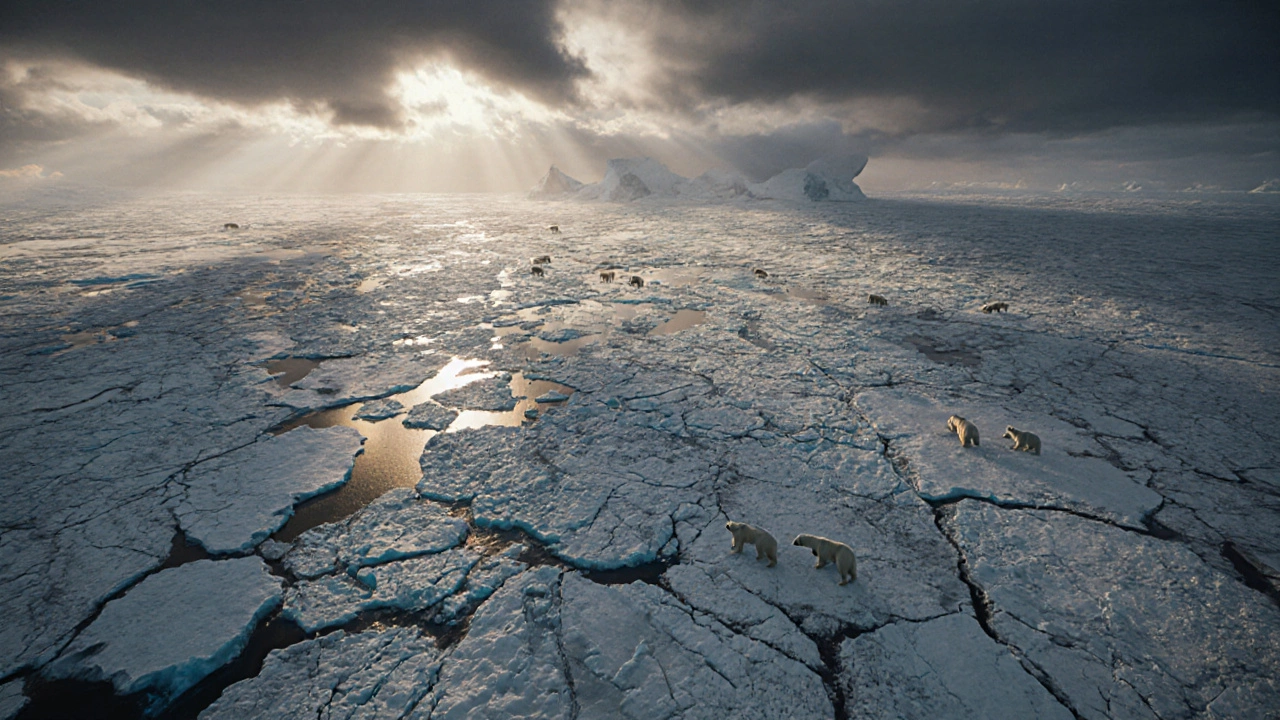
Climate change is the #1 environmental problem because it drives mass extinctions, extreme weather, ocean acidification, and ecosystem collapse. Everything else-from plastic pollution to deforestation-is worsened by it.
DetailRelated Posts