Mental Health: Understanding Genetics, Support, and How to Take Action
When we talk about mental health, the state of your emotional, psychological, and social well-being that affects how you think, feel, and handle stress. Also known as mental wellness, it’s not just the absence of illness—it’s about having the tools to cope, connect, and keep going, even when life gets heavy. Many people assume mental health problems are just about bad days or weak willpower, but that’s not true. Conditions like depression, bipolar disorder, and schizophrenia often have strong genetic roots, as shown in studies tracking families over decades. Having a parent or sibling with one of these conditions doesn’t mean you’ll get it—but it does mean your risk is higher, and knowing that can help you act early.
Genetic mental illness, a condition passed down through family lines that increases vulnerability to disorders like depression or schizophrenia isn’t a life sentence. It’s a signal. Just like knowing you have a family history of heart disease makes you more likely to eat better and get checkups, understanding your mental health risks lets you build stronger habits: sleep routines, therapy before crisis hits, limiting alcohol, staying connected to people who matter. And it’s not just about genes. Mental health support, the network of resources—counseling, peer groups, crisis lines, community programs—that help people manage and recover from mental illness is more available than ever, even if it’s hard to find. Food banks help with hunger; mental health services should be just as easy to access. But too often, they’re hidden behind long waitlists, stigma, or cost. That’s why knowing where to look matters—whether it’s free online therapy, local support groups, or school-based programs.
What you’ll find below aren’t just articles. They’re real stories and facts about how mental health connects to money, family, charity, and even how billionaires choose to give—or not give. You’ll see how genetics shape risk, how volunteering can lift someone’s mood, and how some people use charitable trusts to fund mental health services long after they’re gone. This isn’t theory. It’s what’s happening right now—in homes, clinics, and communities. And if you’re struggling, or if someone you care about is, this is where you start—not with a cure, but with understanding.
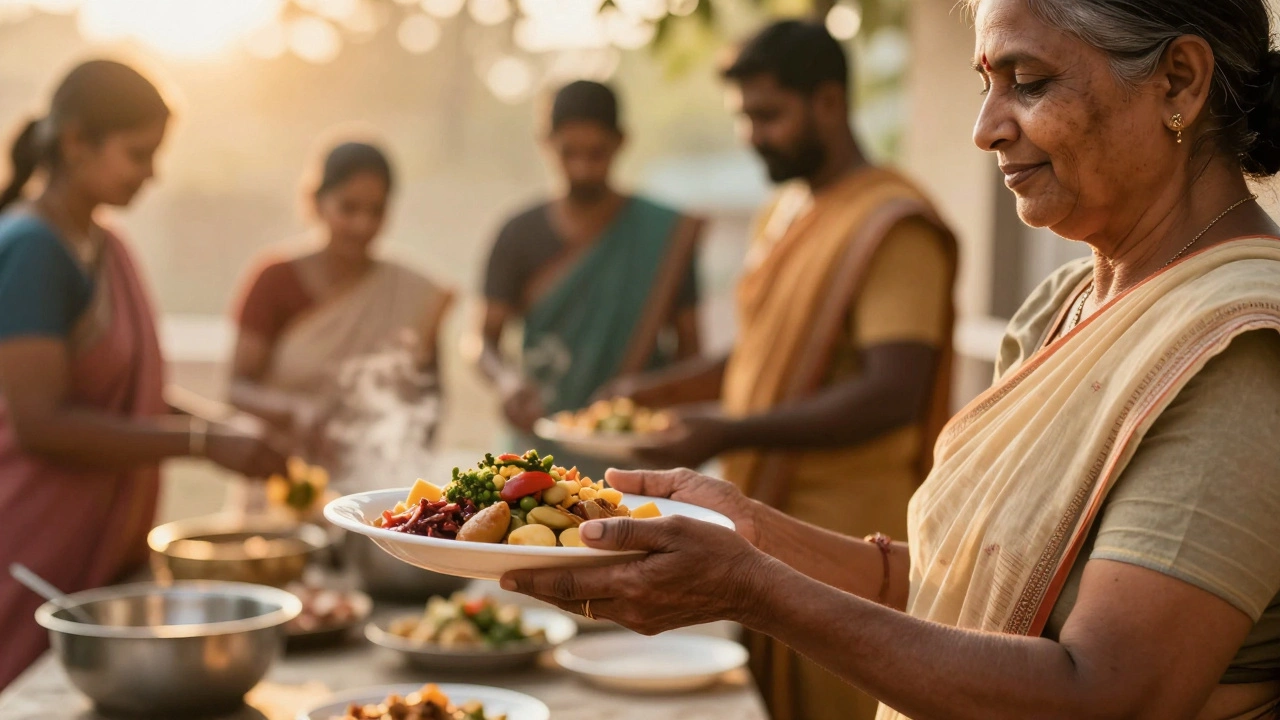
Why Volunteer? Top Benefits for You and Your Community
Discover why volunteering matters for your health, career, and community. Learn how helping others boosts well-being, builds skills, and creates connections. Real data shows the impact in 2026.
Detail
Are Support Groups Worth It? Benefits, Risks & How to Choose
Explore the real benefits and drawbacks of local support groups, learn how to pick the right one, and get practical tips to make the most of your experience.
Detail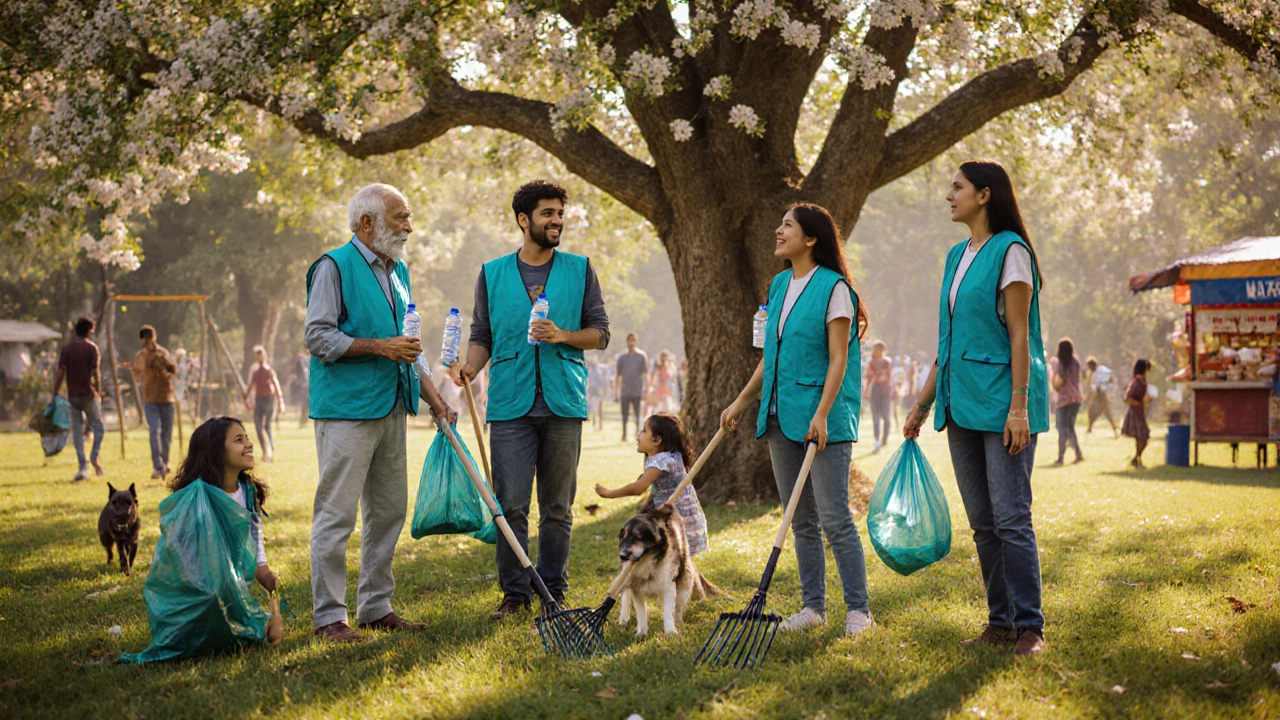
5 Key Benefits of Volunteering You Can’t Ignore
Discover five tangible benefits of volunteering, from community engagement and skill growth to mental health and career boosts, plus tips to make the most of each.
Detail
Find a Support Group Near Me: Simple Ways to Get Connected
Looking for a support group near you can feel scary at first, but it doesn't have to be complicated. This article breaks down the easiest ways to find a group that fits your needs, whether online or in person. You’ll discover where to search, what questions to ask, and how to know a group is the right fit. Get ready for clear tips and real advice so you can stop feeling alone and start building your support system today. Practical info, no fuss.
Detail
Discovering Rare Mental Health Charities: Making a Difference
Rare mental health charities often go unnoticed, yet they play a crucial role in supporting those with uncommon mental health challenges. These organizations provide specialized resources, creating a safety net for individuals who might otherwise fall through the cracks. They not only raise awareness but also pioneer innovative approaches tailored to unique needs. Exploring these charities reveals inspiring stories and new opportunities for making a real impact.
DetailRelated Posts