Volunteer Impact Calculator
See Your Impact
Calculate the value and benefits of your volunteer hours. Based on data from the Corporation for National and Community Service, 2024.
Monetary Value
Your $30.50/hour volunteer hours are worth per month
Mental Health Benefits
You could reduce stress by % compared to non-volunteers
Career Opportunities
Your volunteer work could open career connections
Community Impact
Your contributions help support community members
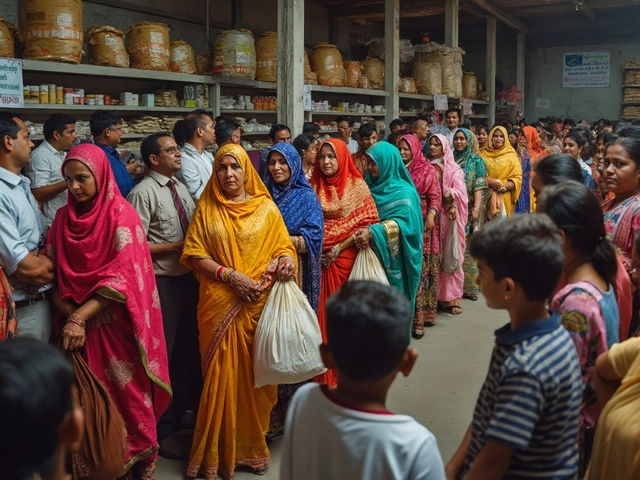
In 2024, volunteers in the United States contributed over 4 billion hours of service, valued at $122 billion. But why should you volunteer? It's not just about helping others-it's about what you gain in return. The volunteering benefits include improved mental health, career growth, and stronger community ties. Volunteering is the act of giving time and effort to help others without financial gain. It's a powerful way to support communities while gaining personal benefits. According to the Corporation for National and Community Service, volunteers contributed over 4 billion hours in 2024.
Health and Mental Well-being Benefits
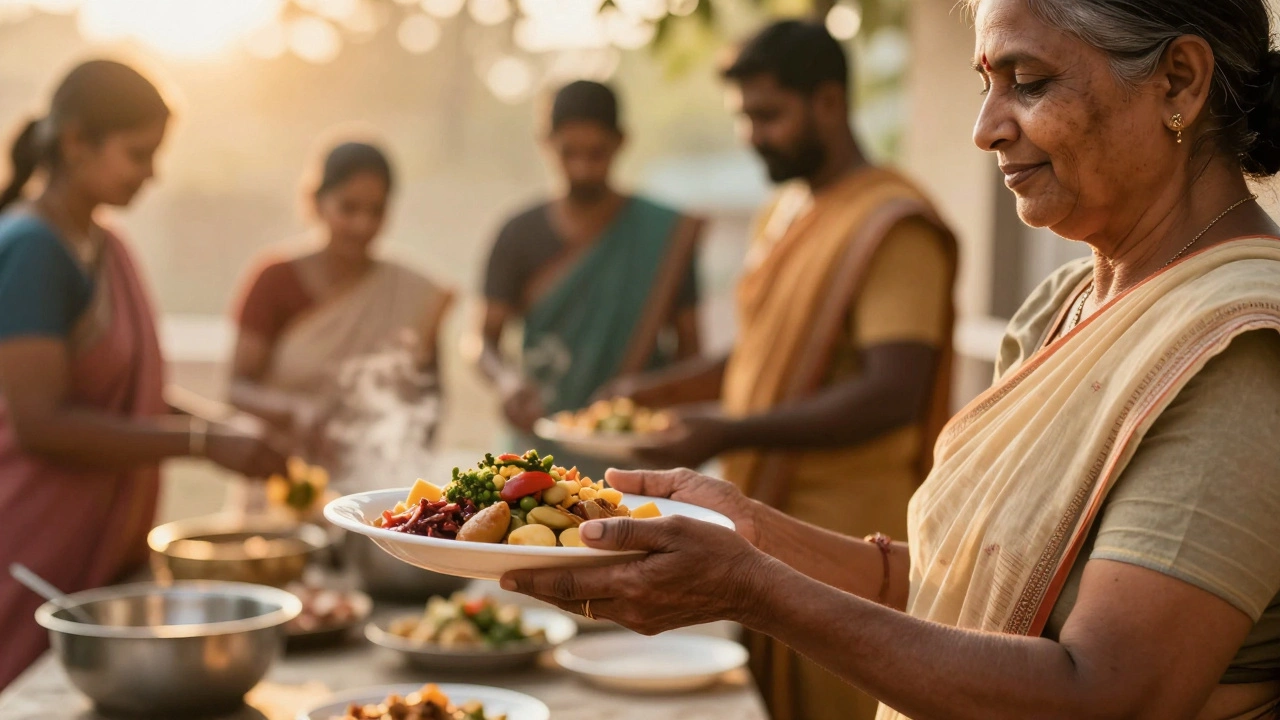
Volunteering isn't just good for the community-it's good for your health too. A 2025 study by the American Psychological Association found that regular volunteers report 23% lower stress levels than non-volunteers. Helping others releases endorphins, creating what's known as the "helper's high." This natural mood booster can combat depression and anxiety. For example, a retired teacher in Florida who volunteers at a local food bank says she feels more connected and less lonely since starting her weekly shifts. "I used to feel isolated after retiring," she shared. "Now, I have purpose and friends."
Physical health also benefits. A study in the Journal of Health and Social Behavior showed that volunteers have lower blood pressure and better immune function. For older adults, volunteering reduces the risk of hypertension by 40%. Younger volunteers see similar benefits: a 2025 study found teens who tutor others have 30% fewer anxiety symptoms than those who don't volunteer.
Professional Advantages
Many people volunteer to build skills for their careers. A 2024 LinkedIn survey found that 41% of hiring managers consider volunteer work as valuable as paid experience. Why? Because volunteering offers hands-on practice in project management, communication, and teamwork-skills that are hard to learn in a classroom. For instance, a college student who volunteers with United Way to organize community events gains experience in event planning and budgeting. These skills made her stand out during job interviews for her first role in marketing.
Volunteering also expands your professional network. You meet people from different backgrounds and industries who can become mentors or job references. In fact, 30% of volunteers say they've made career connections through their service work, according to a 2025 report from the Corporation for National and Community Service. A 2024 survey by the Society for Human Resource Management showed that 70% of HR professionals believe volunteer experience demonstrates a candidate's character and work ethic.

Building Stronger Communities
When you volunteer, you become part of something bigger than yourself. Community gardens, food banks, and after-school programs rely on volunteers to function. In cities like Chicago and Austin, neighborhood clean-up days bring together residents who might never have met otherwise. These small actions create bonds that strengthen the entire community. A 2025 survey by Red Cross found that communities with high volunteer participation report 35% higher trust in local institutions.
For example, a group of volunteers in Detroit started a community fridge initiative after noticing food insecurity in their area. What began as a small project now serves hundreds of families weekly. "We didn't just fill fridges-we built a network of neighbors who support each other," said one organizer. A 2025 study by the University of Michigan found that communities with high volunteer participation had 30% lower crime rates. This shows how volunteer work contributes to safer neighborhoods.
How to Start Volunteering with Minimal Time
You don't need to commit to a year-long project. Many organizations offer one-time opportunities or flexible schedules. The United Way "30-Hour Challenge" helps volunteers find roles that fit into a busy schedule-like a single day of mentoring or a weekend park cleanup. "I was worried I didn't have time," said a working parent in Seattle. "But I found a 2-hour shift at a food bank that fit perfectly. Now I volunteer monthly."
Organizations often provide training. The Red Cross trains volunteers for disaster response in just a few hours. No prior experience needed. You can also search for opportunities through platforms like VolunteerMatch or Idealist. Just pick something that aligns with your interests-whether it's animal care, tutoring, or environmental work-and take the first step.
Common Myths About Volunteering
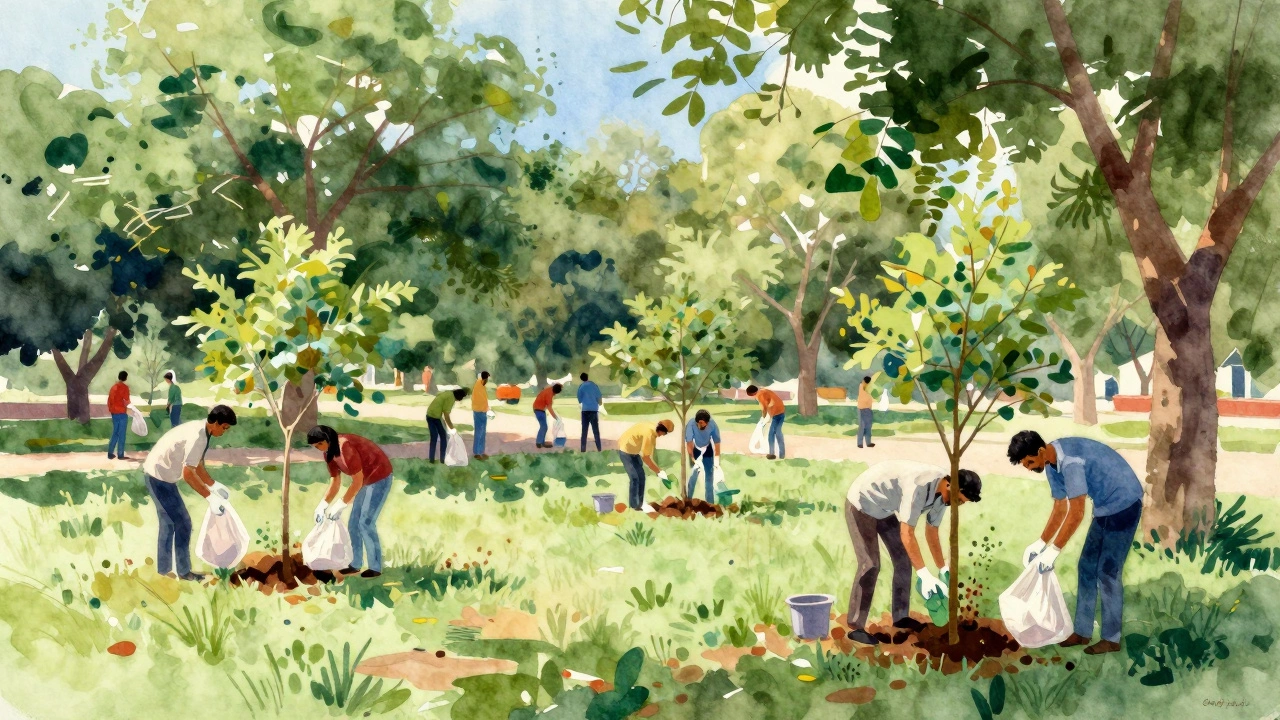
Some think volunteering requires special skills or a lot of time. But organizations often train volunteers. For example, the Red Cross trains volunteers for disaster response in just a few hours. Others believe it's only for retirees, but 60% of volunteers are under 40, according to the 2025 National Volunteer Survey. Another myth is that you need to be perfect at your job to help. In reality, most volunteer roles are designed for people to learn as they go. A high school student who volunteers at a library, for instance, starts by shelving books but soon learns how to assist with kids' programs.
Another common misconception is that volunteering is only for those with extra time. But many opportunities fit into short timeframes. A 2024 survey found that 45% of volunteers spend less than 5 hours per month on service. Whether you can spare an hour during lunch or a weekend afternoon, there's a role for you. A 2025 Bureau of Labor Statistics report showed that individuals with volunteer experience on their resumes were 27% more likely to receive job offers after a job loss. This is especially true for fields like healthcare, education, and social work, where hands-on experience is valued.
Frequently Asked Questions
Do I need special skills to volunteer?
Most volunteer roles require no special skills. Organizations provide training for tasks like serving food, tutoring, or event setup. For example, the Red Cross trains volunteers for disaster response in just a few hours. If you're interested in a specific role, like animal care or tech support, you may need some background, but many opportunities are designed for beginners.
How much time do I need to commit?
You can volunteer as little as one hour. Many organizations offer flexible options, like one-time events or short shifts. For instance, the United Way "30-Hour Challenge" includes opportunities that fit into a busy schedule. A 2024 survey found that 45% of volunteers spend less than 5 hours per month on service. Start small and increase your commitment if you enjoy it.
Can volunteering help my career?
Yes. A 2024 LinkedIn survey found that 41% of hiring managers consider volunteer work as valuable as paid experience. Volunteering builds skills like teamwork and project management that employers value. It also expands your network-30% of volunteers say they've made career connections through service work. Even if you're a student or changing careers, volunteer experience can make your resume stand out.
What if I don't have time to volunteer regularly?
Many organizations offer one-time opportunities. For example, park cleanups, charity runs, or holiday food drives often need volunteers for just a few hours. The Corporation for National and Community Service reports that 45% of volunteers participate in short-term projects. You can also donate money or supplies if time is limited-many nonprofits welcome both forms of support.
How do I find volunteer opportunities near me?
Start with local nonprofits, schools, or places of worship. Websites like VolunteerMatch, Idealist, and United Way's platform let you search by location and interest. For example, if you care about environmental issues, search for "tree planting" or "beach cleanup" events. Many cities also have volunteer centers that connect residents with opportunities. A quick Google search for "volunteer opportunities [your city]" will usually yield results.