Housing Vouchers: What They Are, Who Gets Them, and How They Help
When money runs out but rent doesn’t, housing vouchers, a government-backed tool that helps low-income households pay for rent. Also known as Section 8 vouchers, they’re not handouts—they’re a bridge between income and safe housing. These vouchers let people choose where they live, as long as the landlord accepts them and the rent is reasonable. Unlike public housing, which locks you into a specific building, vouchers give you freedom—whether you’re moving closer to a job, a school, or just away from a dangerous neighborhood.
They’re not magic. You don’t just apply and get one. There’s a waiting list—sometimes years long—in most places. And even if you get one, you still need to find a landlord who’ll take it. That’s the real hurdle. Many landlords won’t accept vouchers because of paperwork, inspections, or bias. But when it works, it changes everything. A family stays housed. A kid stays in the same school. Someone gets a chance to rebuild. That’s why places like Arkansas and New Zealand have started expanding these programs—they’re not just about rent, they’re about stability.
Related tools like homeless assistance, state and federal programs that provide emergency shelter, rent aid, and case management, often work alongside vouchers. If you’re homeless, a voucher might be your way out—but you need support to get there. Case workers help with applications, credit issues, and even moving costs. And programs like the Arkansas homeless grant, a mix of state and federal funds used to cover rent, deposits, and temporary housing show how local efforts can fill gaps when national programs fall short.
Housing vouchers don’t solve poverty. But they stop the spiral. When you’re not worrying about eviction, you can focus on work, health, or your kids’ homework. They’re not glamorous. They’re not headline news. But for millions, they’re the only thing standing between a roof and the street.
Below, you’ll find real stories and guides on how these programs actually work—from the paperwork to the people behind them. You’ll learn who qualifies, where to apply, and what to do when you hit a wall. No fluff. Just what helps.
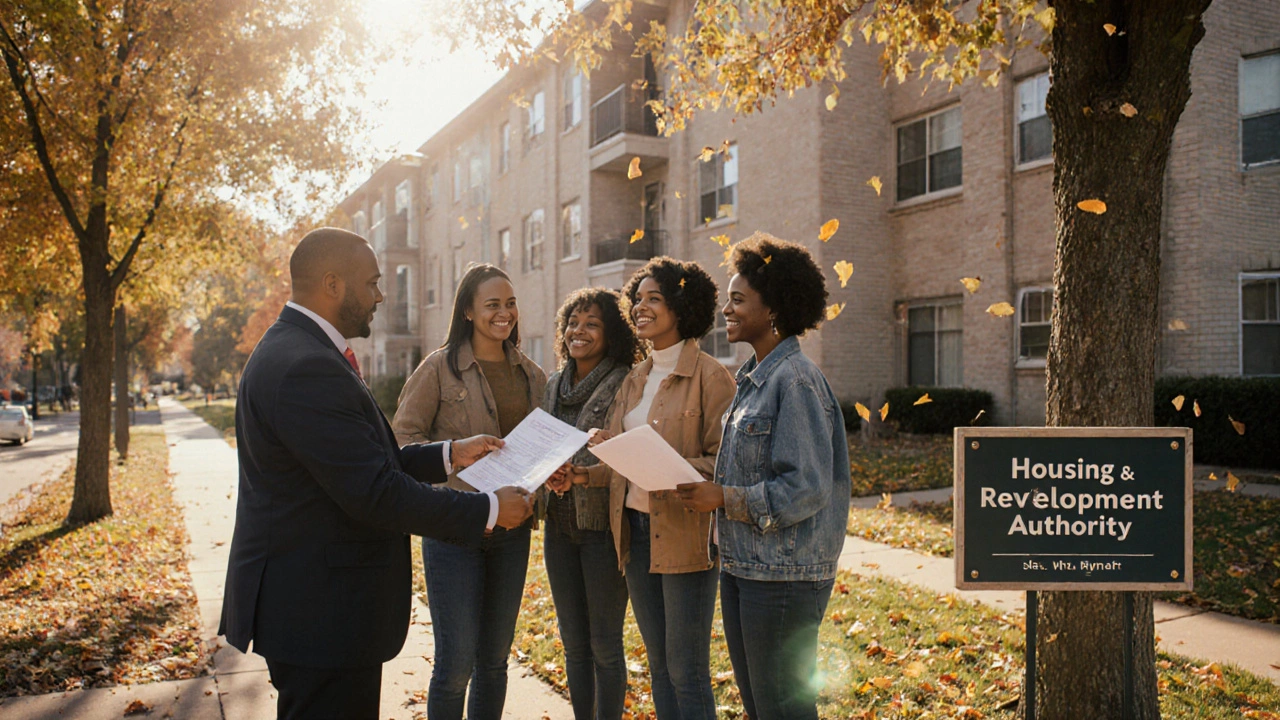
What State Is the Easiest to Get Low Income Housing?
Some states make it much easier to get low income housing than others. Minnesota, Vermont, and Oregon have stronger programs, shorter waits, and better landlord support. Learn where to apply and how to get help fast-even if you're homeless.
Detail