Environmental Psychology: How Spaces Shape Our Behavior and Well-Being
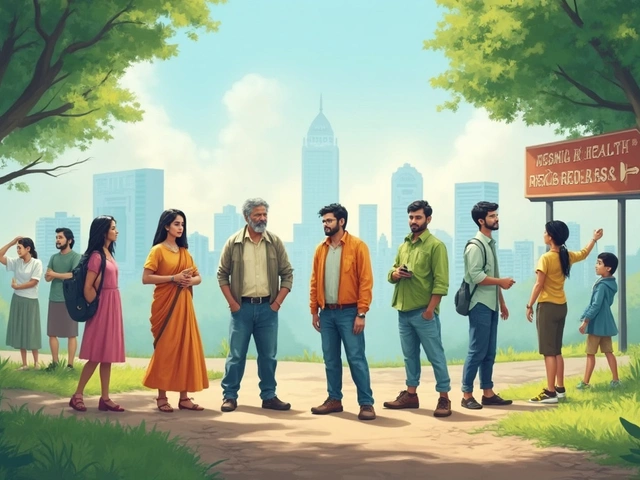
When you walk into a cluttered room and feel overwhelmed, or step into a park and instantly feel calmer, that’s environmental psychology, the study of how physical spaces influence human thoughts, emotions, and actions. Also known as human-environment relations, it’s not about decorating rooms—it’s about understanding why certain places make us anxious, inspired, or connected. This field doesn’t just look at buildings or parks. It asks: Why do some neighborhoods feel safe while others feel hostile? Why do hospitals with windows facing trees have faster recovery rates? Why do kids in schools with natural light focus better? These aren’t coincidences—they’re patterns proven by research.
Physical environment, the tangible world around us—from sidewalks and lighting to air quality and noise levels directly shapes how we behave. A narrow, poorly lit alley can make people avoid walking, even if it’s the shortest route. A community garden can turn strangers into neighbors. Urban design, how cities are planned and built isn’t just about traffic flow—it’s about human connection. Studies show that people who live near green spaces report lower stress and better mental health. That’s not just a nice bonus—it’s a public health factor. And when we talk about mental health, the state of our emotional and psychological well-being, environmental psychology shows it’s not just about therapy or medication. It’s also about whether your street has benches to sit on, trees to shade you, or walls that feel like they’re watching you.
Environmental psychology connects directly to real-world issues you see every day: why some communities rally together after a disaster while others fall apart, why people litter in some areas but not others, why volunteers show up in one neighborhood but not the next. It explains why the same charity campaign works in a quiet suburb but fails in a noisy city block. It’s behind the design of shelters, community centers, and even food banks that feel welcoming instead of institutional. The posts below dig into how these ideas play out in practice—from the quiet power of local green spaces to how climate anxiety affects people’s willingness to act. You’ll find real stories from people who’ve seen how changing a park, a wall, or a street corner changed how their whole community felt. This isn’t theory. It’s what’s happening outside your door right now.
Do Your Surroundings Affect You? Science-Backed Ways to Shape Your Space and Mood
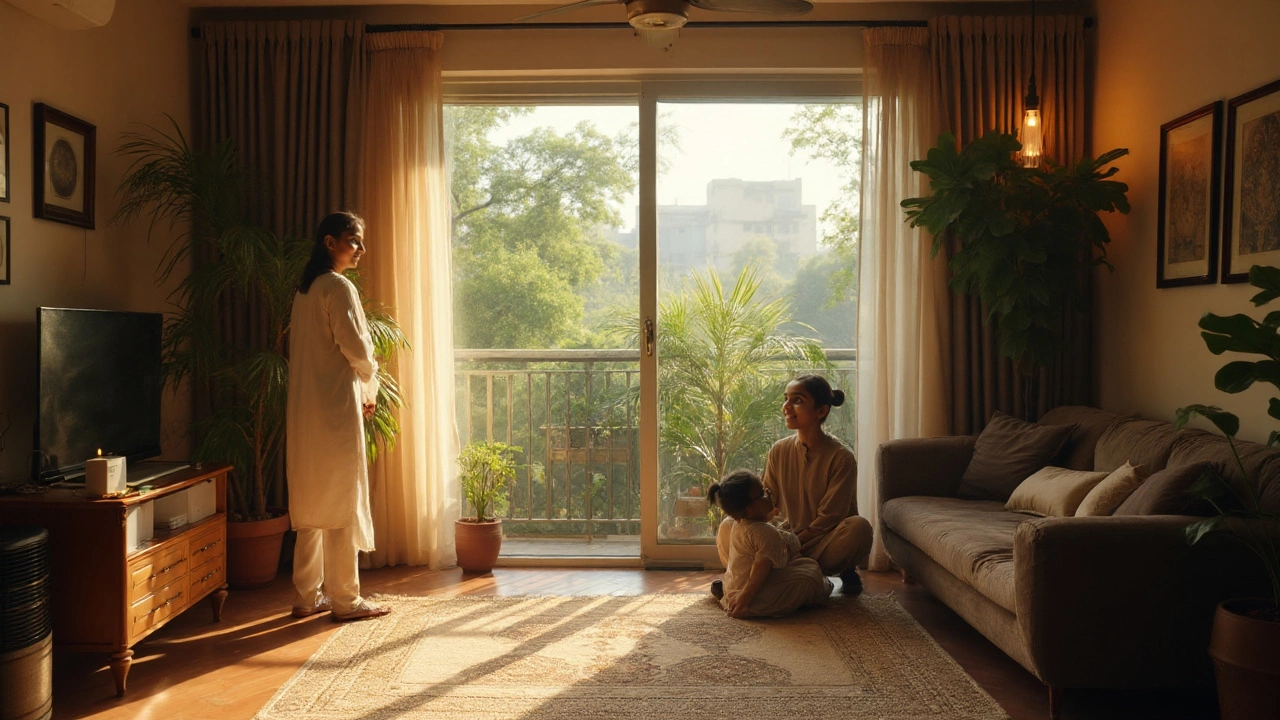
Yes-surroundings change mood, focus, and health. See how air, noise, light, and community shape wellbeing, plus practical steps to fix home, work, and street environments.
DetailRelated Posts