Environmental Planning: What It Is and How Communities Are Making It Work
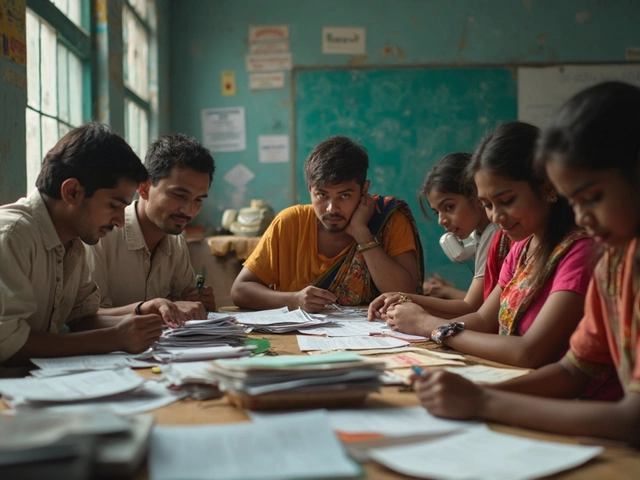
When we talk about environmental planning, the process of designing land use, infrastructure, and policies to protect natural resources while meeting human needs. It’s not just zoning laws or tree planting—it’s deciding who gets clean water, where parks are built, and how cities prepare for floods and heatwaves. This isn’t something done only by government officials in offices. Real environmental planning happens when neighbors organize to stop a polluting factory, when schools teach kids to restore wetlands, or when local groups pressure councils to fund bike lanes instead of more roads.
Climate change, the long-term shift in global weather patterns driven by human activity is now the biggest driver behind every environmental planning decision. You can’t plan for parks without considering rising temperatures. You can’t design flood defenses without knowing how rainfall patterns are changing. That’s why groups like Greenpeace, a global environmental organization that uses direct action and advocacy to protect ecosystems and the World Wildlife Fund, a science-based conservation group working to protect species and habitats worldwide push for policies that tie planning to real climate data. But you don’t need a big budget to make a difference. In New Zealand, Bangladesh, and Oregon, small community groups are planting native trees along rivers, mapping heat islands in poor neighborhoods, and turning abandoned lots into urban farms—all part of grassroots environmental planning.
It’s not just about saving trees. Ecosystem services, the benefits nature provides to people, like clean air, pollination, and flood control are the hidden foundation of every city. When planners ignore these, they end up spending millions fixing problems that nature could have solved for free. A wetland that absorbs floodwater is cheaper than a concrete drainage system. A forest that filters air reduces healthcare costs. Environmental planning that values these services isn’t idealistic—it’s smart economics. And it’s why local outreach matters. You can’t plan for a community if you don’t know what its people need. That’s why community outreach, building trust through consistent, honest engagement with local residents is the first step in any real environmental plan.
What you’ll find below aren’t just articles about policies or science. These are stories of people who saw a problem—dirty rivers, disappearing green space, unfair housing near industrial zones—and didn’t wait for permission to fix it. From fundraising efforts that actually worked, to how volunteers turned empty lots into community gardens, to the real cost of ignoring nature—this collection shows environmental planning as it’s lived, not just written about.
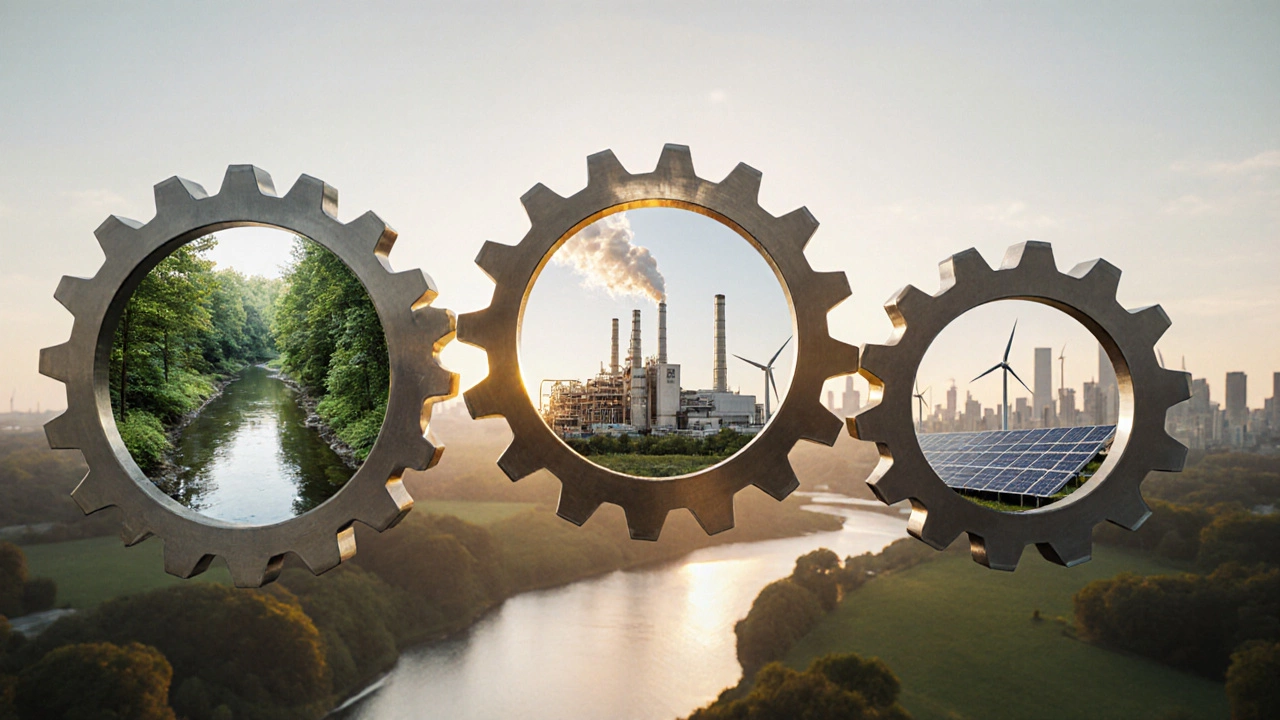
The Three Core Groups of Environmental Management Explained
Explore the three groups of environmental management-pollution prevention, resource conservation, and environmental planning-plus real-world examples, practical steps, and FAQs.
DetailRelated Posts