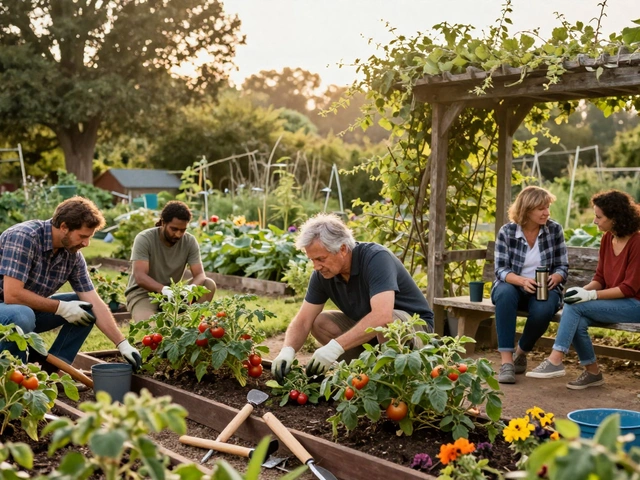
Environmental Management: What It Is and How Real Groups Are Making It Work
When we talk about environmental management, the practical process of protecting natural resources and reducing human harm to ecosystems. It’s not just about laws or reports—it’s about what people actually do on the ground to keep air clean, water safe, and land alive. This isn’t theory. It’s what groups like Greenpeace and the Sierra Club do every day—shutting down polluting projects, restoring wetlands, pushing for cleaner energy, and holding corporations accountable. And it’s not just big names. Smaller groups in Bangladesh, Oregon, and South Africa are doing the same thing with no budget and no PR team—just persistence.
Climate change, the most urgent driver of environmental damage today doesn’t wait for perfect plans. It’s already causing heat deaths, floods, and crop failures. That’s why ecosystem services, the natural processes that support life—like clean water, pollination, and carbon storage are now central to how communities fight back. When a group in New Zealand plants native trees to stop erosion, they’re not just planting trees. They’re restoring a service that keeps rivers clean and farms productive. When a group in Canada stops a pipeline, they’re protecting carbon sinks that help cool the planet. These aren’t separate efforts—they’re all part of environmental management in action.
And it’s not just about stopping bad things. It’s about building better systems. That’s why you’ll find posts here on how to pick a trustworthy charity, how volunteering boosts your job chances, and how food banks tie into broader community resilience. Environmental management doesn’t happen in a vacuum. It connects to poverty, mental health, housing, and even how we fund change. The most effective groups don’t just scream about pollution—they build coalitions, train locals, and make sure their work lasts beyond a single campaign.
What you’ll find below isn’t a list of buzzwords. It’s a collection of real stories—from the first youth groups that sparked environmental action to the billionaires who refuse to fund it. You’ll see how local teams in New Zealand and Oregon are winning fights big NGOs can’t touch. You’ll learn what makes an environmental group actually effective, not just loud. And you’ll find out why the #1 environmental problem today isn’t plastic straws—it’s the system that lets climate change keep killing people.

The Three Core Groups of Environmental Management Explained
Explore the three groups of environmental management-pollution prevention, resource conservation, and environmental planning-plus real-world examples, practical steps, and FAQs.
DetailRelated Posts