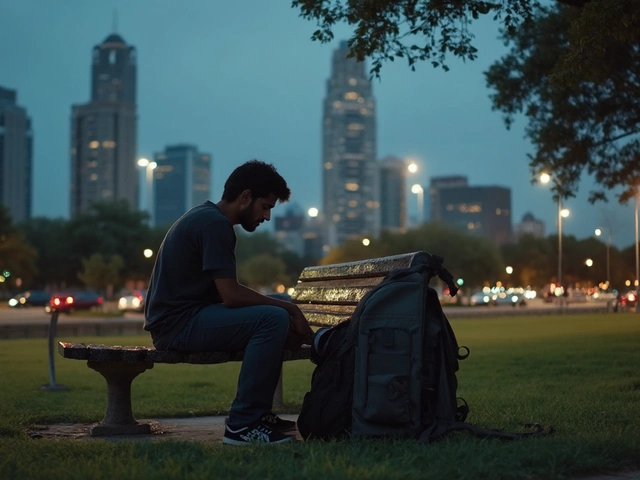
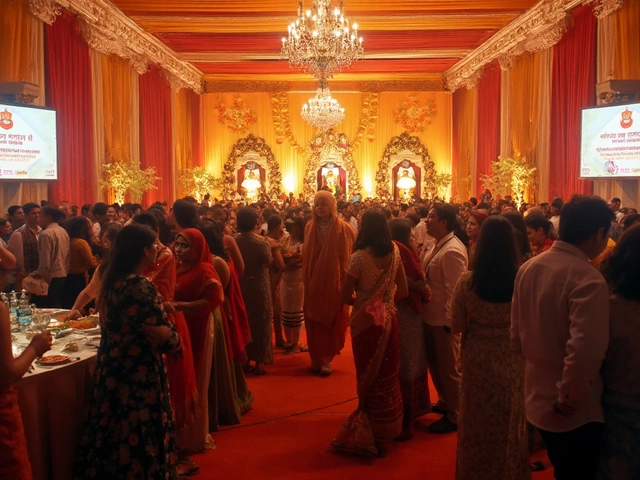
Early Youth Programs: What They Are and Why They Matter
When we talk about early youth programs, structured activities designed to support children and teens during critical developmental years. These programs are more than after-school clubs—they’re lifelines for kids who need safe spaces, role models, and consistent encouragement. They don’t just fill time; they build resilience, teach teamwork, and give young people a voice before they even reach high school.
Community outreach, the practice of connecting organizations with local families to meet real needs is the backbone of most successful early youth programs. Think of a local library hosting free reading circles, a church running homework help nights, or a sports team offering free gear to kids who can’t afford it. These aren’t fancy events—they’re quiet, regular acts of care that add up over years. And they work. Studies show kids in consistent youth programs are 40% less likely to drop out of school and more likely to find stable jobs later.
Volunteer opportunities, ways for adults to give time and skills directly to young people are the engine behind these efforts. You don’t need a degree to help. Just showing up—reading a book, coaching a game, helping with art supplies—makes a difference. Many of the most impactful programs run on volunteers who care more about presence than perfection. And it’s not just the kids who benefit. Adults who volunteer often report feeling more connected, less isolated, and more grounded in their communities.
Early youth programs don’t wait for crises. They prevent them. A kid who learns to read with a mentor at age eight is less likely to end up in the juvenile system at sixteen. A teen who finds a safe place to talk after school is less likely to turn to drugs or self-harm. These programs are the quiet armor against growing inequality.
You’ll find stories here about real programs making a difference—not the ones with big logos and TV ads, but the ones run by teachers, grandparents, and neighbors who refuse to look away. Some focus on mental health. Others on literacy, sports, or just having someone who remembers your name. You’ll see how simple ideas—like a weekly pizza night or a free bike repair station—turn into lasting change. And you’ll learn how to get involved, whether you’re a parent, a student, or someone who just wants to help.
This isn’t about fixing kids. It’s about giving them the space to grow—and the people to walk beside them.
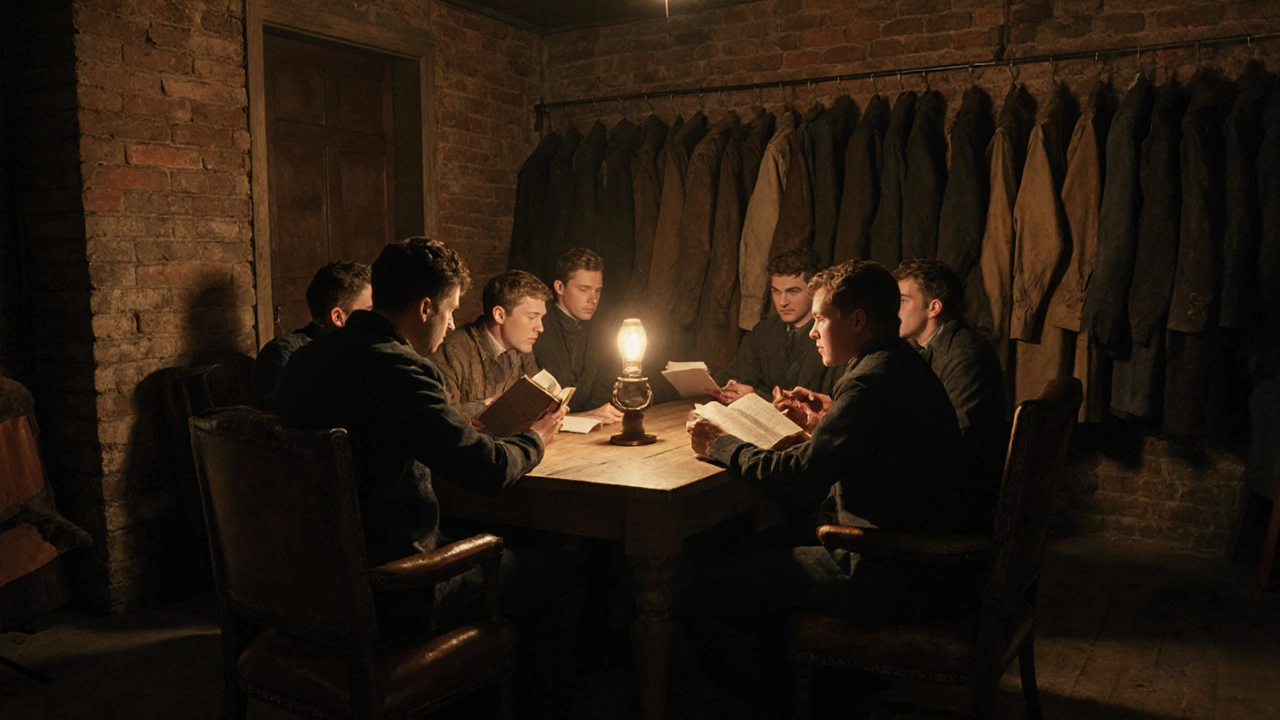
What Was the First Youth Organization? History and Origins
The first youth organization was the YMCA, founded in 1844 in London to support young men in industrial cities. It became the model for youth groups worldwide.
DetailRelated Posts