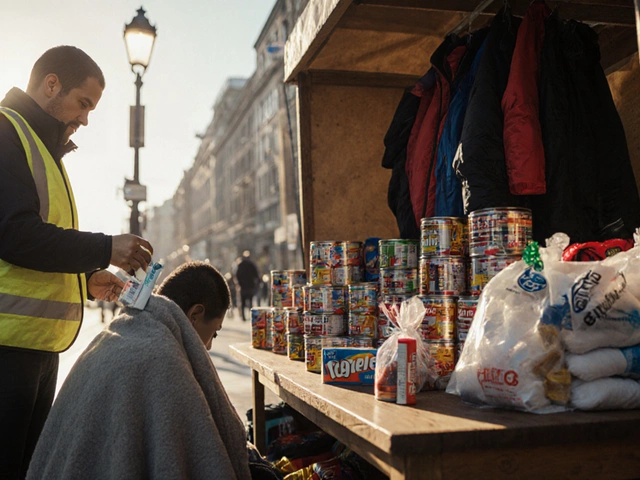
Climate Action Group: How Local Teams Are Fighting Climate Change
A climate action group, a local organization formed to tackle environmental issues like rising temperatures, pollution, and habitat loss through direct community efforts. Also known as climate justice group, it brings together neighbors, students, retirees, and activists who refuse to wait for governments to act. These aren’t just protest marches—they’re people showing up week after week to plant trees, clean rivers, pressure local councils, and teach kids how to reduce waste. And they’re working because climate change isn’t a distant threat—it’s here, in the form of hotter summers, stronger storms, and food prices that keep climbing.
Climate action groups often start small: a few people in a town hall meeting, a teacher organizing a school cleanup, a parent tired of seeing plastic in the creek. But their impact grows fast. Take the groups in Oregon and Bangladesh mentioned in our posts—they didn’t need millions in funding. They used local knowledge, persistence, and community trust to stop pipelines, restore wetlands, and get plastic bags banned. These groups rely on community outreach, building real, long-term relationships with neighbors through consistent presence and listening—not flyers or social media blasts. They know that change happens when people feel seen and included. And they’re not alone. Many of the same people running these groups also volunteer at food banks, help homeless shelters, or join support circles. The lines between social justice and environmental justice are blurry because they’re the same fight: people surviving, not just surviving, but thriving.
What makes a climate action group different from big NGOs like Greenpeace or the World Wildlife Fund? It’s scale and speed. Big organizations move slowly, tied to donors and global campaigns. Local groups move fast—they hear about a new factory polluting the river on Monday, and by Wednesday, they’ve got a petition, a protest sign, and a meeting with the city council. They don’t need to wait for approval from headquarters. They act. And they measure success not in donations, but in clean water, restored parks, and kids who now know how to compost. That’s why so many of our posts focus on environmental groups, community-based organizations driving change without big budgets, often through direct action and grassroots organizing. They’re the ones turning climate anxiety into concrete action.
Some of these groups even run fundraising events—not to make money, but to build connections. They host potlucks, bike parades, or film nights where people learn about heatwaves in South Africa or how to pressure banks to stop funding coal. These aren’t fancy galas. They’re honest conversations over cheap coffee. And that’s what sticks. Because when you see someone from your neighborhood standing up for the environment, you realize: this isn’t someone else’s problem. It’s yours too.
Below, you’ll find real stories from people who started these groups, failed at first, then kept going. You’ll see how they turned a single protest into a citywide policy change. You’ll learn what actually works when you’re trying to protect your air, your water, your future. No fluff. No jargon. Just what’s working on the ground, right now.
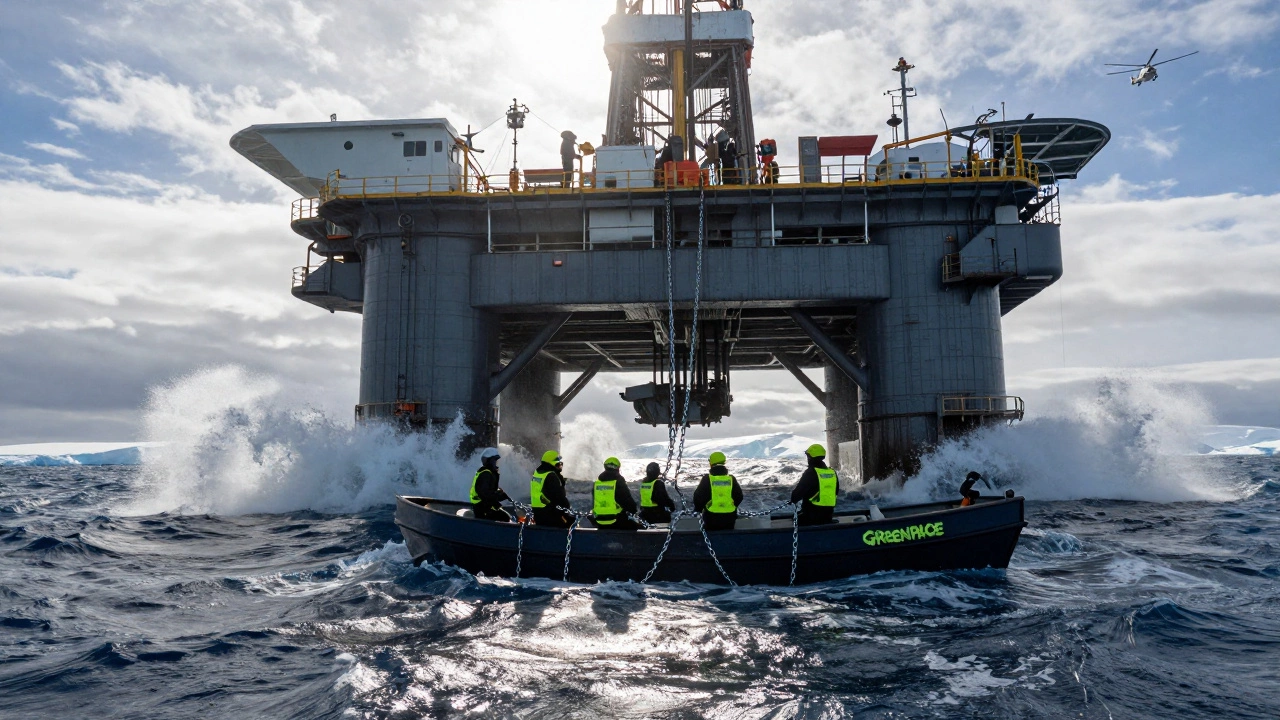
What Is an Example of an Environmental Group? Real Organizations Making a Difference
Real examples of environmental groups like Greenpeace, Sierra Club, WWF, 350.org, and Audubon - and how each one fights for the planet in different ways. Learn what they do, how they work, and how you can help.
DetailRelated Posts