Car Sleeping Safety & Risk Calculator
Enter your current or planned sleeping conditions to determine your risk level for Carbon Monoxide poisoning, physical discomfort, and legal issues.
Results will appear here after calculation.
Safety Checklist
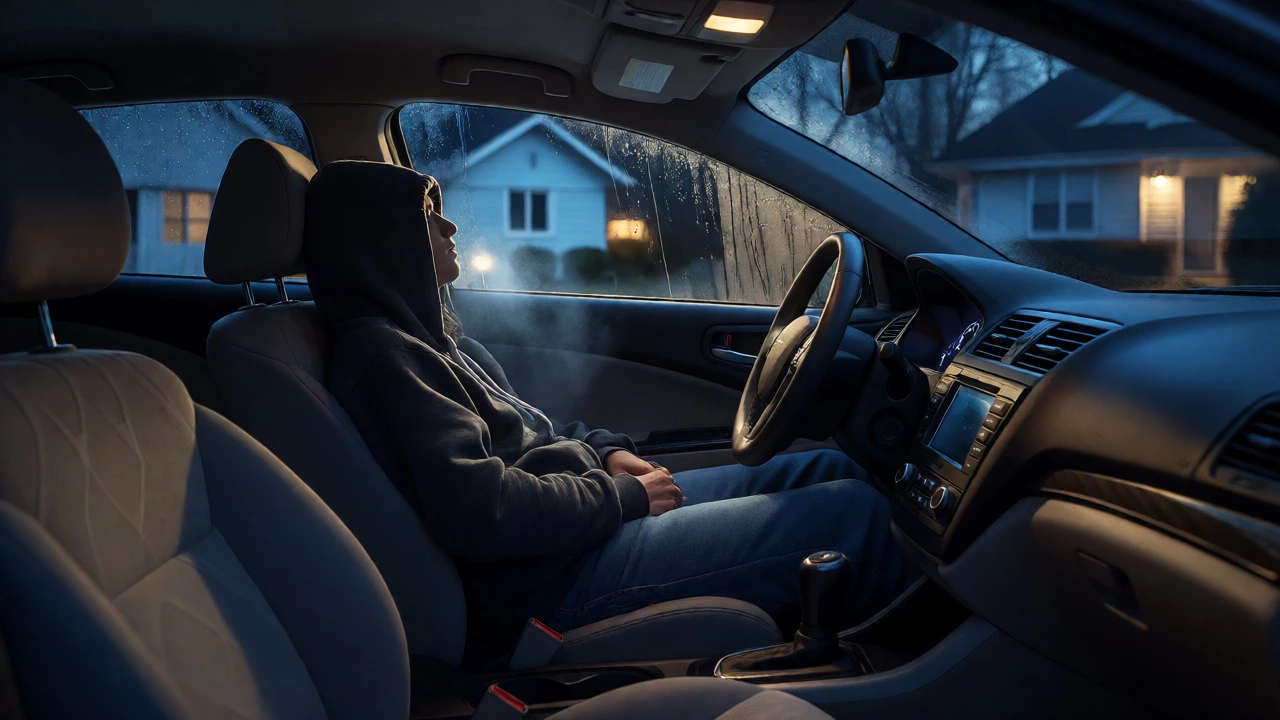
You’ve had a long day. Maybe you missed the last bus, maybe you’re saving money on a hotel, or maybe life just got complicated and your car became your bedroom for the night. You pull over, recline the seat, and close your eyes. But then that nagging thought hits: is it bad to sleep in your car?
The short answer is: it can be, but not always. The danger isn’t usually the mattress (or lack thereof); it’s what happens while you’re unconscious. From suffocation risks to legal fines, the stakes are higher than most people realize. Let’s break down exactly what goes wrong when you sleep with the engine running, how to do it safely if you have no choice, and what the law actually says about it.
The Silent Killer: Carbon Monoxide Poisoning
This is the big one. If you sleep in your car with the engine off, you’re mostly safe from exhaust fumes. But if you run the engine to keep warm or cool, you introduce a serious risk. Modern cars are sealed tight, which sounds nice until you consider airflow. If your exhaust system has a small leak-even one you can’t smell-carbon monoxide (CO) can seep into the cabin.
Carbon Monoxide is a colorless, odorless gas produced by burning fuel. Because you can’t see or smell it, you won’t wake up coughing. You might just feel dizzy, nauseous, or overly tired. By the time you realize something is wrong, it could be too late. This is why experts strongly advise against sleeping with the engine running unless absolutely necessary, and even then, windows must be cracked open for ventilation.
Here’s the scary part: CO poisoning symptoms mimic flu-like feelings or simple exhaustion. If you wake up with a headache, confusion, or weakness after a night in the car, get out immediately and get fresh air. Don’t ignore it.
Health Hazards Beyond Exhaust Fumes
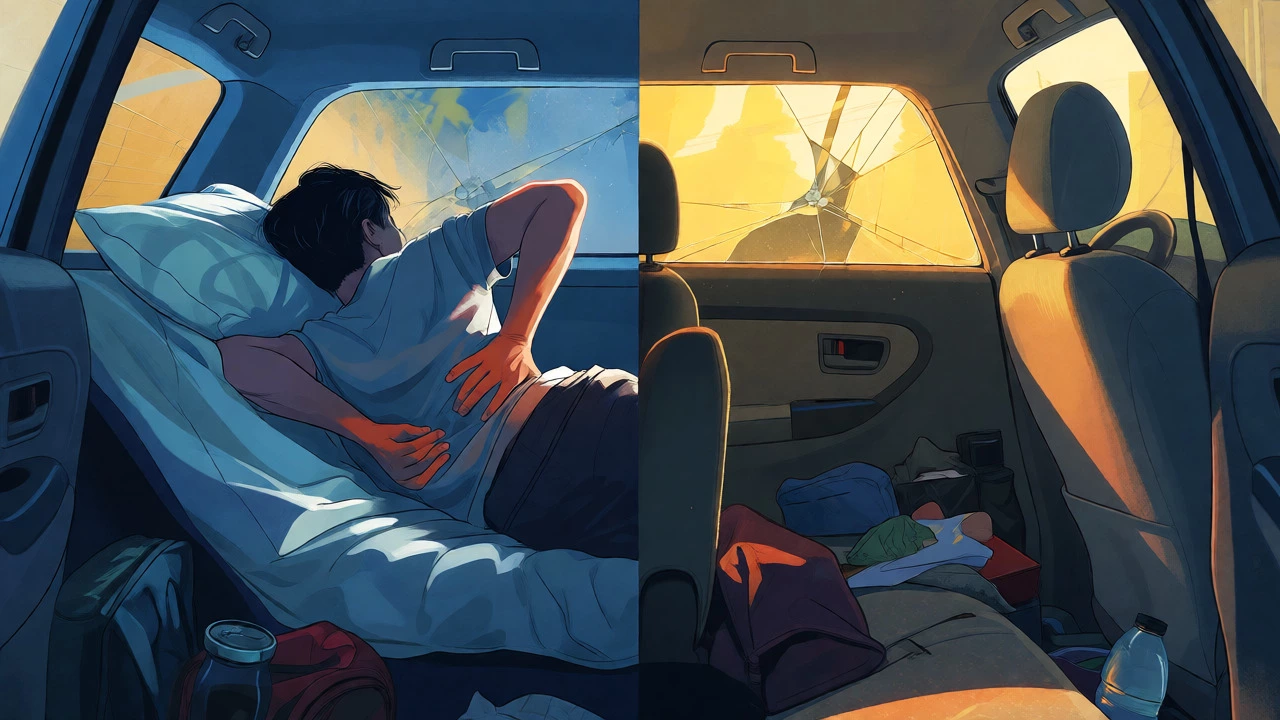
Even without the engine running, sleeping in a car takes a toll on your body. Think about the space. A standard sedan offers less room than a prison cell. You’re curled up, twisted, or lying flat on hard surfaces. Over several nights, this leads to significant musculoskeletal issues.
- Back and Neck Pain: Without proper lumbar support, your spine curves unnaturally. Morning stiffness becomes chronic pain.
- Poor Sleep Quality: Cars aren’t insulated like houses. Temperature swings disrupt REM sleep. You wake up groggy, affecting your focus and mood.
- Hygiene and Skin Issues: Limited access to showers means sweat and bacteria build up. This can lead to acne, fungal infections, or general discomfort that impacts mental well-being.
If you’re doing this occasionally, you’ll recover. If you’re living in your car due to housing instability, these physical stresses accumulate rapidly. It’s not just about comfort; it’s about maintaining basic health while navigating difficult circumstances.
Legal Realities: Where Can You Actually Park?
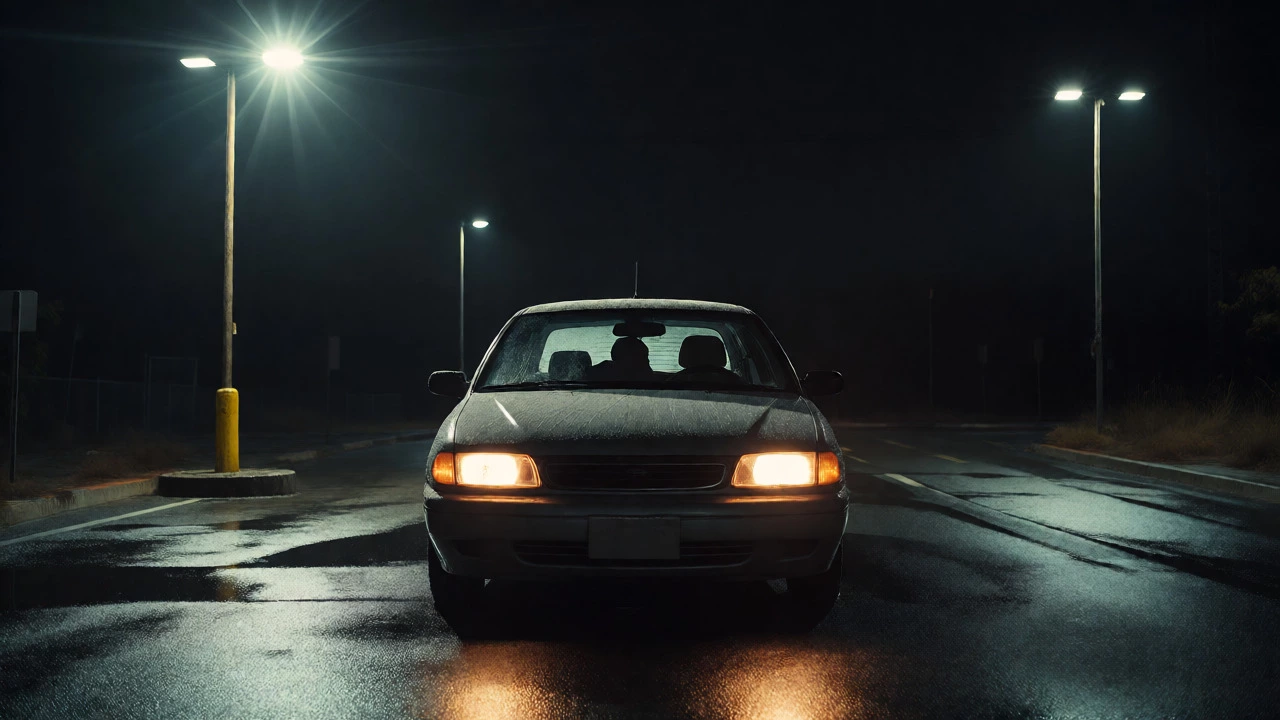
This varies wildly depending on where you are. In New Zealand, for example, rules differ between council reserves, private property, and public roads. Generally, sleeping in your parked car on a public street is often tolerated if you aren’t blocking traffic or causing a nuisance. However, many local councils have bylaws prohibiting "camping" in vehicles in specific zones.
| Location Type | Typical Legality | Risk Level | Key Consideration |
|---|---|---|---|
| Public Street | Often Allowed (if parked legally) | Low-Medium | Check local parking signs; avoid residential quiet hours. |
| Rest Stops / Motorway | Usually Allowed | Medium | Stay visible; lock doors; limit stay to 1-2 nights. |
| Private Property | Requires Permission | High | Trespassing laws apply; ask owners explicitly. |
| National Parks | Strictly Regulated | High | Must use designated campsites; fines for unauthorized camping. |
In Wellington, where I live, freedom camping regulations are strict in urban areas. While you can park overnight in some spots, setting up chairs and cooking outside turns "parking" into "camping," which often triggers fines. Always check the specific signage at your chosen spot. Ignorance of the law rarely excuses the fine.
Safety Concerns: Vulnerability and Security
Your car is metal and glass, not concrete and steel. It’s easier to break into, and visibility works both ways. People can see you, which deters some thieves but also makes you an easy target for opportunistic crime. If you’re sleeping rough, vulnerability increases.
Lock your doors every single time. Keep valuables out of sight-not just in the trunk, but under seats or in bags. Avoid isolated areas; choose well-lit places with other vehicles around, like truck stops or busy petrol stations. There’s safety in numbers. Also, consider your personal safety regarding harassment. Women and LGBTQ+ individuals often face higher risks of unwanted attention or assault when sleeping in vehicles alone. Trust your instincts. If a spot feels off, move.
Practical Tips for Safer Car Sleeping
If you have no choice but to sleep in your car, you can mitigate the risks. Here is a checklist based on advice from outdoor enthusiasts and social workers who assist people experiencing homelessness:
- Ventilation is Key: Crack two opposite windows slightly (about an inch). This creates cross-flow air circulation, reducing condensation and CO buildup.
- Block Light and Heat: Use reflective sunshades on all windows. This keeps heat in during winter and blocks prying eyes plus morning sun.
- Insulate Properly: A thick foam pad or air mattress is essential. The ground pulls heat away from your body faster than air does. Dress in layers, but avoid heavy cotton which holds moisture.
- Secure Your Space: Use a steering wheel lock or gear shift lock as a visual deterrent. Keep keys within reach but hidden.
- Manage Waste: Have a plan for trash and human waste. Leaving rubbish behind draws negative attention and fines.
Remember, comfort matters for mental health. Small upgrades-like a good pillow or earplugs-can make a huge difference in how rested you feel. Being exhausted makes coping with stress much harder.
When to Seek Help
Sleeping in your car should ideally be temporary. If you find yourself doing it regularly, consider reaching out to local support services. Organizations like Emergency Housing or local community trusts often provide resources, hot meals, or case management. They can help navigate options for transitional housing or emergency accommodation. You don’t have to white-knuckle it alone. Asking for help isn’t failure; it’s strategy.
Can I die from sleeping in my car with the windows closed?
It is unlikely to die from oxygen depletion alone in a modern car with the engine off, as there is enough air inside to last through the night. However, if the engine is running with windows closed, carbon monoxide poisoning is a fatal risk. Even with the engine off, poor ventilation can lead to excessive condensation and mold growth, which affects respiratory health over time.
Is it illegal to sleep in your car in New Zealand?
There is no single national law banning it. Instead, local councils enforce bylaws regarding "freedom camping." In cities like Wellington, sleeping in a vehicle on the roadside is often permitted if you are just resting, but setting up camp (chairs, tables) may incur fines. Always check local signage.
How cold is too cold to sleep in a car?
Cars lose heat quickly once the engine stops. Temperatures inside can drop to match the outside within an hour. Below 5°C (41°F), you need high-quality insulation, including a rated sleeping bag and thermal mats. Hypothermia is a real risk if you are wet or underdressed.
Does sleeping in a car void insurance?
Generally, no. Standard comprehensive auto insurance covers theft and damage regardless of whether you slept in the car. However, if you modify the car significantly (e.g., adding permanent beds or electrical systems) without declaring it, claims related to those modifications might be disputed.
What is the biggest health risk of living in a car?
Beyond immediate physical injuries, the biggest long-term risk is chronic stress and mental health decline. Lack of privacy, constant vigilance, and poor sleep quality contribute to anxiety and depression. Hygiene-related infections are also common due to limited shower access.