Healthy Environment Selector
Explore the seven pillars of a thriving environment. Click on each card to reveal key characteristics and real-world examples.
Natural Ecosystem
Self-regulating systems with native species.
Urban Green Space
Connected corridors reducing heat islands.
Sustainable Community
Strong social ties and shared resources.
Regenerative Workplace
Biophilic design and employee autonomy.
Circular Economy Zone
Waste as resource, zero landfill focus.
Educational Hub
Outdoor learning and nature connection.
Key Characteristics
Real-World Example
You might think a "healthy environment" just means clean air and no plastic in the ocean. But if you look closer at how we live, work, and play, it’s way more complex than that. It’s about spaces that actually help your body and mind function better. When we talk about healthy environments, we mean physical, social, and ecological systems that support human well-being and biodiversity simultaneously. This isn’t just theory; it’s the core mission of many modern environmental groups working on everything from local parks to global policy.
Why does this matter to you? Because where you spend your time dictates your stress levels, your exposure to toxins, and even your sense of community. If you’re looking for places that feel good to be in, or you want to know what makes a space truly sustainable, understanding these seven types of healthy environments gives you a roadmap. We’re not talking about utopian fantasies here. These are real, achievable models being implemented in cities like Wellington, New Zealand, and around the world right now.
The Natural Ecosystem: More Than Just Trees
The most obvious type is the natural ecosystem, but let’s get specific. A healthy natural environment isn’t just a patch of grass. It’s a functioning system where water cycles properly, soil remains fertile, and native species thrive without invasive weeds choking them out. Think of the difference between a manicured suburban lawn and a restored wetland. The lawn needs constant watering and chemicals. The wetland filters rainwater, provides habitat for birds, and cools the surrounding area naturally.
In New Zealand, organizations like Forest & Bird focus heavily on this aspect. They understand that protecting native bush isn’t just about saving kiwis; it’s about maintaining the ecological services that keep our water clean and our climate stable. When an environment is healthy, it self-regulates. You don’t need to spray pesticides because the predators are there. You don’t need artificial irrigation because the root systems hold moisture. This resilience is the hallmark of true health in nature.
The Urban Green Space: City Lungs
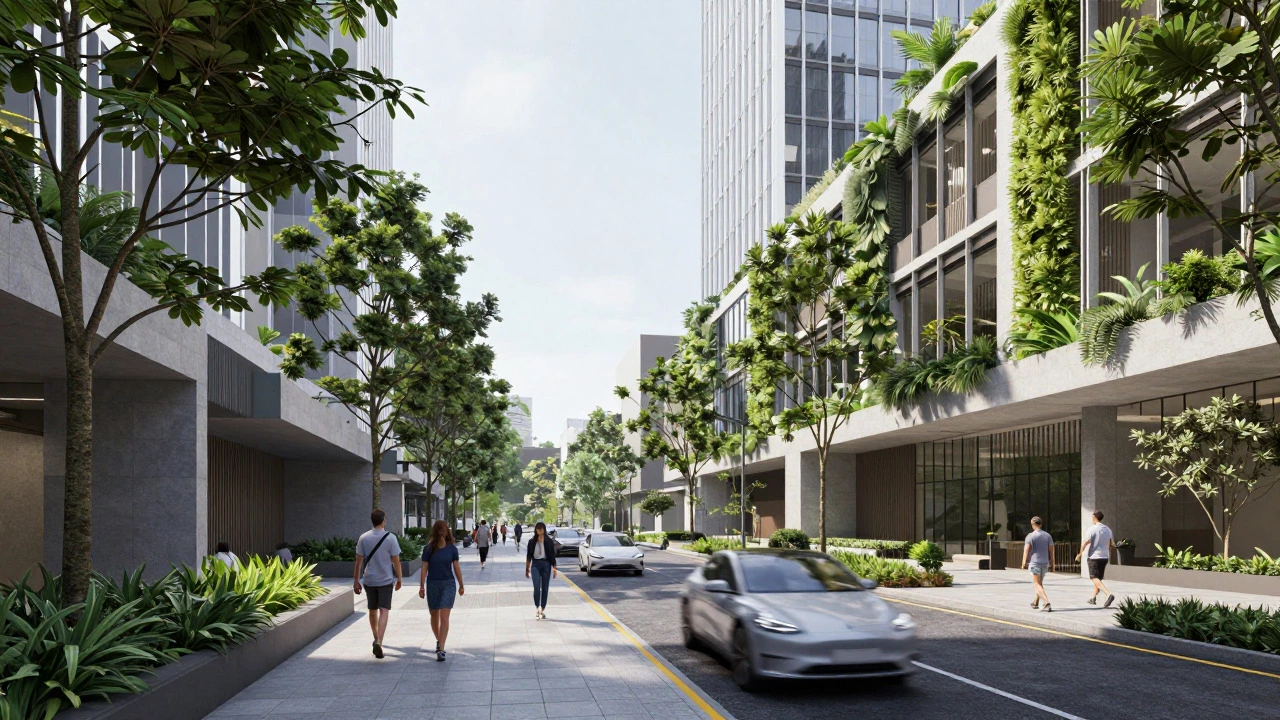
Cities often get a bad rap for being concrete jungles, but they can be surprisingly healthy if designed with intent. An urban green space goes beyond a single park bench. It involves connected corridors of trees, pocket parks, and green roofs that lower the urban heat island effect. Studies consistently show that access to greenery reduces cortisol levels-the stress hormone-in city dwellers.
Take Singapore, for example. They’ve integrated vertical gardens into skyscrapers, turning grey buildings into breathing entities. In Wellington, we see this in projects that aim to connect fragmented habitats across the city. A healthy urban environment prioritizes pedestrian access over car dominance. It ensures that within a ten-minute walk, every resident has access to safe, inviting nature. This accessibility is crucial for public health, reducing rates of heart disease and anxiety simply by encouraging people to step outside.
The Sustainable Community: Social Health Matters
Here’s where things get interesting. A place can have pristine air but still be unhealthy if its social fabric is torn. A sustainable community is defined by strong social ties, equity, and shared resources. It’s an environment where neighbors know each other, where there’s low crime, and where everyone has access to basic needs like food and housing.
Think about cohousing developments or intentional communities. These aren’t just communes; they’re carefully planned neighborhoods designed to foster interaction. Shared kitchens, communal gardens, and decision-making processes that include all residents create a sense of belonging. Environmental groups increasingly recognize that social isolation is a health crisis. By designing spaces that force positive social interaction-like benches facing each other rather than away-they build healthier minds alongside healthier bodies.
The Regenerative Workplace: Where Work Meets Well-being
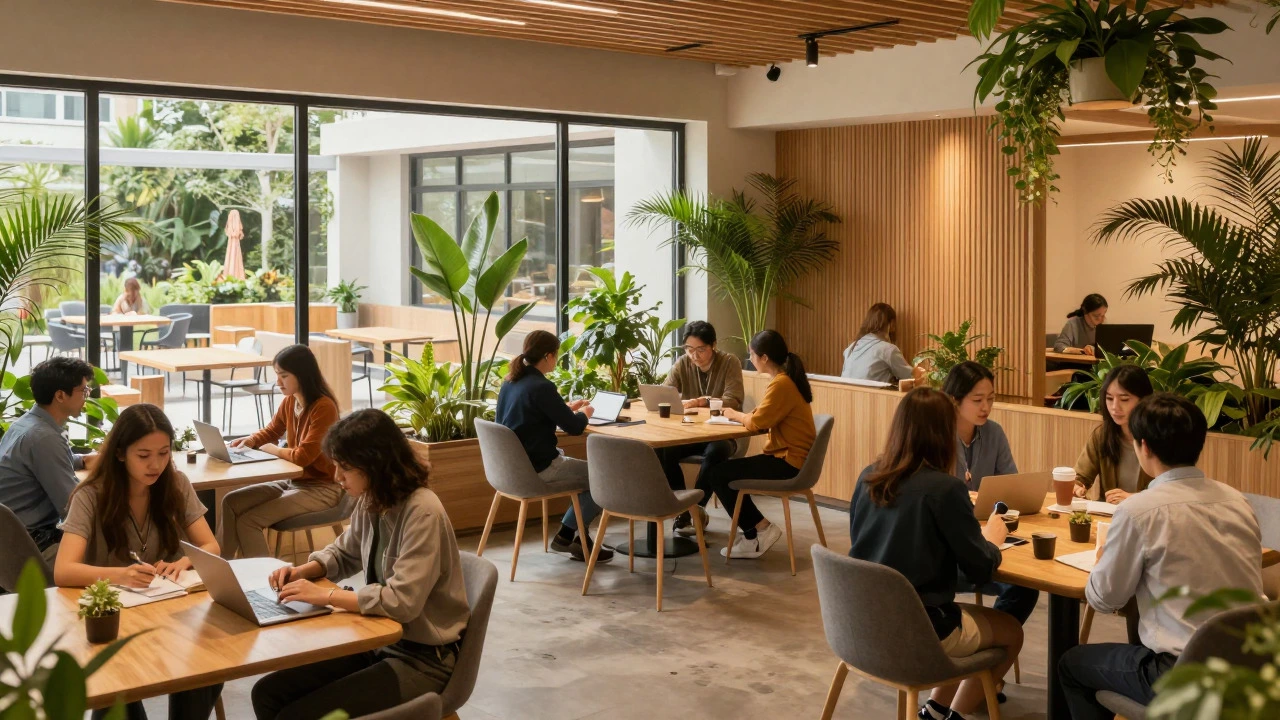
We spend a third of our lives at work, so why do so many offices feel toxic? A healthy workplace environment combines ergonomic design with biophilic principles-bringing nature indoors. This means proper lighting, ventilation, and actual plants, not just pictures of them. But it also includes the culture. Is the workload manageable? Do employees have autonomy?
Companies adopting regenerative practices report higher retention and productivity. For instance, tech hubs in California and startups in Europe are experimenting with four-day workweeks and outdoor meeting spaces. The logic is simple: when workers aren’t burning out, they make better decisions. A healthy work environment respects circadian rhythms, offering quiet zones for deep focus and collaborative spaces for brainstorming. It treats the employee as a whole person, not just a unit of production.
The Circular Economy Zone: Waste as Resource
A linear economy takes, makes, wastes. A circular economy recycles, reuses, and regenerates. A healthy environment in this context is one where waste doesn’t exist because materials are kept in use. Imagine a neighborhood where coffee grounds become compost for local farms, which then supply produce to local cafes. That loop closes the gap between consumption and disposal.
This concept is gaining traction in places like Amsterdam and Copenhagen. Local councils and environmental groups push for infrastructure that supports this shift: repair cafes, tool libraries, and bulk-buy stores. When you remove the friction of recycling and reuse, you change behavior. People stop seeing items as disposable. This reduces landfill mass and lowers carbon emissions associated with manufacturing new goods. It’s a tangible way to measure environmental health: less waste, more resource efficiency.
| Feature | Traditional Model | Healthy Environment Model |
|---|---|---|
| Resource Use | Linear (Take-Make-Dispose) | Circular (Reuse-Regenerate) |
| Social Interaction | Isolated / Private | Connected / Communal |
| Nature Access | Distant / Protected | Integrated / Daily Contact |
| Waste Management | Landfill Focus | Zero-Waste Design |
| Health Impact | High Stress / Pollution | Low Stress / Clean Air |
The Educational Hub: Learning from Nature
Schools and learning centers shape future generations’ relationship with the planet. A healthy educational environment integrates outdoor learning into the curriculum. It’s not just biology class in a lab; it’s math taught using tree measurements and history explored through landscape changes. Children who learn in natural settings show improved attention spans and creativity.
Forest schools, popular in Scandinavia and growing globally, exemplify this. They allow kids to climb trees, build fires, and explore mud pits. This unstructured play builds resilience and problem-solving skills. Environmental groups often partner with schools to create school gardens or native planting projects. These initiatives teach stewardship early. When a child plants a tree and watches it grow, they develop a lifelong connection to their local ecosystem. That emotional bond is the foundation of long-term environmental health.
In our hyper-connected world, digital noise is a pollutant. A healthy environment today must account for mental hygiene. This involves creating spaces where technology is optional or absent. Libraries, certain parks, and designated quiet zones in cities offer refuge from constant notifications.
This isn’t about rejecting technology; it’s about balance. Research suggests that excessive screen time fragments attention and increases anxiety. Communities that promote digital detoxes-like phone-free dining areas or no-wifi hiking trails-help residents reconnect with themselves and their surroundings. Environmental advocacy is expanding to include digital wellness, recognizing that a cluttered mind cannot care for a cluttered planet. Protecting our attention span is part of protecting our environment.
How to Identify and Support Healthy Environments
So, how do you spot these places? Look for signs of integration. Does the building blend with the landscape? Do people linger in public spaces? Is there evidence of maintenance and care? Supporting these environments starts locally. Join a community garden, advocate for bike lanes, or support businesses that prioritize sustainability.
Remember, health is systemic. You can’t fix one piece without affecting the others. If you improve air quality but ignore social isolation, you haven’t solved the problem. True environmental health requires a holistic approach. As we move forward in 2026, the conversation is shifting from "saving the planet" to "designing thriving human habitats." That’s a much more inviting prospect, isn’t it?
What is the primary goal of healthy environments?
The primary goal is to create spaces that optimize human physical and mental well-being while sustaining ecological balance. It aims to reduce stress, pollution, and social isolation while promoting biodiversity and resource efficiency.
How do environmental groups contribute to healthy environments?
They advocate for policy changes, restore ecosystems, educate the public, and create community programs. Their work bridges the gap between individual actions and systemic change, ensuring that development projects prioritize health and sustainability.
Can urban areas be considered healthy environments?
Yes, if they are designed with intention. Cities can be healthy by integrating green spaces, reducing car dependency, providing equitable access to resources, and fostering strong community connections. Density can actually enhance sustainability if managed correctly.
What role does social interaction play in environmental health?
Social interaction is critical. Strong community ties reduce stress and increase collective efficacy, meaning neighbors are more likely to collaborate on local improvements. Isolation is linked to poorer health outcomes, so social design is a key component of environmental health.
How can individuals support healthy environments locally?
Individuals can join local conservation groups, participate in community gardening, choose sustainable transport options, and support businesses with eco-friendly practices. Small daily choices accumulate to drive demand for healthier living standards.