Charity Trust & Safety Checker
Evaluation Criteria
Toggle switches if these issues are present (Red Flags)Risk Assessment
Ready
Enter details to analyze
Recommendation:
You hand over your credit card details with a warm feeling in your chest. You want to help the underdog, feed the hungry, or save the whales. But what if that money vanishes into administrative overhead, fancy gala dinners, or worse, straight into someone's pocket? It’s a nightmare scenario for donors and volunteers alike. The term "charity rip-off" usually refers to organizations that solicit donations aggressively but deliver little to no social impact, or those that operate as scams entirely.
In 2026, the landscape of philanthropy is more complex than ever. With digital fundraising, peer-to-peer campaigns, and AI-generated pleas, it’s harder than ever to tell who is genuine and who is just looking for a quick buck. As someone living in Wellington, I’ve seen local community groups thrive on trust, but I’ve also seen international chains drain resources without moving the needle. So, how do you protect your wallet and your heart?
The Anatomy of a Problematic Charity
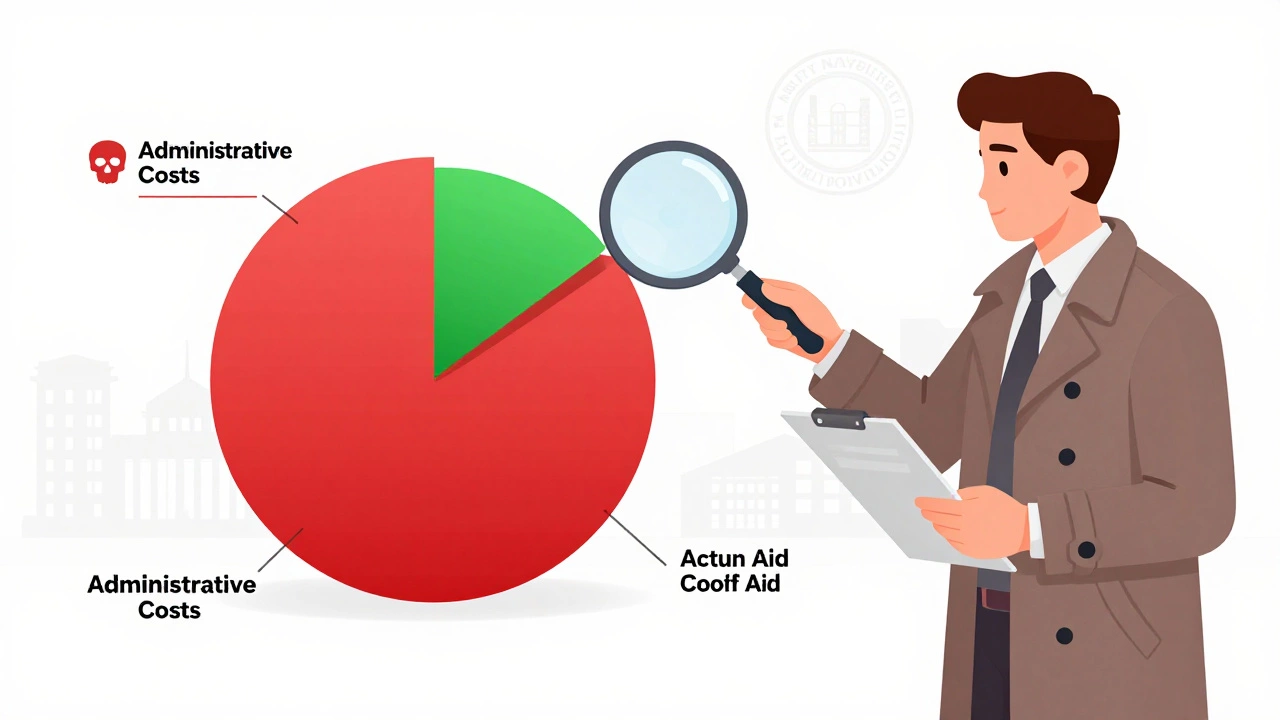
Before we look at specific red flags, let’s define what makes a charity a "rip-off." It’s rarely a black-and-white issue where a group does absolutely nothing. More often, it’s about efficiency ratios, which are metrics that measure how much of a donation goes directly to programs versus administrative costs. While there’s no magic number (some argue that high admin costs mean better management), a consistent pattern of spending less than 50% on actual programs is a major warning sign.
Another form of rip-off is the telemarketing mill, which is an organization that spends more on calling potential donors than on its charitable mission. These groups often use high-pressure tactics, guilt trips, and vague promises. They might claim they are helping "children in need" without specifying which children, in which country, or through what mechanism. If the cost of acquiring a donor exceeds the value of the donation, the model is fundamentally broken.
- Vague Mission Statements: Look for specifics. Does the charity say "we fight cancer" or "we fund research for pediatric leukemia at three specific hospitals"?
- High Pressure Tactics: Legitimate charities don’t rush you. They provide information and let you decide.
- Lack of Transparency: If you can’t find their annual report or financial statements online within five minutes, be skeptical.
Red Flags That Scream "Scam"
Sometimes, it’s not just inefficiency; it’s outright fraud. In New Zealand, the Charities Commission maintains a register of all registered charities. If an organization asks for money but isn’t on this register, stop immediately. This is the single most effective check you can perform. Outside of NZ, similar registries exist, such as the IRS Tax Exempt Organization Search in the US or the Charity Commission for England and Wales.
Watch out for these specific behaviors that indicate a scam:
- Cash-Only Requests: No reputable charity will ask you to wire money, send gift cards, or pay in cash via courier. Always use traceable methods like credit cards or bank transfers.
- Urgency Without Context: "Donate now or disaster strikes!" is a classic manipulation tactic. Real emergencies have detailed response plans and partnerships with established aid agencies.
- Generic Email Addresses: If the contact email is a Gmail or Yahoo address instead of a domain-specific one (e.g., [email protected]), it’s a huge red flag.
- Misleading Names: Scammers often use names that sound like well-known organizations. For example, "The American Cancer Society" is legitimate, but "The American Cancer Society Foundation" might be a completely different, unrelated entity.
Tools to Verify Before You Give
You don’t have to take a charity’s word for it. There are independent watchdogs that analyze financial data and governance practices. In the US, organizations like Charity Navigator, which is a non-profit evaluator that rates charities based on financial health, accountability, and transparency and GuideStar, which is a platform that provides access to nonprofit data and helps donors make informed decisions are invaluable. They break down exactly where your dollar goes.
In New Zealand, you can check the Charities Register, which is the official public database of all registered charities in New Zealand maintained by the Charities Service. You can see their latest annual return, including income, expenditure, and board members. If a charity hasn’t filed its returns, it’s likely inactive or non-compliant.
| Tool | Region | Key Feature | Cost |
|---|---|---|---|
| Charity Navigator | USA | Star ratings based on financials | Free |
| Charities Register | New Zealand | Official legal status and filings | Free |
| GiveWell | Global | Evidence-based effectiveness analysis | Free |
| BBB Wise Giving Alliance | USA/Canada | Standards for charity accountability | Free |
The Volunteer Trap: When Time Is Wasted
The title of this article mentions volunteer opportunities, and for good reason. Sometimes, the "rip-off" isn’t financial-it’s temporal. You might join a group only to find that your skills are being exploited for free labor that could be paid work, or that the organization has no clear strategy.
Ask yourself these questions before committing your time:
- Is there a clear job description? Vague roles like "general support" often mean you’ll be doing menial tasks with no training.
- Does the organization invest in its volunteers? Do they offer training, insurance, and supervision?
- Can you see the impact of your work? If you volunteer for six months and can’t point to a specific outcome, something is wrong.
I once volunteered with a local environmental group that spent more time organizing photo ops for their Instagram than planting trees. It felt hollow. True volunteering should feel empowering, not exploitative. If you’re constantly asked to raise funds rather than execute the mission, you’re essentially working as unpaid marketing staff.

How to Support Effective Charities
Avoiding rip-offs is half the battle. The other half is finding organizations that actually work. Evidence-based philanthropy is growing in popularity. Groups like GiveWell, which is a research institute that identifies highly effective global health and development charities use rigorous data to recommend charities where every dollar donated saves lives or improves well-being significantly.
Consider supporting smaller, local charities. They often have lower overhead because they rely on community networks rather than expensive ad campaigns. In Wellington, many grassroots groups tackle issues like homelessness and mental health with remarkable efficiency because they know the community intimately.
If you’re unsure, start small. Donate $10. See how they respond. Do they send a receipt? Do they thank you personally? Do they update you on how that specific donation was used? Small tests can reveal a lot about an organization’s culture and competence.
What to Do If You Suspect Fraud
If you believe you’ve been scammed, act quickly. First, contact your bank or credit card company to dispute the charge. Then, report the organization to the relevant authorities. In New Zealand, you can file a complaint with the Charities Service. In the US, report to the Federal Trade Commission (FTC) and your state attorney general.
Sharing your experience on social media or review platforms can also protect others. However, stick to the facts. Avoid emotional rants; focus on the lack of transparency, the pressure tactics, or the failure to deliver on promises. Your voice can help shut down bad actors.
How can I tell if a charity is legitimate?
Check if the charity is registered with the appropriate government body, such as the Charities Register in New Zealand or the IRS in the US. Look for transparent financial reports, a clear mission statement, and contact information. Use independent evaluators like Charity Navigator or GiveWell to verify their effectiveness and reputation.
What percentage of donations should go to programs?
While there’s no strict rule, most experts suggest that at least 70-80% of donations should go directly to program services. Administrative and fundraising costs should ideally be below 30%. However, context matters-newer charities may have higher startup costs, so look for trends over time rather than a single year’s data.
Are telemarketing charities always scams?
Not always, but they are often inefficient. Many large charities use third-party telemarketers who take a significant cut of donations. If you prefer direct impact, consider donating online directly to the charity’s website to avoid these middlemen. Be wary of high-pressure calls that demand immediate payment.
How do I report a charity scam?
Contact your bank to reverse any charges. Then, report the scam to local authorities. In New Zealand, use the Charities Service. In the US, report to the FTC and your state attorney general. Provide evidence such as emails, call recordings, and transaction details to help investigators.
Why do some charities have high administrative costs?
High administrative costs can sometimes indicate professional management, which leads to better long-term outcomes. However, consistently high costs without corresponding impact are a red flag. Look for charities that explain their expenses clearly and demonstrate how investment in infrastructure improves their mission delivery.