After-School Club Compliance & Cost Estimator
Use this tool to determine if you meet basic safety ratios and to estimate the financial sustainability of your proposed group structure.
Group Details
Financial Model
Staffing Requirements
Required Adults: 0
Your Volunteers: 0
Weekly Financial Estimate
Total Weekly Hours: 0
Est. Weekly Revenue: $0
You’ve got the energy, you’ve got the space (maybe your living room or a local hall), and you’ve got a vision for a after-school club. But how do you actually make it happen? It’s not just about buying some craft supplies and hoping kids show up. Setting up a structured group for children aged 5-12 outside of school hours involves legal checks, safety protocols, and a bit of psychology to keep parents happy and kids engaged.
Whether you’re aiming for a homework help circle, a sports league, or a creative arts hub, the core mechanics are surprisingly similar. This guide breaks down the process into manageable steps, focusing on what actually works in real-world scenarios rather than theoretical ideals.
Define Your Niche and Target Age Range
The biggest mistake new organizers make is trying to be everything to everyone. "Kids" is too broad. A seven-year-old needs different supervision ratios and activities than an eleven-year-old. Be specific. Are you targeting primary schoolers who need a safe place to hang out until 6 PM? Or are you creating a specialized coding club for ages 8-10?
Your niche dictates your costs, your insurance needs, and your marketing message. For instance, a high-energy sports group requires liability coverage for physical injury, while a chess club might only need general public liability. Narrowing your focus helps you build a reputation quickly. Parents talk. If you run a fantastic LEGO engineering workshop, word spreads faster than if you offer "general childcare."
Navigate Legalities and Safety Compliance
This is the part most people dread, but it’s non-negotiable. You cannot skip this step. Depending on where you live, regulations vary significantly. In New Zealand, for example, any service providing care for more than six children for more than four hours a day falls under the Education (Pastoral Care of Tertiary and International Learners) Code of Practice or specific early childhood education regulations if they are younger. Even if you’re exempt from full licensing, you still have a duty of care.
Key compliance areas include:
- Police Vetting: Every adult working with children must undergo background checks. In NZ, this means getting vetted by the Ministry of Children. Do not assume a character reference is enough.
- Insurance: Public liability insurance is essential. If a child trips over a toy and breaks their arm, you need protection. Check if your home insurance covers business use; many policies exclude it.
- Ratios: Know the required staff-to-child ratios. Generally, for school-aged children, one supervisor per 10-15 children is a common standard, but check local laws.
- Safety Plan: Have a written plan for emergencies, including who calls whom, where the first aid kit is, and how to handle allergies.
Don’t guess. Visit your local council website or the Ministry of Education portal. Getting fined for non-compliance can bankrupt a small volunteer-run group before it even starts.
Secure a Venue That Works for Everyone
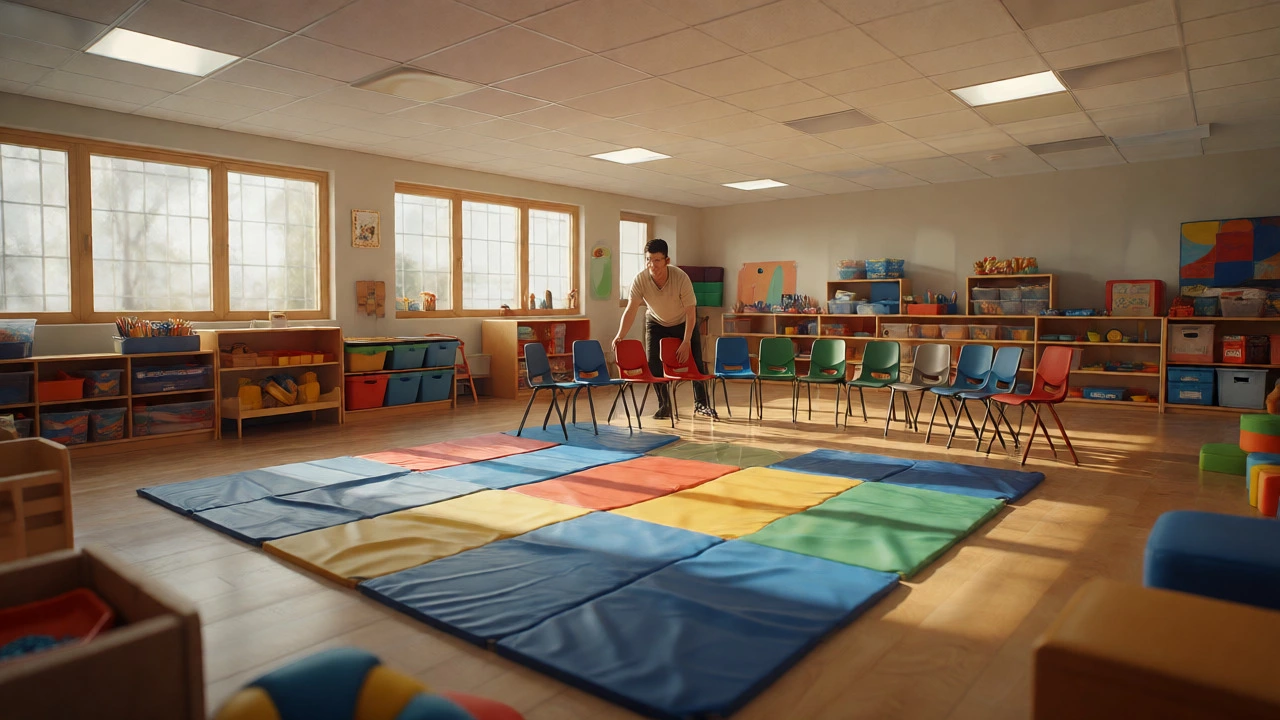
Your venue is more than just four walls. It’s the environment that shapes behavior. A cramped garage leads to conflicts; a large, echoing gymnasium can lead to chaos. Look for spaces that allow for both active play and quiet time. Libraries, church halls, and community centers often rent rooms cheaply during off-peak hours.
Consider accessibility. Can strollers get in? Is there a bathroom suitable for young children? Is the area safe for pickup and drop-off? Parents will judge your group based on these logistical details. A well-lit parking lot and clear signage go a long way in building trust.
If you’re running the group at your own home, you’ll need to conduct a risk assessment. Remove sharp edges, secure heavy furniture, and ensure toxic substances (like cleaning products) are locked away. You also need to consider noise complaints from neighbors. A little communication upfront-handing out flyers to nearby houses-can prevent headaches later.

Build a Sustainable Business Model
Are you charging fees, relying on grants, or operating as a charity? Each model has pros and cons.
| Model | Pros | Cons | Best For |
|---|---|---|---|
| Fee-for-Service | Self-sustaining, predictable income, professional perception. | May exclude low-income families, higher administrative burden. | Specialized skills clubs (e.g., music, coding). |
| Grant-Funded | Free for families, strong community impact narrative. | Time-consuming applications, reporting requirements, uncertain future funding. | Community outreach and social inclusion programs. |
| Hybrid/Sliding Scale | Inclusive, balances revenue with accessibility. | Complex administration, requires clear policy to avoid resentment. | Mixed-income neighborhoods. |
If you charge fees, be transparent. Break down exactly what the money pays for: snacks, materials, insurance, and facilitator stipends. Parents are more likely to pay if they see value. Offer a trial session so they can assess the fit without commitment.
Recruit Volunteers Who Stick Around
Volunteer burnout is the silent killer of community groups. People sign up with enthusiasm, then disappear when the initial novelty fades. To combat this, treat volunteers like professionals. Provide training, give them clear roles, and recognize their contributions.
Create a simple roster system. Don’t rely on memory or last-minute texts. Use a shared calendar app or a whiteboard. When someone commits to a Tuesday afternoon slot, hold them accountable gently but firmly. Also, mix experienced volunteers with newcomers. The veterans provide stability and mentorship, while the fresh faces bring new energy and ideas.
Remember, volunteers aren’t just free labor; they are ambassadors. Their attitude sets the tone for the entire group. Invest time in onboarding them properly. Show them the safety protocols, introduce them to the regulars, and explain the "why" behind your mission.

Engage Parents Without Overwhelming Them
Parents are your customers and your partners. They want to know their kids are safe, having fun, and learning something. Communication is key, but don’t spam them.
Set up a dedicated communication channel, such as a Facebook group or a WhatsApp broadcast list. Keep updates concise: dates, reminders, and photos of activities (with permission). Avoid lengthy emails unless necessary. During pickup times, take five minutes to chat with parents. Ask their child how the session went. These micro-interactions build immense trust.
Handle feedback constructively. If a parent complains, listen actively. Often, they just want to feel heard. Document issues and follow up. Transparency builds credibility. If a rule changes, explain why. "We’re switching to nut-free snacks because two children have severe allergies" is better than "No nuts allowed."
Design Activities That Actually Work
Not all crafts are created equal. A complex origami project might frustrate a tired eight-year-old after a long school day. Aim for low-prep, high-engagement activities. Structure is important, but leave room for free play.
A typical session might look like this:
- Welcome & Free Play (15 mins): Allows latecomers to arrive and kids to decompress.
- Group Activity (30-45 mins): Structured game, craft, or sport.
- Snack Time (15 mins): Social bonding and refueling.
- Cool Down/Cleanup (15 mins): Teaches responsibility and signals the end of the session.
Rotate activities weekly to keep things fresh. Involve the kids in choosing options. Give them agency. If they helped pick the movie for Friday’s chill-out session, they’ll be more invested in attending.
Launch and Iterate
Start small. Don’t open the doors to fifty kids on day one. Begin with a pilot group of ten. Test your systems, refine your routines, and gather feedback. Once you’re comfortable, expand gradually.
Track metrics that matter: attendance rates, volunteer retention, and parent satisfaction. If attendance drops mid-term, investigate why. Was the activity unpopular? Was the timing inconvenient? Adjust accordingly. Flexibility is your greatest asset.
Building a successful kids group takes patience and persistence. It’s messy, sometimes chaotic, and incredibly rewarding. By focusing on safety, clear communication, and genuine engagement, you create a space where children thrive and communities connect.
Do I need a license to run an after-school club?
It depends on your location and the number of children. In many places, if you care for fewer than six children for less than four hours a day, you may be exempt from formal licensing. However, you still have legal duties regarding health and safety. Always check with your local council or education authority.
How much should I charge for a kids group?
Fees typically range from $10 to $30 per hour depending on the level of structure and qualifications of staff. Factor in insurance, materials, snacks, and facility costs. Research local competitors to find a fair market rate that covers your expenses while remaining accessible to families.
What insurance do I need for a volunteer-run kids group?
Public Liability Insurance is crucial to cover injuries to children or visitors. If you employ staff or pay volunteers, you may also need Workers' Compensation or Accident Insurance. Check if your personal homeowner's policy excludes business activities.
How do I handle difficult parents?
Stay calm, listen actively, and stick to facts. Document interactions and refer back to your established policies. Most issues stem from miscommunication, so proactive updates and clear expectations usually prevent escalation. If problems persist, have a clear exit strategy for families who don't align with your group's values.
Can I run a kids group from my home?
Yes, many successful groups start in homes. Ensure you comply with zoning laws and HOA rules. Conduct a thorough risk assessment to childproof the space. Be mindful of noise levels and neighbor relations. Starting small allows you to test feasibility before committing to a commercial lease.