Community Outreach Event Planner
Event Details
Budget Estimate (NZD)
$0
Includes insurance buffer and basic supplies.
Recommended Timeline
Readiness Checklist
You’ve got the passion. You’ve got the idea. Maybe you want to clean up a local park, run a free health screening, or just get neighbors talking to each other again. But here’s the hard truth: most community outreach efforts fail not because of bad intentions, but because of poor logistics and unclear goals. They end up with three volunteers, no attendees, and a lot of wasted energy.
If you are in Wellington or anywhere else, organizing an event that people actually show up for requires more than just posting on Facebook. It needs structure. It needs a plan that respects your neighbors' time and resources. This guide walks you through exactly how to build a community outreach program from scratch, avoiding the common traps that turn good ideas into ghost towns.
Start With Why, Not What
Before you book a venue or design flyers, ask yourself one question: What problem am I trying to solve? Too many organizers start with "I want to hold a festival." That’s a solution looking for a problem. Instead, look at your neighborhood. Is there isolation among elderly residents? Are teenagers hanging out with nowhere to go? Is litter piling up in shared spaces?
Define your goal using the SMART framework (Specific, Measurable, Achievable, Relevant, Time-bound). For example, instead of "improve community spirit," try "connect 50 new residents with local services within three months." This clarity helps you pick the right activities. If your goal is connection, a potluck works better than a lecture. If it’s education, a workshop beats a party.
Here’s a quick reality check: You cannot fix everything at once. Pick one narrow focus. Trying to address housing, mental health, and recycling in one weekend usually results in confusion. Narrowing your scope makes your message clearer and your execution sharper.
Map Your Stakeholders and Partners
You don’t need to do this alone. In fact, if you try to, you’ll burn out before launch day. Identify who has a vested interest in your success. These are your stakeholders. They fall into three buckets:
- The Beneficiaries: The people you’re trying to help. Talk to them first. Don’t assume what they need. A survey at the local library or a chat at the dairy can reveal insights you’d never guess from your living room.
- The Enablers: Local businesses, council departments, schools, and churches. These groups often have resources-space, funding, or networks-that you lack. A local café might donate coffee for a morning event; the council might waive fees for a permit.
- The Influencers: Community leaders, HOA presidents, popular teachers, or long-time residents. Their endorsement acts as social proof. If Mrs. Higgins down the street says your event is worth attending, her neighbors will listen.
Approach these partners early. Be clear about what you need and what you offer in return. Visibility? Goodwill? Data? Remember, partnership is a two-way street. If you ask a business for sponsorship, tell them exactly how their brand will be seen.
Logistics: The Boring Stuff That Saves You
Once you have buy-in, move to logistics. This is where projects die. You need a timeline, a budget, and a location strategy.
Picking the Right Venue
Location isn’t just about space; it’s about accessibility. Can people walk there? Is there parking? Is it wheelchair accessible? In Wellington, consider weather contingency plans. An outdoor event without a backup indoor option is a gamble you shouldn’t take unless you’re prepared to cancel.
| Venue Type | Cost | Accessibility | Best For |
|---|---|---|---|
| Public Park | Low/Free | High (if flat) | Festivals, clean-ups |
| Community Hall | Medium | High | Workshops, meetings |
| School Gym | Variable | Medium | Large youth events |
| Café/Bar | Low (sponsorship) | Medium | Networking, casual talks |
Budgeting Realistically
Do not underestimate costs. Even "free" events cost money. You need insurance (check with your local council for public liability requirements), permits, printing, and refreshments. Create a line-item budget. Include a 10-15% buffer for unexpected expenses. If you’re short on cash, look for in-kind donations rather than asking for small cash amounts. People are more likely to give you pizza than $20.
Marketing Without Breaking the Bank
Forget expensive ads. Your best marketing tool is word-of-mouth amplified by digital channels. Start four weeks out. Here’s a simple cadence:
- Week 4: Announce the date and theme on social media and community boards. Use high-quality images. Tag local influencers.
- Week 3: Distribute physical flyers. Put them in libraries, laundromats, and shops. Physical presence matters in tight-knit communities.
- Week 2: Send reminders via email lists or WhatsApp groups. Highlight a specific benefit (e.g., "Free food included").
- Week 1: Final push. Post countdowns. Confirm RSVPs if applicable.
Make sure your messaging speaks to the audience’s self-interest. Why should they come? Will they meet neighbors? Learn a skill? Get free stuff? Be explicit.
Volunteer Management: Treat Them Like Staff
Your volunteers are your workforce. If you treat them poorly, they won’t show up next time. Define roles clearly. Don’t just say "help out." Say "You will manage the registration desk from 9 AM to 11 AM." Provide training, even if it’s just a 15-minute briefing.
Create a sign-up sheet with specific time slots. People are more likely to commit to a two-hour shift than an open-ended "all day." After the event, thank them publicly and privately. Send a photo recap. Recognition builds loyalty.
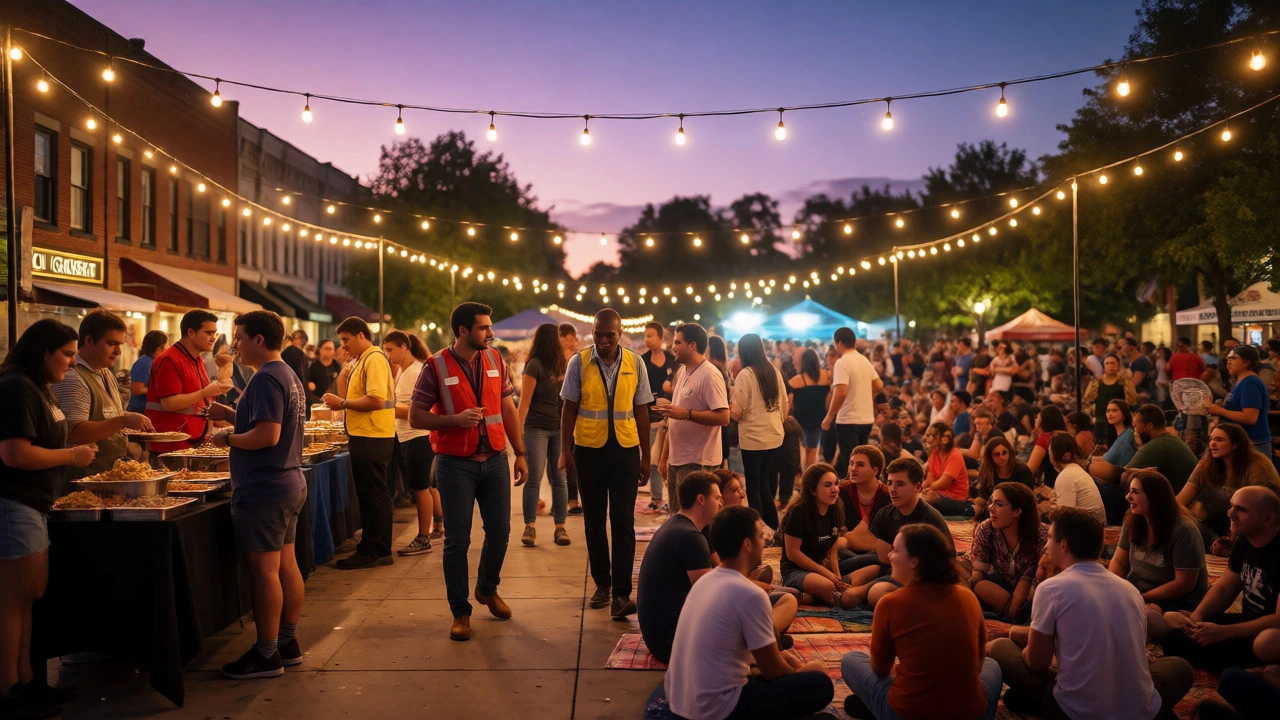
Execution Day: Stay Calm and Flexible
Things will go wrong. The microphone might fail. The caterer might be late. Have a designated "firefighter" volunteer whose only job is to handle problems so you can focus on hosting. Arrive early. Walk through the flow of the event. Check signage. Ensure bathrooms are clean and stocked.
Greet attendees personally. First impressions matter. If someone looks lost, help them. If conversation stalls, have ice-breaker questions ready. Keep the schedule loose enough to allow for natural interaction but structured enough to keep momentum.
Post-Event: The Feedback Loop
The event ends, but the work doesn’t. Within 48 hours, send a thank-you email to attendees and volunteers. Include a short survey (three questions max). Ask: What did you like? What didn’t work? Would you come back?
Analyze the data. Did you hit your attendance target? Was the budget accurate? Share these results with your partners. Showing tangible outcomes (e.g., "We connected 45 families") helps secure support for future initiatives. If you didn’t meet goals, diagnose why without blaming individuals. Was the timing bad? Was the topic irrelevant?
Keep the momentum going. Follow up with leads generated during the event. If someone expressed interest in volunteering, invite them to the next planning meeting. Community outreach is a marathon, not a sprint. Consistency builds trust over time.
How much does it cost to organize a small community outreach event?
Costs vary widely based on scale and location. A small neighborhood gathering in a public park might cost under $100 NZD for supplies and insurance. A larger event with catering and entertainment could range from $500 to $2,000+. Always budget for public liability insurance, which is often required by councils for public gatherings.
How far in advance should I plan a community event?
For small events, 4-6 weeks is usually sufficient. For larger events involving multiple partners, venues, or significant marketing, aim for 3-6 months. This allows time for securing permits, booking vendors, and building buzz through consistent communication.
What if nobody shows up to my community outreach event?
Don’t panic. Evaluate your marketing reach and timing. Did you promote in places your target audience actually visits? Was the date conflicting with another major local event? Use this as a learning opportunity. Survey those who did attend to understand barriers for others. Consider adjusting the format or time for the next iteration.
Do I need permission to hold an event in a public park?
Yes, typically. Most local councils require a permit for organized events in public spaces, especially if they involve structures, amplified sound, or large crowds. Contact your local council’s parks department early to check regulations and application deadlines.
How do I measure the success of community outreach?
Success depends on your initial goals. Quantitative metrics include attendance numbers, funds raised, or volunteers recruited. Qualitative measures include attendee feedback, new partnerships formed, or increased awareness of a cause. Combine both for a holistic view of impact.