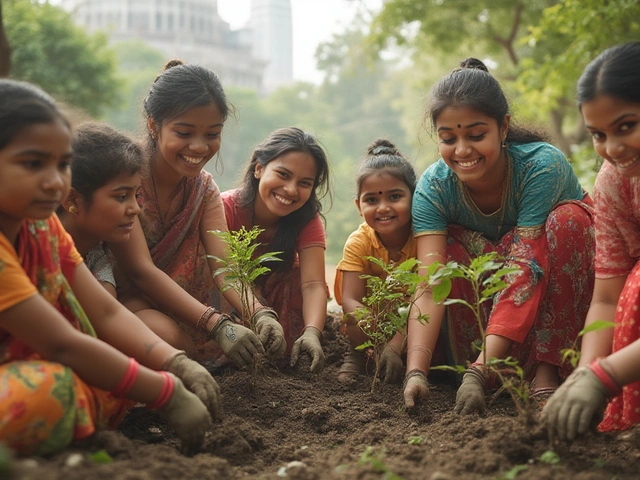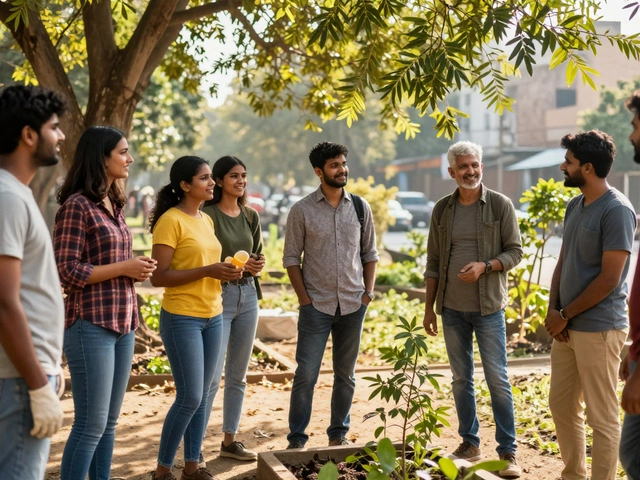
Community outreach isn’t just handing out flyers or showing up at a local fair. It’s the quiet, consistent work that connects people to resources, builds trust, and turns isolated individuals into active members of a neighborhood. If you’re wondering what outreach workers actually do day to day, it’s not glamorous-but it’s essential. And it’s not one-size-fits-all. The roles and responsibilities vary depending on the organization, the community, and the needs on the ground.
Listening Before Acting
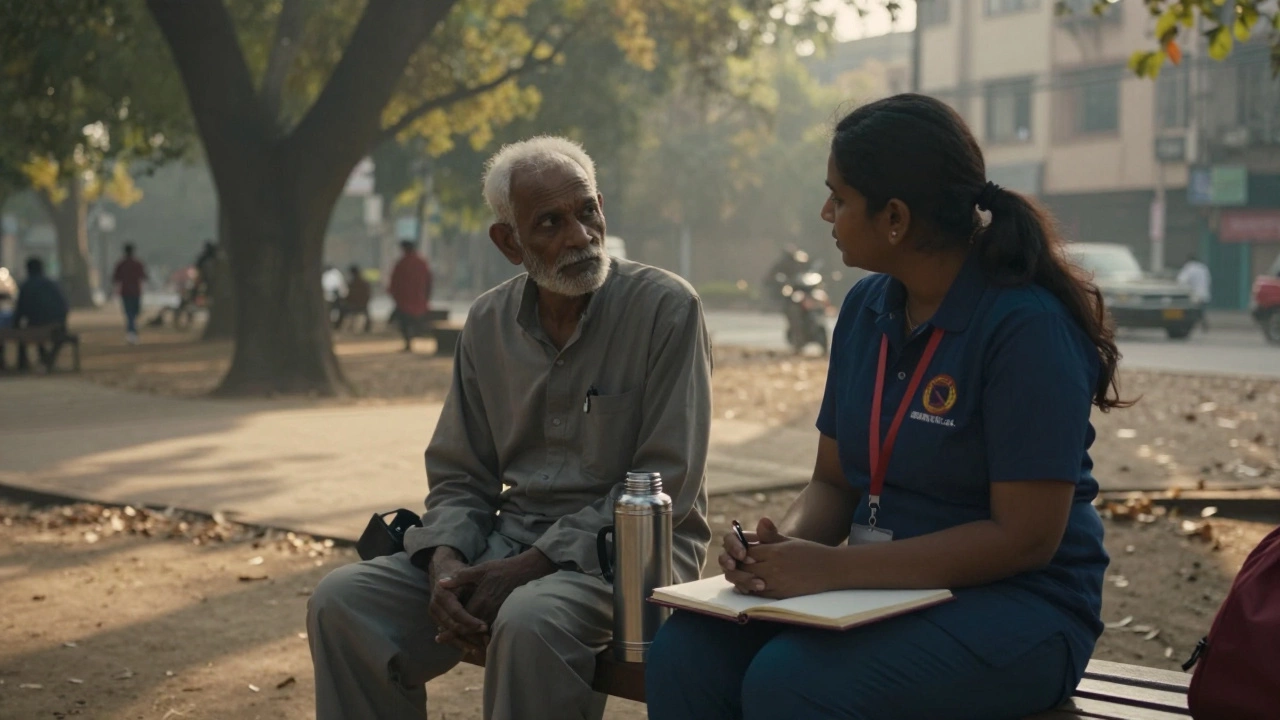
Too many outreach programs start with a solution and then look for a problem. That rarely works. Effective outreach begins with listening. Workers spend time in parks, at bus stops, in libraries, and even in doorways-not to hand out services, but to understand what people are already dealing with. In Wellington, outreach teams working with homeless populations found that many weren’t rejecting shelter because they didn’t want it, but because they’d been turned away before without their pets. That insight changed policy. Listening isn’t passive. It’s the first responsibility: to hear what’s not being said.
Building Trust Over Time
Trust doesn’t come from a brochure or a logo. It comes from showing up, week after week, rain or shine. Outreach workers often become the only consistent adult someone in crisis interacts with. They remember birthdays, ask about a sick sibling, or bring coffee when it’s freezing. In low-income neighborhoods, people have been burned by systems before-social services, police, even charities. Outreach workers earn trust by being predictable, honest, and non-judgmental. They don’t promise what they can’t deliver. They say, “I don’t know if this will help, but I’ll find out.” That honesty builds credibility faster than any official title.
Connecting People to Resources
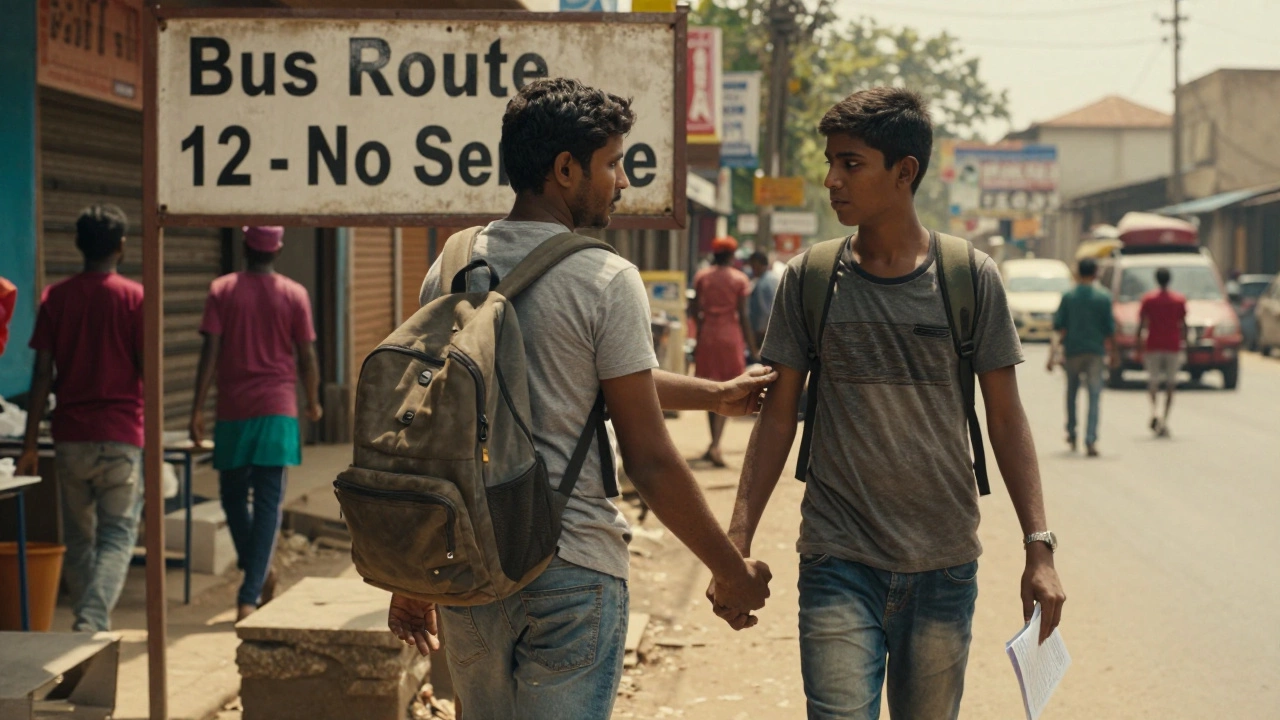
Knowing where to send someone is half the battle. Outreach workers act as navigators through a maze of services. They know which food bank has gluten-free options, which clinic offers free dental care on Tuesdays, or which housing authority has a waiting list that actually moves. They don’t just hand out numbers. They walk people to appointments, fill out forms with them, and follow up a week later to see if they got help. In rural areas, this might mean driving 40 kilometers to take someone to a specialist. In cities, it might mean helping someone apply for benefits on a phone with no data plan. The job isn’t to fix everything-it’s to make sure no one gets lost in the system.
Advocating for Change
Outreach workers often see the same problems over and over: lack of affordable housing, no public transport to job centers, mental health services with six-month wait times. They don’t just accept that. They collect stories-not to pity, but to prove patterns. They bring those stories to city councils, nonprofit boards, and funding agencies. One outreach team in Dunedin gathered 87 testimonies from people who couldn’t access mental health care because the nearest clinic was a two-hour bus ride away. That data led to a mobile mental health van being funded. Advocacy isn’t a side task. It’s a core responsibility: turning individual struggles into systemic solutions.
Training and Supporting Volunteers
Most outreach programs rely on volunteers. But volunteers can’t just show up and start helping. They need training on trauma-informed care, cultural sensitivity, boundary setting, and de-escalation. Outreach coordinators spend hours teaching volunteers how to respond when someone is in crisis, how to avoid making assumptions based on appearance, and how to recognize signs of abuse. They also provide ongoing support. A volunteer who’s been yelled at or threatened needs someone to talk to. Good outreach programs don’t burn out their volunteers-they prepare them, protect them, and keep them engaged.
Tracking Impact, Not Just Activity
It’s easy to count how many people you talked to, how many flyers you handed out, or how many events you hosted. But real outreach measures outcomes. Did someone get housed? Did a teenager enroll in school? Did a senior stop skipping meals? Outreach teams use simple tools: intake forms, follow-up calls, anonymous surveys. They track if services led to lasting change-not just temporary relief. One program in Christchurch started measuring how many people they helped stayed housed after six months. The result? They redesigned their housing support model and cut repeat homelessness by 40% in two years. Impact matters more than activity.
Working Across Boundaries
No single organization can solve poverty, addiction, or isolation alone. Outreach workers constantly bridge gaps between agencies. They coordinate with social workers, police, schools, churches, and even local businesses. A teenager dropping out of school might need tutoring, a mental health check, and a job interview. Outreach workers don’t wait for permission to connect these dots. They call the guidance counselor, text the youth worker, and walk the teen to the job center. They’re the glue holding fragmented systems together.
Being a Cultural Bridge
In diverse communities, language and cultural norms matter. An outreach worker in Auckland might need to understand that for some Pacific families, asking for help is seen as weakness. In Wellington, they might need to know that Māori elders often prefer to speak through a respected community member before engaging with outsiders. Outreach isn’t about imposing solutions. It’s about working within cultural frameworks. That means hiring staff who reflect the community, partnering with local leaders, and learning local protocols-not just translating brochures.
Staying Safe and Sustainable
Outreach work is emotionally heavy. Workers deal with trauma, loss, and systemic injustice daily. That’s why self-care isn’t optional-it’s part of the job. Good programs provide regular supervision, access to counseling, and clear limits on workload. They also train workers on personal safety: how to recognize dangerous situations, when to call for backup, and how to de-escalate without putting themselves at risk. Burnout doesn’t just hurt individuals-it hurts communities. Sustainable outreach means protecting the people doing the work.
What Outreach Isn’t
It’s not charity. It’s not a one-time event. It’s not about making people feel grateful. Outreach doesn’t end when the funding cycle does. It’s not about applause or social media posts. Real outreach is quiet, repetitive, and often invisible. It’s the person who checks in on a lonely widow every Tuesday. It’s the worker who learns sign language so they can talk to a deaf teenager. It’s the advocate who sits through ten meetings to get a bus route extended. These aren’t glamorous roles. But they’re the ones that keep communities alive.
| Responsibility | How It’s Done | Why It Matters |
|---|---|---|
| Listening | Spending time in community spaces without an agenda | Builds trust and uncovers real needs |
| Resource Navigation | Walking people through applications, appointments, and systems | Breaks down barriers to essential services |
| Advocacy | Using lived experiences to push for policy changes | Turns individual pain into systemic reform |
| Volunteer Support | Training, supervising, and protecting volunteers | Ensures quality and prevents burnout |
| Cultural Bridging | Learning local customs and working through trusted leaders | Prevents alienation and increases engagement |
Frequently Asked Questions
Is community outreach only for nonprofits?
No. While nonprofits lead most outreach efforts, government agencies, schools, hospitals, and even local businesses run outreach programs. A library might host outreach workers to help unbanked residents apply for ID cards. A hospital might send staff into neighborhoods to connect people with chronic illness to care. Outreach is about meeting people where they are-not about who’s funding it.
Do outreach workers need formal training?
Formal training isn’t always required, but it’s essential. Most effective programs require training in trauma-informed care, cultural competency, crisis intervention, and confidentiality. Some regions offer certification programs-for example, New Zealand has a Community Engagement Practitioner qualification. Even without certification, ongoing workshops and supervision are non-negotiable for safety and effectiveness.
How do you know if outreach is working?
Look at outcomes, not activity. Did someone get steady housing? Did youth re-enroll in school? Did seniors stop skipping meals? Tracking these changes over time-through follow-ups and anonymous surveys-is how real impact is measured. If you’re just counting how many people you talked to, you’re not measuring success-you’re measuring effort.
Can volunteers do outreach?
Yes-but not without support. Volunteers can help with food distribution, event staffing, or translation. But deep outreach-building relationships, navigating systems, responding to crises-requires trained staff. Volunteers should be trained, supervised, and never left alone in high-risk situations. The most successful programs pair trained professionals with volunteers who handle logistical tasks.
What’s the biggest mistake outreach programs make?
Assuming they know what the community needs. Too many programs launch services based on assumptions-like thinking everyone wants a food pantry when what’s really needed is transportation to grocery stores. The biggest mistake is starting with the solution instead of listening first. The most effective outreach begins with questions, not answers.
Next Steps
If you’re considering starting or joining an outreach effort, start small. Find one person in your neighborhood who’s been left out-maybe an elderly neighbor, a new immigrant family, or a young person struggling with school. Listen to them. Don’t fix. Don’t advise. Just listen. Then, connect them to one resource. That’s outreach. Not a campaign. Not a fundraiser. Just one human reaching out to another.