
Charity Shop Role & Impact Calculator
Explore how volunteer labor translates into real-world funding for charitable causes, or take a quick quiz to see if you know the difference between volunteer and paid roles.
Estimate Volunteer Value
Enter your weekly commitment and local wage rates to see how much money your time saves the charity.
Estimated Annual Contribution
This is the equivalent monetary value of your labor that remains available for the charity's mission instead of payroll costs.
You walk into a charity shop a retail store operated by a charitable organization to raise funds through the sale of donated goods, expecting a warm welcome and maybe a bargain. You see people behind the counter sorting clothes, pricing books, and chatting with customers. It’s easy to assume they’re all unpaid helpers dedicating their weekends to a good cause. But is that actually true? The short answer is: mostly, yes-but not entirely. If you’re thinking about signing up, or just curious about where your donation money goes, understanding who actually runs these shops changes how you view the whole experience.
The Volunteer-Heavy Reality
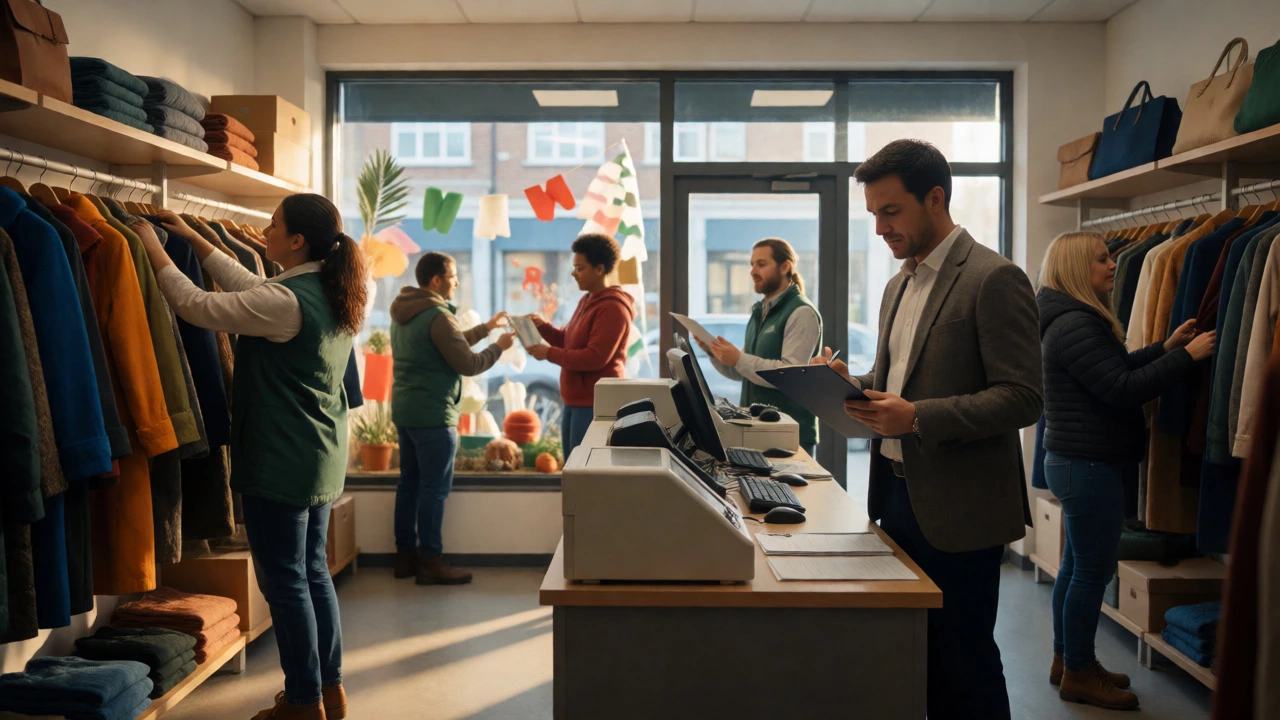
Let’s be clear: without volunteers, most local charity shops wouldn’t exist. Organizations like Oxfam an international confederation of charitable organizations focused on alleviating global poverty rely heavily on community support. In many cases, over 90% of the staff in smaller branches are volunteers. These aren’t just random people passing time; they’re often retirees looking for purpose, students needing work experience, or locals who believe deeply in the mission. They handle everything from opening the doors at 9 AM to closing up at 5 PM, managing cash registers, and dealing with difficult customers.
Why do charities lean so hard on this model? Simple math. Every dollar spent on wages is a dollar not sent to disaster relief or homeless shelters. By using volunteers, charities keep overheads low. This means when you buy a $5 second-hand jacket, more of that money hits the cause rather than the payroll account. It’s a sustainable loop: donations provide stock, volunteers provide labor, sales generate funds, and funds drive the mission.
Who Are the Paid Staff?
If volunteers do the heavy lifting, why do some shops have managers? Because consistency matters. While volunteers bring passion, paid staff bring structure. Most larger chains, such as British Heart Foundation a major UK-based cardiovascular research charity or Salvation Army an international charitable organization operating within the Salvation Army movement, employ a small number of full-time or part-time managers per cluster of stores. These individuals handle the bureaucratic stuff: inventory audits, health and safety compliance, banking deposits, and scheduling shifts for dozens of volunteers.
In New Zealand, where I live in Wellington, organizations like Salvation Army Thrift Stores retail outlets operated by the Salvation Army to fund social services often have a paid store manager overseeing operations. Their job isn’t necessarily to fold every shirt, but to ensure the shop meets legal standards and financial targets. Without them, the operation could drift into chaos. So, while the face you see might be a volunteer, the person ensuring the lights stay on and the bank balance grows is likely on the payroll.
What Do Volunteers Actually Do?
Thinking about volunteering? Don’t expect to just stand around folding t-shirts (though there is plenty of that). The roles vary widely depending on the shop’s size and location. Here’s what a typical week looks like for someone giving their time:
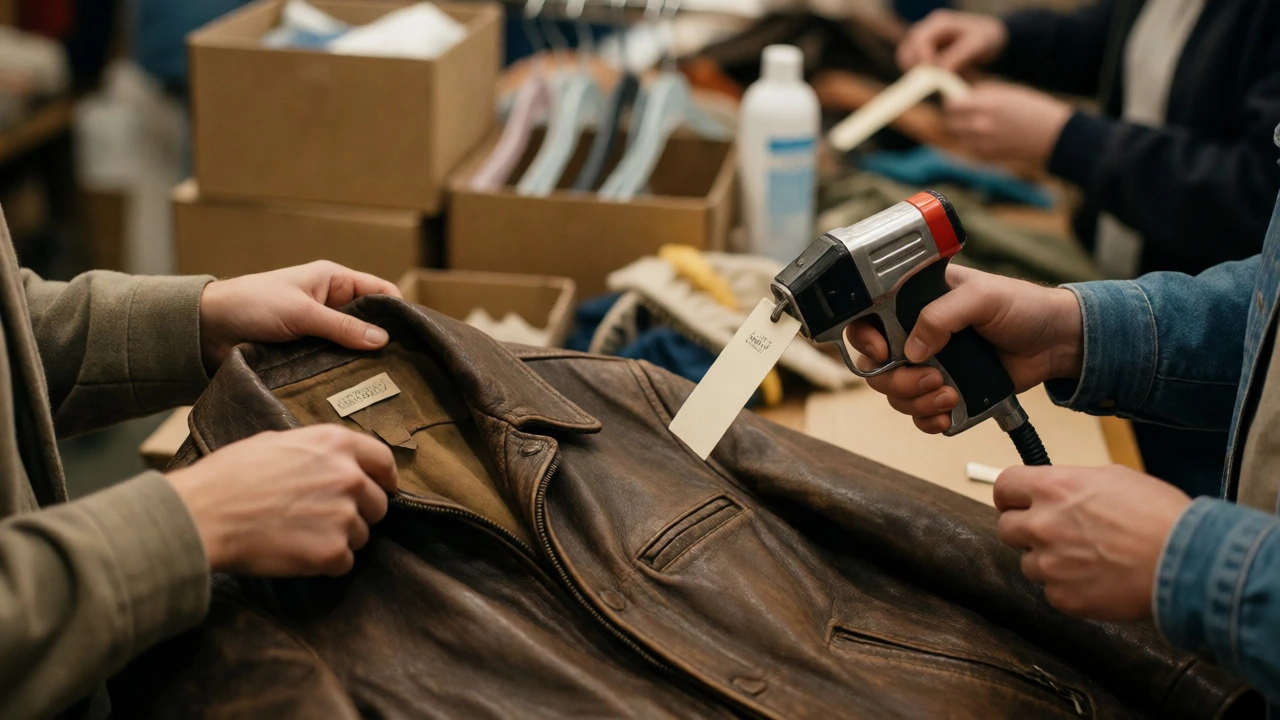
- Sorting and Pricing: This is the backbone of the operation. Volunteers check donated items for damage, clean them, and assign prices based on condition and brand. It requires an eye for value-knowing that a vintage Levi’s pair of jeans is worth more than a generic polyester blend.
- Retail Floor Management: Keeping the shop tidy, restocking shelves, and helping customers find sizes. It’s customer service with a heart.
- Window Displays: Creative types love this role. Designing eye-catching displays draws foot traffic from the street.
- Stockroom Organization: A chaotic back room kills efficiency. Volunteers organize incoming donations before they hit the floor.
- Special Events: During sales periods or holiday seasons, extra hands are needed to manage crowds and process transactions quickly.
It’s physical work. You’ll be lifting boxes, standing for hours, and dealing with dust from old books. But it’s also surprisingly skilled. Learning to spot authentic designer labels or understanding seasonal trends adds a layer of expertise that makes the work engaging.
Benefits Beyond the Paycheck
Since you won’t get a salary, why bother? The rewards are different but real. First, it’s social isolation killer. For retirees, especially those living alone, the shop becomes a second home. You build genuine friendships with people from diverse backgrounds who share a common interest in sustainability and community.
Second, it’s excellent for career building. Students use volunteer stints to fill gaps in their CVs. Employers value retail experience because it shows reliability, teamwork, and customer interaction skills. Plus, you gain practical knowledge in visual merchandising and inventory management that applies to any retail job later on.
| Aspect | Volunteer Role | Paid Staff Role |
|---|---|---|
| Primary Focus | Customer service, sorting, daily tasks | Management, finance, compliance, strategy |
| Commitment Level | Flexible shifts (e.g., 4-8 hours/week) | Full-time or fixed part-time contracts |
| Compensation | No pay; perks may include discounts | Salary plus benefits (holiday pay, etc.) |
| Skill Requirement | Basic retail skills; training provided | Experience in retail management or business |
| Impact on Funds | Directly increases net proceeds for charity | Cost deducted from gross sales revenue |
How to Get Involved
If you’re ready to help, don’t just walk in empty-handed. Most charities have specific processes for onboarding. Start by visiting your local branch during quiet hours-not Saturday afternoon rush-and ask to speak to the manager. Bring a brief intro about yourself and what times you’re available. Be honest about your limitations; if you can only do Tuesdays mornings, say so. Reliability matters more than volume.
You’ll likely need to go through a quick interview and possibly a police check, especially if you’ll be handling cash or working with vulnerable populations. Training is usually informal but essential. Expect to spend your first few days shadowing an experienced volunteer. They’ll teach you the pricing codes, how to operate the till, and which items to reject (spoiler: broken zippers and stained linens rarely make the cut).
Keep in mind that policies differ. Some large chains require online applications through platforms like DoSomething.org a non-profit organization that engages young people in civic action or local volunteer hubs. Smaller independent trusts might prefer a face-to-face chat. Always check the specific requirements of the organization you want to support.
Common Misconceptions
People often think charity shops are just dumping grounds for unwanted junk. That’s false. Successful shops curate their inventory. Volunteers actively select high-quality items to maximize sales. Another myth is that volunteers have no say. Good managers listen to their team. If you notice a trend-say, kids’ coats selling faster in spring-suggest changing the display. Your input counts.
Also, don’t assume volunteering is only for older folks. Younger generations are increasingly drawn to thrift shopping as an eco-friendly alternative to fast fashion. Volunteering gives them insider access to the best finds before they hit the floor. It’s a win-win: you save the planet, and you score a great deal.
Frequently Asked Questions
Do charity shop volunteers get paid?
No, traditional charity shop volunteers are unpaid. However, some organizations offer small perks like staff discounts on purchases or reimbursement for travel expenses. The primary compensation is the satisfaction of contributing to a good cause and gaining retail experience.
Can I volunteer if I have no retail experience?
Absolutely. Most charities provide on-the-job training. Managers look for enthusiasm, reliability, and a friendly attitude more than previous experience. You will learn how to price items, use the point-of-sale system, and interact with customers under supervision.
How many hours do I need to commit?
This varies by shop, but most require a minimum commitment, such as one shift per week (typically 4-6 hours) for a set period, like three months. This ensures you become familiar with the routine and provides consistent coverage for the store.
Are charity shops always run by volunteers?
Not always. While the majority of staff are volunteers, larger chains often employ paid managers or supervisors to oversee operations, handle finances, and ensure compliance. The ratio depends on the size of the chain and the specific location.
What happens if I donate items instead of volunteering?
Donations are crucial, but they still require processing. Volunteers sort, clean, and price these items. If you donate but don’t volunteer, you’re providing the product, but others must provide the labor to turn it into cash for the charity. Both contributions are vital to the ecosystem.