
Community Outreach Aim & Impact Evaluator
Define Your Program Aim
Enter your current program goal below. The tool will analyze it based on the principles of accessibility, trust-building, and empowerment described in the article.
Analysis & Recommendations
Enter your aim above to receive feedback on clarity, empowerment focus, and measurability.
Assessment
Suggested Improvement Strategy:
You’ve probably seen flyers for free health checks at your local library or volunteers handing out meals in the park. It looks like charity, sure. But is that really what it’s all about? If you ask a grant officer or a seasoned nonprofit director, they’ll tell you that community outreach isn’t just about giving things away. It’s about building bridges.
The primary aim of any effective outreach program is to close the gap between an organization and the people it serves. Think of it as translating institutional resources into real-world help. Without outreach, even the best-funded programs sit empty because the people who need them don’t know they exist, don’t trust the providers, or can’t access them due to logistical barriers. In Wellington, where we have distinct communities from the CBD to the outer suburbs, this translation work is critical. The goal isn’t just to deliver a service; it’s to create a sustainable relationship where the community feels heard, supported, and empowered.
Beyond Charity: The Core Objectives
Many people mistake outreach for simple aid. They think the aim is to hand out food or provide a temporary shelter. While those are outputs, they aren’t the ultimate aims. The core objective is accessibility. This means removing the invisible walls that keep marginalized groups away from essential services.
Consider a mental health service in a rural town. It might offer excellent therapy, but if it’s only open during work hours and requires a car to reach, it fails its aim. An outreach program’s job is to identify these barriers-transport, language, stigma, cost-and dismantle them. When you design a program with accessibility as the primary aim, you stop asking "How do we get people to come to us?" and start asking "How do we bring our support to them?" This shift in perspective changes everything. It moves the focus from institutional convenience to user experience.
Another key aim is trust-building. People are skeptical of big organizations. They’ve been let down before. A one-off event doesn’t fix that. Consistent presence does. When your team shows up regularly at a local marae, school gate, or community center, not just when you need donations, you build social capital. This trust is the currency that allows your program to survive long-term. Without it, you’re constantly starting over with every new cohort of participants.
Empowerment Over Dependency
Here’s a hard truth: bad outreach creates dependency. Good outreach creates empowerment. The primary aim should always be to equip individuals with the tools they need to navigate their own lives. If your program solves a problem for someone once but leaves them unable to solve it next time, you haven’t met your aim.
Let’s look at a practical example. Imagine a financial literacy workshop. A weak aim would be "Teach people how to budget." A strong, empowerment-focused aim would be "Enable families to manage debt independently within six months." The difference is subtle but powerful. The first focuses on information transfer. The second focuses on capability and outcome. Empowerment means shifting the power dynamic. Instead of the expert telling the recipient what to do, the outreach worker facilitates a process where the community identifies its own solutions.
This approach aligns with modern social work principles. It respects the agency of the individual. It recognizes that people are experts in their own lives. Your role is to connect them with resources, not to dictate their path. When you prioritize empowerment, you reduce the long-term cost of social services because fewer people need continuous intervention. You’re investing in resilience, not just relief.
Measuring Success: What Does Impact Look Like?
If the aim is abstract, how do you measure it? Many nonprofits struggle here. They count numbers: number of flyers distributed, number of attendees, dollars spent. These are activity metrics, not impact metrics. To truly assess if you’re meeting the primary aim, you need to track changes in behavior, knowledge, and well-being.
Use a framework that distinguishes between outputs and outcomes. Outputs are what you do. Outcomes are what changes because of what you do. For instance, if you run a youth mentoring program, the output is "100 hours of mentoring delivered." The outcome is "85% of participants reported increased confidence in applying for jobs." The latter tells you if you’re actually achieving your aim of empowering youth.
| Metric Type | Example | Why It Matters |
|---|---|---|
| Activity Metric | Number of workshops held | Shows effort, but not effectiveness |
| Output Metric | Number of people trained | Shows reach, but not change |
| Outcome Metric | % of participants using skills after 3 months | Shows actual behavior change |
| Impact Metric | Reduction in local unemployment rate | Shows systemic community improvement |
Focusing on outcome metrics forces you to stay honest. If attendance is high but confidence isn’t rising, your program isn’t working, no matter how busy you are. This data-driven approach helps you refine your strategy and prove value to funders.
The Role of Cultural Competence
In diverse places like New Zealand, cultural competence isn’t optional-it’s central to the aim. A program that ignores cultural context will fail, no matter how well-resourced it is. The primary aim must include ensuring that services are culturally safe and relevant.
This goes beyond hiring staff from different backgrounds. It means adapting communication styles, respecting protocols, and understanding historical trauma. For Māori and Pasifika communities, for example, collective decision-making and whakapapa (genealogy) are crucial. A rigid, individualistic Western model might alienate potential participants. Effective outreach integrates local values into its structure.
When you embed cultural competence into your aim, you signal respect. You show that you’re willing to learn, not just teach. This reduces barriers related to stigma and mistrust. It ensures that your program doesn’t inadvertently exclude the very people it intends to serve. Always consult with community leaders early in the design phase. Their insights will save you months of wasted effort later.
Sustainability Through Partnerships
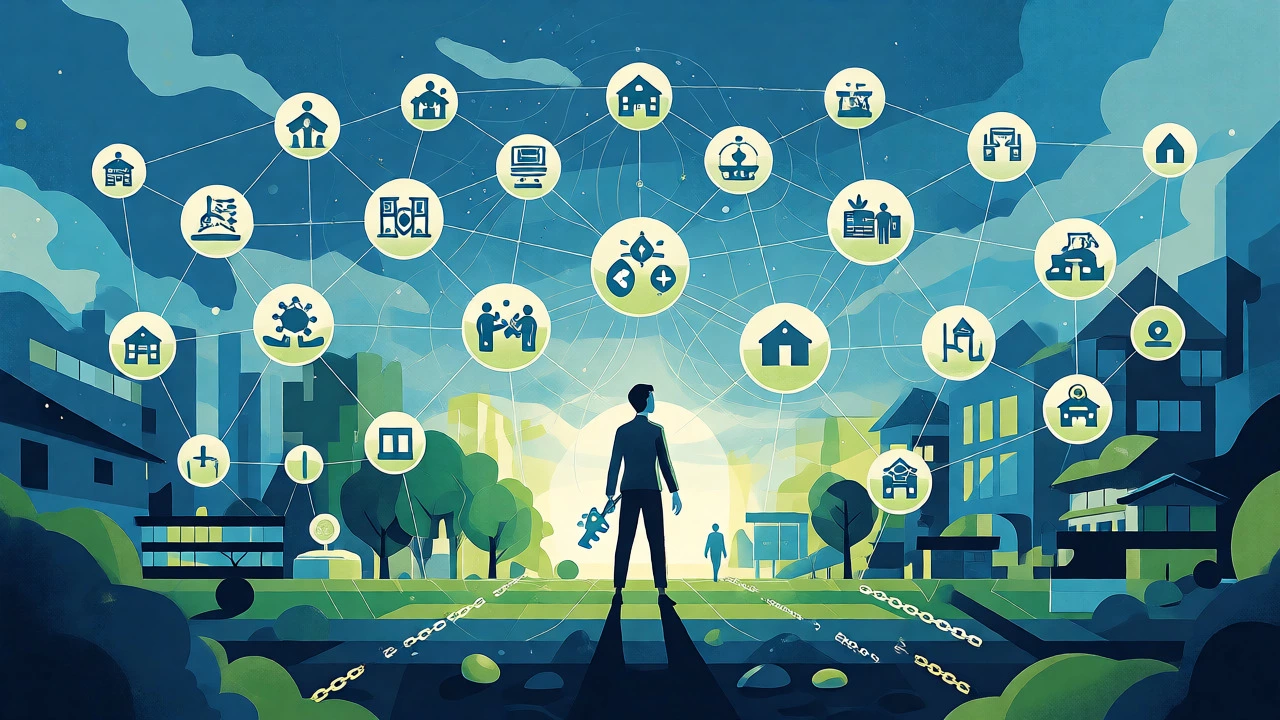
No single organization can meet all community needs alone. Therefore, another critical aim of outreach is fostering collaboration. You’re not just serving clients; you’re weaving a network. Strong partnerships with schools, businesses, health providers, and other nonprofits amplify your impact.
Think of your outreach program as a hub. It connects isolated resources to isolated needs. By partnering with a local gym, you might offer discounted memberships to low-income families. By working with a local employer, you might create direct pathways to jobs. These connections make the ecosystem more resilient. If one funding stream dries up, the network holds.
Collaboration also prevents duplication. Have you ever noticed two charities doing nearly identical work three blocks apart? That’s inefficient. Outreach involves mapping existing services and filling gaps. It’s about coordination, not competition. When you position your program as a connector, you become indispensable to the broader community infrastructure.

Common Pitfalls to Avoid
Even with good intentions, many programs miss the mark. Here are the most common mistakes:
- The "Savior Complex": Assuming you know better than the community. This leads to solutions that don’t fit local realities.
- Short-Term Focus: Designing projects that end abruptly, leaving participants without support systems.
- Jargon Overload: Using bureaucratic language that confuses or alienates residents.
- Lack of Feedback Loops: Not asking participants what worked and what didn’t.
Avoiding these pitfalls requires humility and flexibility. Be ready to pivot. If a method isn’t working, drop it. Listen more than you speak. Remember, the community defines the problem; you help define the solution.
Practical Steps to Define Your Aim
Ready to clarify your program’s purpose? Follow these steps:
- Identify the Gap: What specific need is unmet? Use data and conversations to pinpoint it.
- Define the Outcome: What will life look like for participants after your program? Be specific.
- Set Accessibility Goals: How will you remove barriers? List concrete actions (e.g., mobile units, multilingual staff).
- Plan for Trust: How will you engage consistently? Schedule regular touchpoints.
- Establish Measurement: Decide now how you’ll track success. Don’t wait until the end.
By following this structure, you ensure your aim is clear, actionable, and measurable. You move from vague goodwill to strategic impact.
Is community outreach the same as marketing?
No. Marketing promotes a product or service to sell it. Community outreach builds relationships to provide support. While both involve communication, outreach prioritizes trust and accessibility over conversion rates. The goal is participation and well-being, not profit.
How do I measure the success of my outreach program?
Focus on outcome metrics rather than just activity counts. Track changes in participant behavior, knowledge, or well-being. For example, instead of counting attendees, measure how many applied the skills learned or reported improved quality of life three months later.
Why is cultural competence important in outreach?
It ensures services are accessible and respectful. Ignoring cultural context can lead to mistrust and low participation. Culturally competent programs adapt their methods to align with local values and protocols, making them more effective and inclusive.
Can small nonprofits afford effective outreach?
Yes. Effective outreach relies more on consistent presence and genuine listening than on large budgets. Leveraging volunteers, partnering with existing community hubs, and using low-cost digital tools can maximize impact without significant financial investment.
What is the biggest barrier to successful outreach?
Lack of trust. Communities often distrust institutions due to past failures or perceived indifference. Building trust takes time and consistency. One-off events rarely suffice; sustained, respectful engagement is required to overcome skepticism.