Terrestrial Ecosystems: What They Are and Why They Matter
When we talk about terrestrial ecosystems, land-based communities of living organisms interacting with their physical environment. Also known as land ecosystems, they include forests, grasslands, deserts, and tundras—every patch of ground where plants, animals, fungi, and microbes live and depend on each other. These aren’t just pretty landscapes. They’re the backbone of clean air, fresh water, fertile soil, and the food we eat. Without healthy terrestrial ecosystems, nothing else works—not even human society.
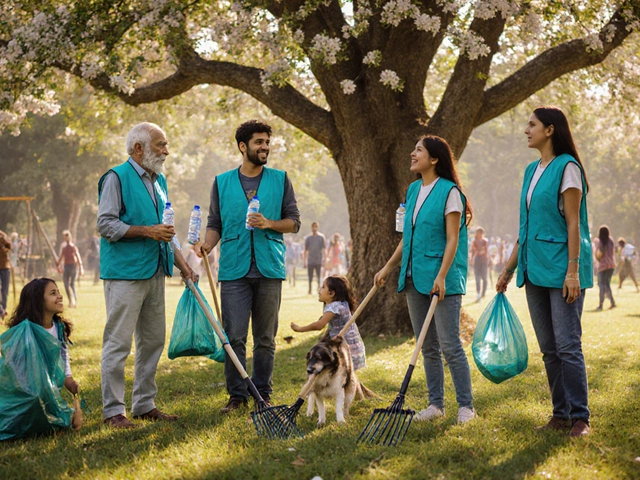
These systems are being pulled apart by climate change, a global shift in weather patterns caused by rising greenhouse gases, deforestation, pollution, and urban sprawl. Every time a forest is cleared for farming or a wetland is drained for development, we lose not just trees or plants, but entire networks of life that regulate temperature, store carbon, and prevent floods. That’s why environmental groups, organizations dedicated to protecting nature through advocacy, science, and direct action are stepping in. Groups like Greenpeace and the Sierra Club don’t just protest—they work with local communities to restore land, push for policy changes, and teach people how to live in balance with nature.
And it’s not just about saving big forests. ecosystem services, the direct and indirect benefits nature provides to humans—like pollination by bees, natural water filtration by wetlands, or soil regeneration by earthworms—are worth trillions of dollars every year. Yet we treat them like free gifts, not vital infrastructure. When these services break down, we pay the price in higher food costs, worse air quality, and more extreme weather. That’s why local efforts—like planting native trees in your town or supporting a community-led conservation project—are more powerful than they seem. They’re not just nice acts. They’re repairs.
You’ll find stories here about the real people and groups fighting to protect these systems—from grassroots teams in Bangladesh restoring degraded farmland, to activists in Oregon blocking illegal logging. You’ll see how one small group’s work can ripple outward, influencing policy, saving species, and even changing how cities plan their parks. You’ll also see how fundraising, volunteering, and even how you spend your money connect directly to the health of the land under your feet. This isn’t abstract science. It’s your backyard, your local park, your next meal. And it’s worth fighting for.
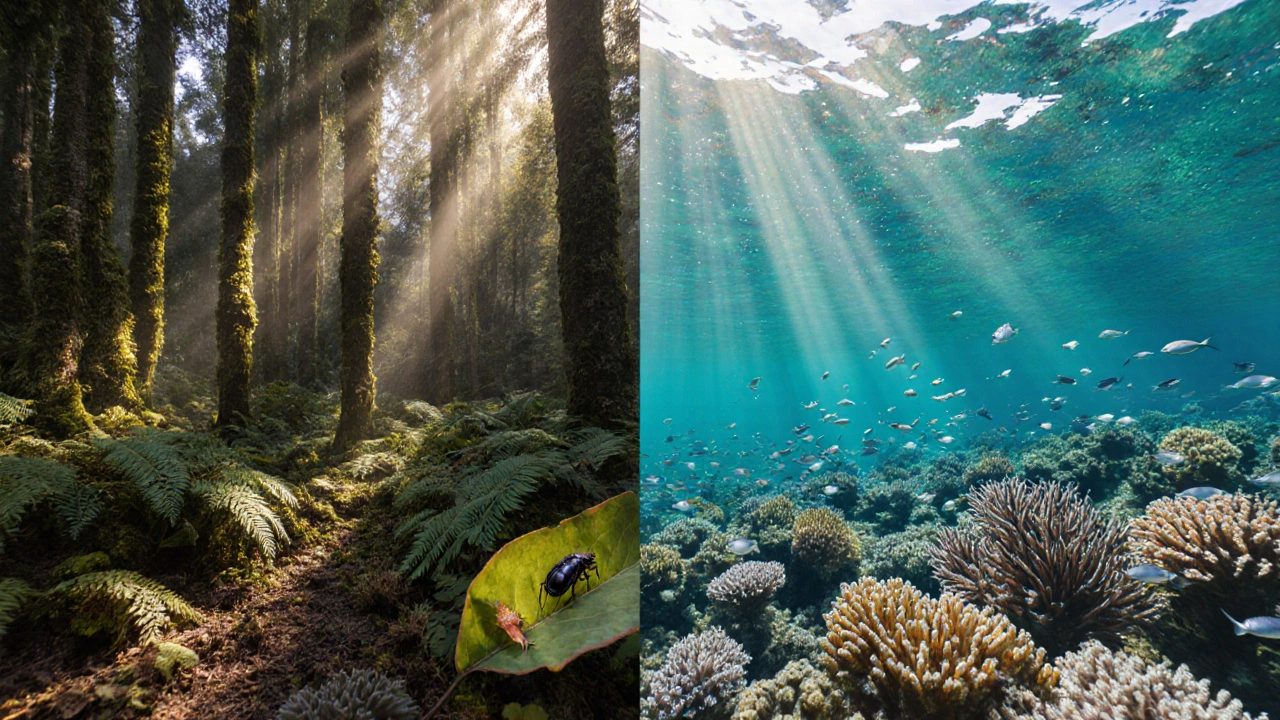
Two Main Ecosystem Groups Explained - Terrestrial vs Aquatic
Learn the two main ecosystem groups-terrestrial and aquatic-through clear definitions, examples, a side‑by‑side comparison, and practical conservation tips.
DetailRelated Posts