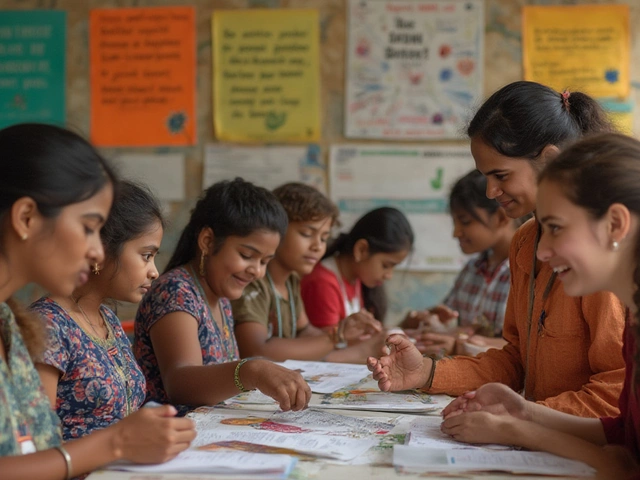
Public Spaces: Where Communities Come Together and Change Happens
When we talk about public spaces, open areas like parks, plazas, libraries, and community centers that anyone can use, regardless of income or background. Also known as shared spaces, they’re not just concrete and grass—they’re the heartbeat of local democracy, where people gather to protest, play, volunteer, and heal. You’ve probably walked through one without thinking twice. But what if that bench, that corner of the park, that sidewalk outside the library is actually the most powerful tool your neighborhood has for change?
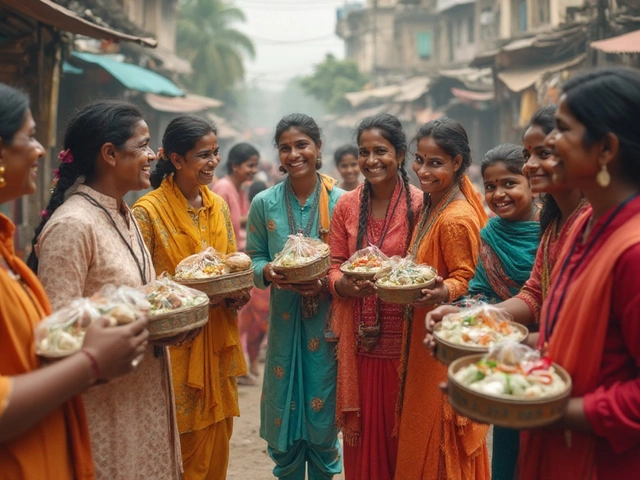
Community outreach, the act of building real, consistent relationships with local residents through presence and listening, not flyers or events doesn’t happen in boardrooms. It happens on park benches, at farmers markets, outside food distribution points. That’s where trust forms. That’s where people learn they’re not alone. And that’s where civic engagement, the active participation of citizens in shaping their community’s future through action, voice, or collaboration takes root. Without public spaces, there’s no stage for this. No place for the teenager organizing a clean-up, the senior leading a walking group, or the immigrant family finding their first friend.
These spaces also host environmental services, the natural benefits ecosystems provide to people—like clean air, stormwater absorption, cooling shade, and mental restoration. A tree-lined street isn’t just pretty. It reduces heat deaths. A restored wetland isn’t just wildlife habitat. It prevents flooding. And when those spaces are neglected or taken away, it’s not just an environmental loss—it’s a social one. People lose places to gather, to breathe, to feel safe.
Look at the posts below. You’ll find stories about how people are using public spaces to feed the hungry, fight climate change, rebuild trust after trauma, and turn empty lots into gardens. You’ll see how charity galas and fundraising events often rely on these same spaces to connect donors with real needs. You’ll learn how homelessness services, food banks, and youth programs all depend on access to open, welcoming ground. This isn’t about landscaping. It’s about power—who gets to use these spaces, who gets to shape them, and who gets left out.
What you’ll find here isn’t theory. It’s real people, in real places, making real change. No grand speeches. No polished PR. Just hands-on work happening on sidewalks, in parks, under bridges, and in community centers. If you’ve ever wondered how to get involved—or why your neighborhood feels disconnected—this is where you start.
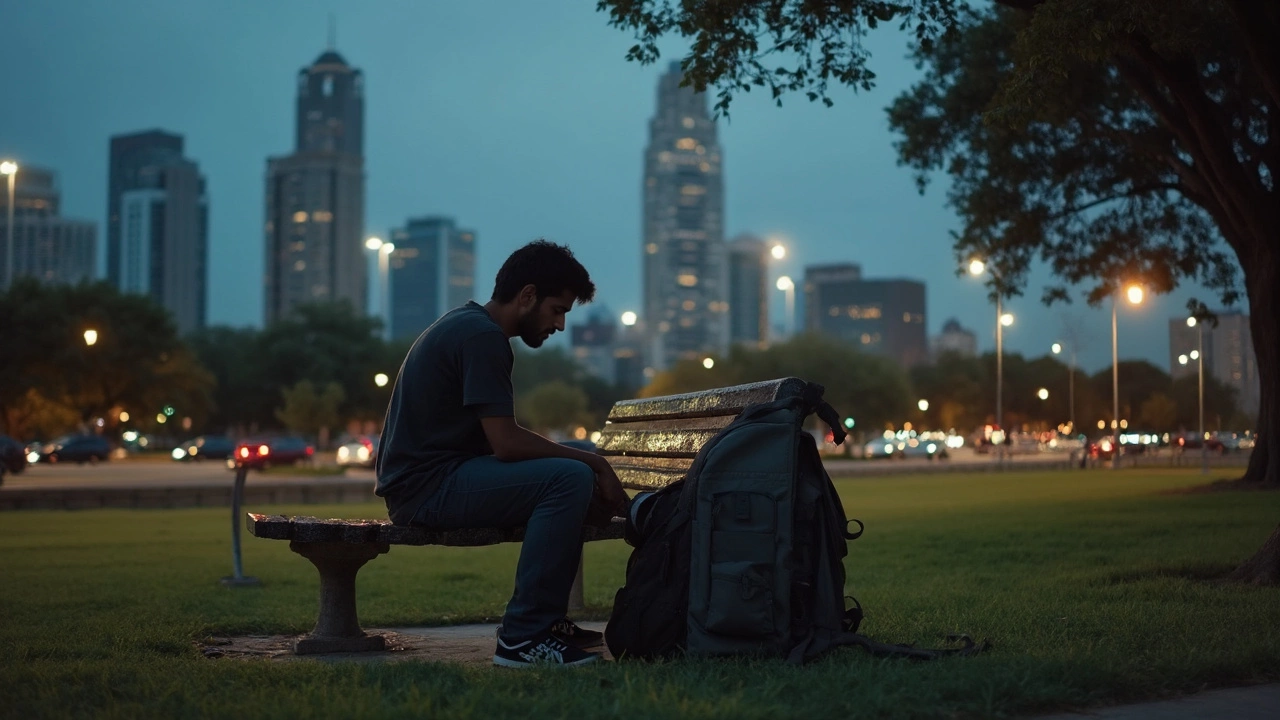
Is It Illegal to Sleep in Public in Texas? The Real Story
Wondering if you can sleep in public places in Texas without getting into trouble? Laws around this are complicated, with city rules and state laws sometimes clashing. This article breaks down what you need to know about sleeping in public spaces, what risks you face, and what alternatives exist. Practical tips and facts are included so you can be prepared. Get clear guidance, whether you're camping, passing through, or facing homelessness.
DetailRelated Posts