Public Camping: Where to Camp for Free, What You Need, and Who’s Doing It Right
When you think of public camping, camping on government-owned land like national forests, state parks, or BLM areas where fees are waived or minimal. Also known as free camping, it’s a way to connect with nature without the markup of private campgrounds. It’s not just about saving money—it’s about access. Millions of people in the U.S. and beyond rely on public lands to camp, hike, or just escape. But not every patch of dirt is legal to sleep on. Rules change by state, by forest, even by trailhead. And too many people don’t know the difference between dispersed camping and illegal trespassing.
Public lands, areas managed by federal or state agencies like the Forest Service, BLM, or state parks departments for public use are the backbone of this movement. They include national forests, wildlife refuges, and Bureau of Land Management (BLM) territories—places where you can often camp for free, sometimes for weeks, if you follow the rules. But these lands aren’t just empty space. They’re shared with hikers, ranchers, wildlife, and Indigenous communities. That’s why camping regulations, local rules that control where, how long, and how you can camp on public land exist. No fires in dry season. No camping within 200 feet of water. No staying more than 14 days in one spot. These aren’t suggestions—they’re enforced. Violate them, and you risk fines, being kicked out, or even losing access for everyone.
What makes public camping work isn’t just knowing where to go—it’s knowing how to do it right. The best campers leave no trace, pack out every scrap, respect quiet hours, and avoid overcrowded spots. Communities in places like Oregon, Montana, and Colorado have built networks of volunteers who monitor sites, report damage, and even help restore trails. Meanwhile, in states like Arizona and New Mexico, local groups are pushing back against privatization, fighting to keep public lands open to everyone—not just those who can afford luxury RV parks.
You’ll find real stories in the posts below: how people survive winter in their cars on public land, what gear actually works when you’re sleeping on dirt, and which states have the most forgiving rules. Some posts show how nonprofits are teaching kids to camp safely on public lands. Others expose shady operators who sell "free camping" guides that lead people into trouble. There’s no magic checklist—but there is a pattern. The people who keep camping legally, respectfully, and sustainably are the ones who learn the local rules, talk to rangers, and treat the land like it’s theirs to protect, not just use.
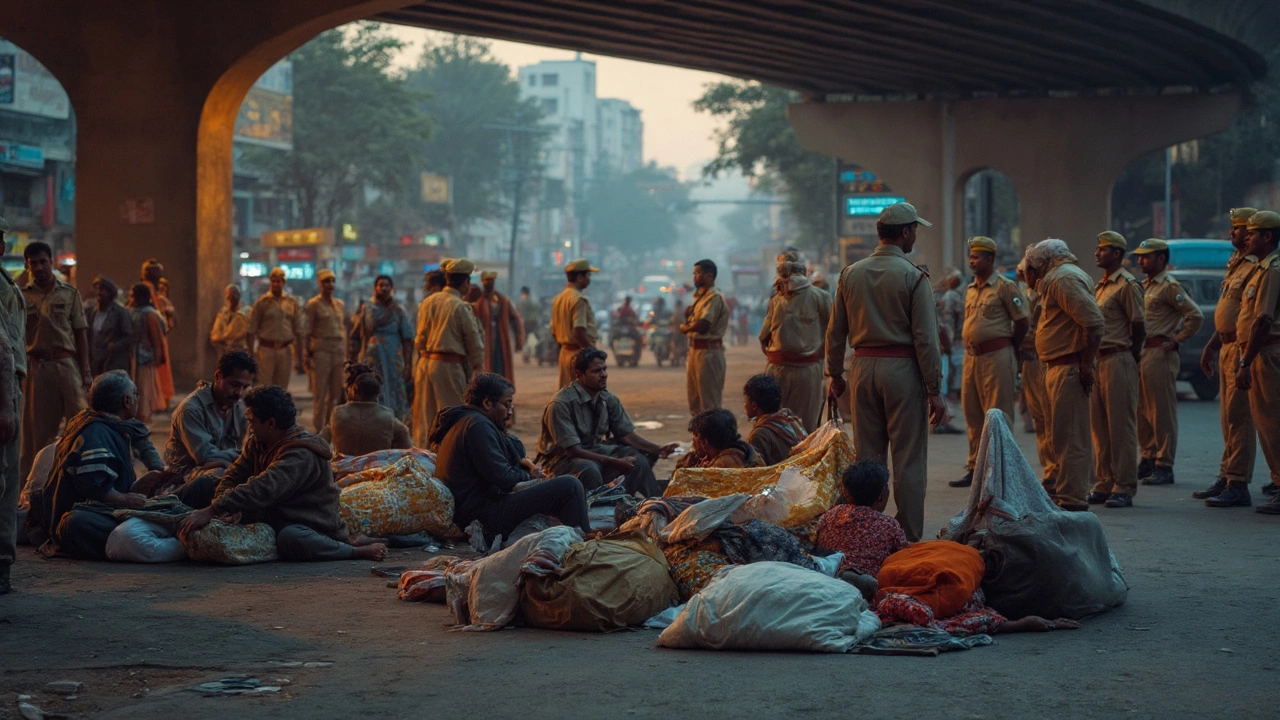
Is It a Crime to Be Homeless in Texas?
Texas has been making headlines with its tough stance on homelessness, but are people actually being criminalized just for not having a home? This article breaks down the real situation facing homeless folks in Texas, what the law says, and the impact on daily life. You’ll get straight facts about arrests, what’s happening in cities like Austin, and where shelters fit into all this. Plus, there are practical tips for navigating the system and finding real help. Expect clarity, real-world advice, and none of the usual guesswork about what’s really going on.
DetailRelated Posts