Poor Donors: Why Giving Without Resources Still Matters
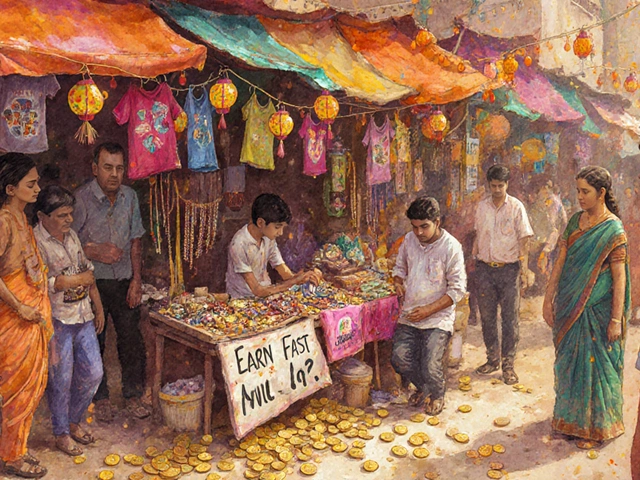
When we think of donors, we picture wealthy individuals writing big checks—but poor donors, people who give what they can—even if it’s a few dollars, hours of time, or a home-cooked meal—form the backbone of grassroots change. These aren’t outliers. They’re neighbors, students, single parents, and retirees who choose to give even when they have almost nothing left. Their generosity isn’t measured in dollars, but in commitment—and it’s often the most sustainable kind. Nonprofits that ignore poor donors miss the real pulse of their communities. A single mom who volunteers at the food bank every Saturday, a teenager who collects spare change for a local shelter, a retired worker who bakes cookies for a youth group—these aren’t footnotes in a fundraising report. They’re the reason some organizations survive when the big grants dry up.
Charitable giving, the act of supporting causes with money, time, or resources, doesn’t require wealth. In fact, studies show that lower-income households give a higher percentage of their income to charity than the wealthy. Why? Because they know what it’s like to need help. They’ve stood in line at food banks, relied on community meals, or borrowed a ride to a doctor’s appointment. Their giving isn’t about tax breaks or public recognition—it’s about reciprocity. When you’ve been on the receiving end, you understand that support doesn’t come from institutions alone. It comes from people showing up. This is why community support, local networks of people helping each other without formal structures, often outperforms top-down charity programs. A neighborhood that shares groceries, babysits for each other, or organizes free clothing swaps isn’t waiting for a billionaire to fund it. They’re building resilience from the ground up. Meanwhile, nonprofit funding, the money and resources that keep organizations running, too often focuses on big donors, ignoring the quiet, consistent contributions of those with little to give. But the truth? A hundred people giving $5 a month adds up faster than one $5,000 check—and it builds deeper loyalty. When nonprofits treat poor donors as secondary, they lose the most loyal base they have.
Why Your Small Act Counts More Than You Think
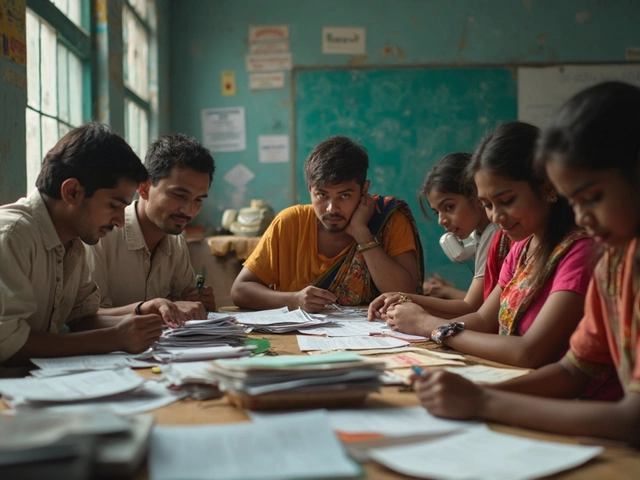
It’s easy to believe that if you can’t afford to donate $100, your help doesn’t matter. But look at the posts here: people using food banks in New Zealand, families applying for homeless grants in Arkansas, volunteers turning their experience into job skills. These aren’t stories of people waiting to be saved. They’re stories of people helping each other—even when they’re barely holding on. A poor donor isn’t defined by income. They’re defined by action. They show up. They speak up. They pass along a meal, a ride, a word of encouragement. That’s the real currency of change.
What you’ll find below isn’t a list of how to get rich donors. It’s a collection of real stories about how ordinary people—people who know what it’s like to struggle—are the ones keeping communities alive. You’ll see how small acts of giving create ripple effects, how volunteer time can be just as valuable as cash, and why the most trustworthy charities are the ones that listen to the people who give the least but care the most. This isn’t about guilt or pity. It’s about recognizing that real change doesn’t come from the top. It comes from the bottom up—and it always has.
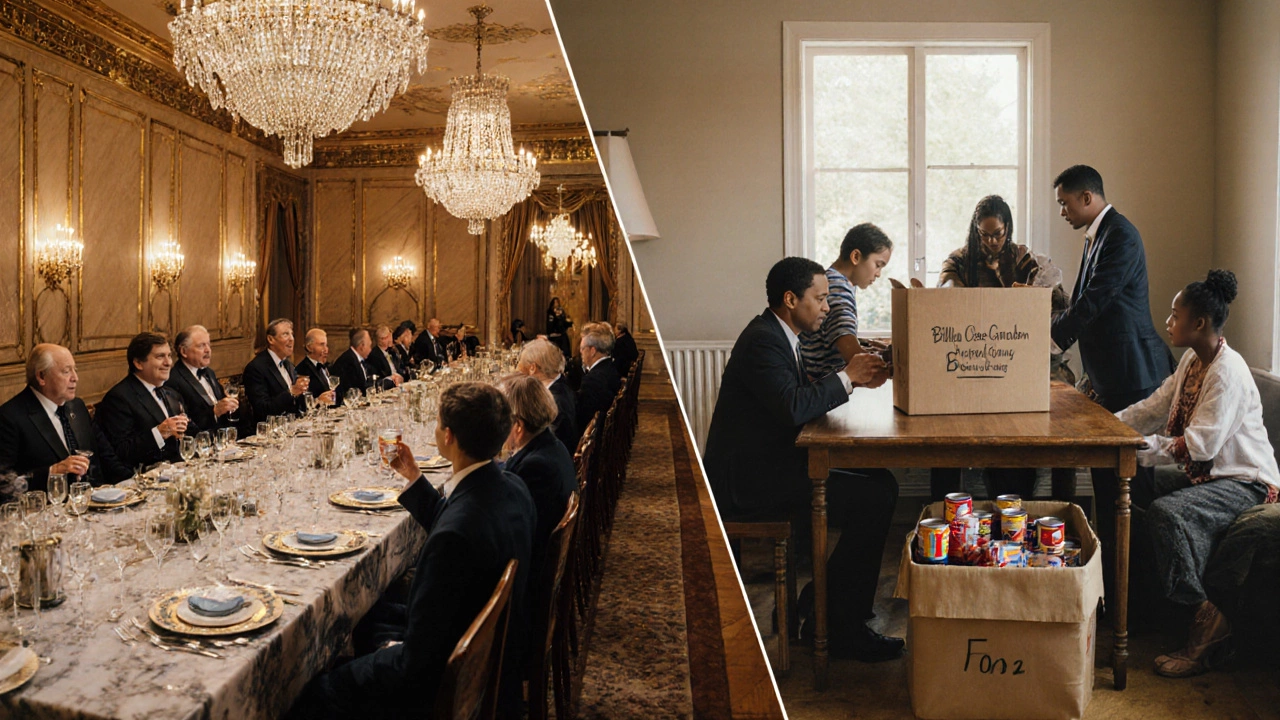
Rich vs Poor: Who Donates More to Charity?
Explore who donates more to charity-rich or poor-by examining total dollars, income percentages, motivations, myths, and ways nonprofits can engage both groups.
DetailRelated Posts