Non Cash Gifts: What They Are, Why They Matter, and How They Help Communities
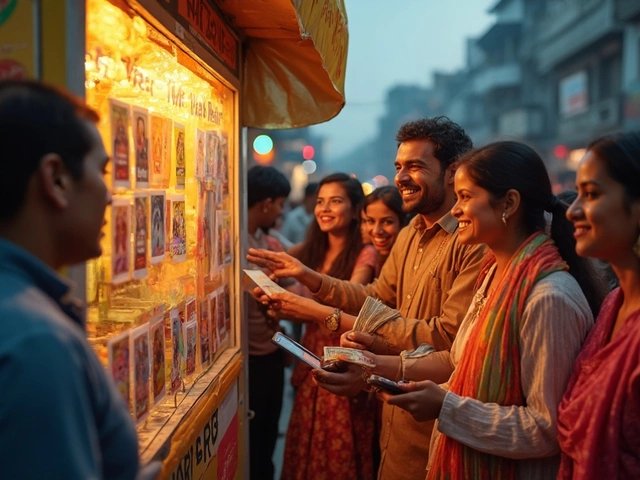
When people think of giving to charity, they often picture cash donations. But non cash gifts, physical items or services given to support a cause instead of money. Also known as in-kind donations, they include everything from canned food and winter coats to tutoring hours and used laptops. These aren’t just leftovers or hand-me-downs—they’re essential resources that let nonprofits stretch every dollar further and serve more people directly.
Non cash gifts power the day-to-day work of charities in ways money can’t always match. A food bank doesn’t need cash to fill shelves—it needs rice, beans, and peanut butter. A shelter doesn’t need a check to keep someone warm—it needs blankets and hygiene kits. And a youth program doesn’t need donations to run after-school tutoring—it needs volunteers with teaching skills and computers for kids to use. These are all in-kind donations, non-monetary contributions that meet specific, urgent needs. They’re especially powerful because they cut out middlemen. When you donate a backpack full of school supplies, the child gets it the next day—not after a fundraiser, a bank transfer, and a procurement process.
Many of the organizations featured in our posts rely on these kinds of gifts. The groups helping homeless people in Arkansas or New Zealand don’t just take cash—they need shoes, sleeping bags, and laundry vouchers. Environmental groups restoring ecosystems don’t just fundraise—they need tools, seedlings, and volunteer labor. Even the charities running food banks in low-income neighborhoods depend on grocery donations more than checks. community aid, local support provided through direct resource sharing. This isn’t charity as a transaction. It’s community as a network of needs and resources.
Why does this matter? Because cash alone can’t solve real problems. A $50 donation might buy a week of meals, but a donated pallet of canned goods feeds a hundred families for months. A volunteer teaching math for two hours a week gives a child more than any amount of money could. And when you give your time, skills, or unused items, you’re not just helping—you’re building a system where people help each other directly, without waiting for a check to clear.
What you’ll find in the posts below are real stories about how non cash gifts make a difference. You’ll see how environmental groups use donated tools to clean rivers, how shelters turn clothing drives into dignity, and how schools rely on donated tech to close the learning gap. You’ll also learn why some nonprofits struggle to accept these gifts—and how to give in ways that actually help, not hinder. This isn’t about feeling good. It’s about giving smart, giving useful, and giving in ways that change lives right now.

What Are Non‑Cash Gifts to Charity? A Complete Guide
Learn what non cash gifts to charity are, how to value them, tax benefits, common pitfalls, and a step‑by‑step donor checklist for successful in‑kind donations.
DetailRelated Posts