Greenspace: Why Natural Areas Matter for Communities and How to Protect Them
When we talk about greenspace, public land with natural vegetation like parks, forests, community gardens, and urban wetlands that supports both people and wildlife. Also known as green infrastructure, it’s not just nice to have—it’s a basic need for healthy cities and towns. Every tree on a sidewalk, every patch of wildflowers in a vacant lot, every walking trail along a river—these are all parts of greenspace. And they’re doing more than looking pretty. They cool down neighborhoods during heatwaves, soak up stormwater to prevent flooding, and give people a place to breathe, move, and connect.
Greenspace doesn’t work alone. It’s tied to environmental groups, organizations that protect nature through advocacy, restoration, and education. Also known as conservation groups, they’re often the ones pushing cities to save a wetland, plant native trees, or turn a dump into a park. These groups don’t need big budgets to make a difference. Look at the community teams in New Zealand, Bangladesh, and Oregon mentioned in our posts—they’re restoring streams, planting food forests, and fighting to keep green areas public. And they’re not just saving trees; they’re building trust. That’s where community outreach, the consistent, respectful practice of engaging local residents to co-create solutions. Also known as local engagement, it’s the glue that holds greenspace projects together. You can’t force people to care about a park they never helped design. But if you show up, listen, and invite them to plant a tree or clean a trail, they’ll protect it.
Greenspace also connects to ecosystem services, the natural benefits people get from healthy environments, like clean air, pollination, and mental restoration. Also known as environmental services, they’re the invisible lifelines that keep cities alive. A single mature tree can remove 48 pounds of carbon a year. A community garden can feed dozens. A walking path can reduce depression rates. These aren’t abstract ideas—they’re measurable, daily wins. And they’re why so many of the posts here focus on real, local action: from restoring urban forests to turning empty lots into shared gardens. You don’t need a grant or a government permit to start. You just need neighbors, a shovel, and the will to show up.
What you’ll find below isn’t a list of abstract theories. It’s a collection of real stories—people who turned concrete into compost, who fought to save a patch of woods from development, who used greenspace to bring together people who otherwise wouldn’t talk. These aren’t just environmental wins. They’re community wins. And they’re happening right now, in places you might walk past every day without noticing. The question isn’t whether greenspace matters. It’s whether you’ll help protect it.
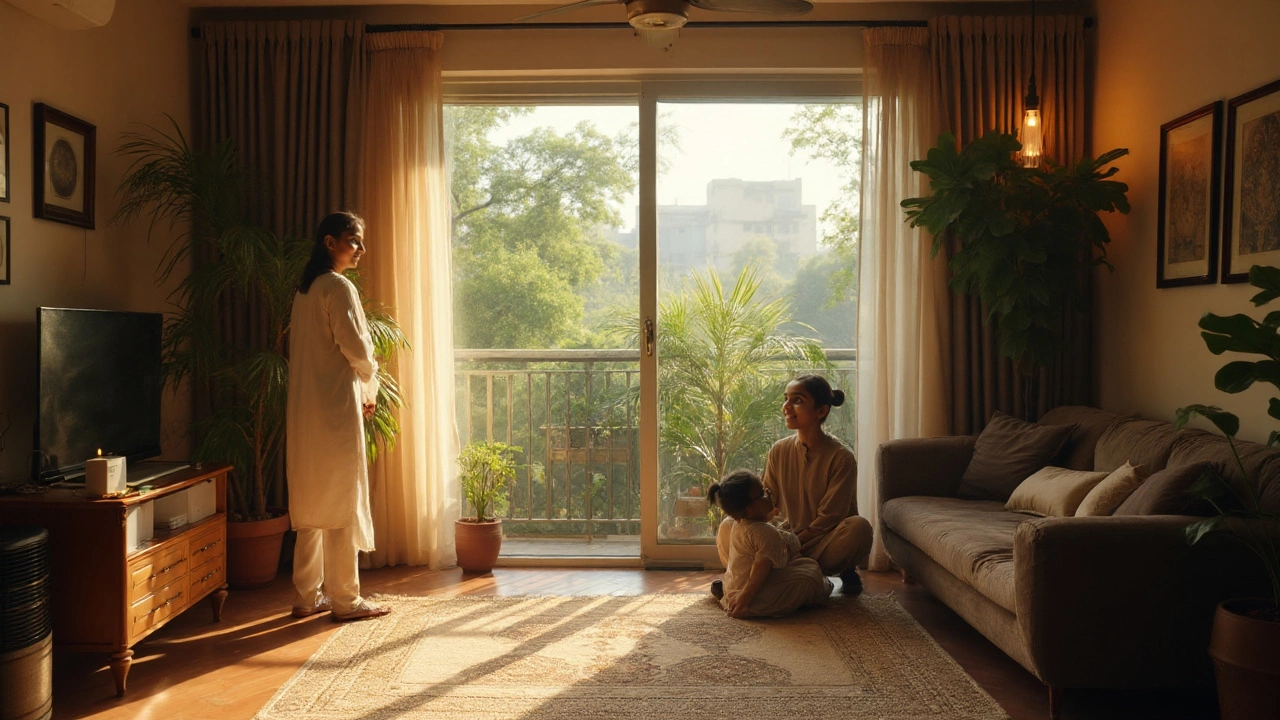
Do Your Surroundings Affect You? Science-Backed Ways to Shape Your Space and Mood
Yes-surroundings change mood, focus, and health. See how air, noise, light, and community shape wellbeing, plus practical steps to fix home, work, and street environments.
DetailRelated Posts