Emergency Housing: What It Is, Who Needs It, and Where to Find Help
When you lose your home—whether from job loss, fire, domestic violence, or just running out of money—you don’t need a pamphlet. You need a place to sleep tonight. That’s emergency housing, a temporary shelter or housing solution for people who have nowhere else to go. Also known as crisis housing, it’s not luxury, but it’s survival. It’s not the same as long-term affordable housing. Emergency housing is fast, urgent, and often run by nonprofits, churches, or local governments trying to stop people from sleeping on sidewalks or in cars.
This isn’t just about tents or cots. Emergency housing includes transitional apartments, motel vouchers, domestic violence shelters, and even pop-up warming centers during winter storms. In states like Minnesota and Oregon, programs are designed to move people from shelters to permanent housing in under 30 days. In others, people wait months just to get on a waiting list. The system isn’t fair, but it’s real—and it’s working for some. housing vouchers, government-funded coupons that help low-income people pay rent are one of the most effective tools, but they’re in short supply. Meanwhile, homeless assistance, a mix of local services like food, showers, case management, and legal aid often ties into emergency housing programs. These services don’t fix poverty, but they keep people alive long enough to find a way out.
People don’t end up in emergency housing because they’re lazy. They’re there because rent went up 40% in two years, because a job vanished, because a partner turned violent, or because a medical bill wiped out their savings. One study found that nearly half of all people in emergency housing had jobs—but still couldn’t afford rent. That’s not a personal failure. That’s a broken system. And yet, local groups across the country are stepping in: churches turning gyms into overnight shelters, nonprofits negotiating with landlords to hold units for people coming out of crisis, and community coalitions pushing cities to spend more on housing—not just police sweeps.
You won’t find luxury in emergency housing. But you will find people helping people. And you’ll find real stories—like the single mom in Arkansas who got a voucher after sleeping in her car for three weeks, or the veteran in Vermont who moved from a tent to a studio apartment thanks to a local nonprofit’s housing team. These aren’t outliers. They’re proof that when systems work, they can change lives.
Below, you’ll find real guides on how to access housing aid, what programs actually pay out, where to apply fast, and how to avoid scams. No fluff. No theory. Just what works—for people who need it now.
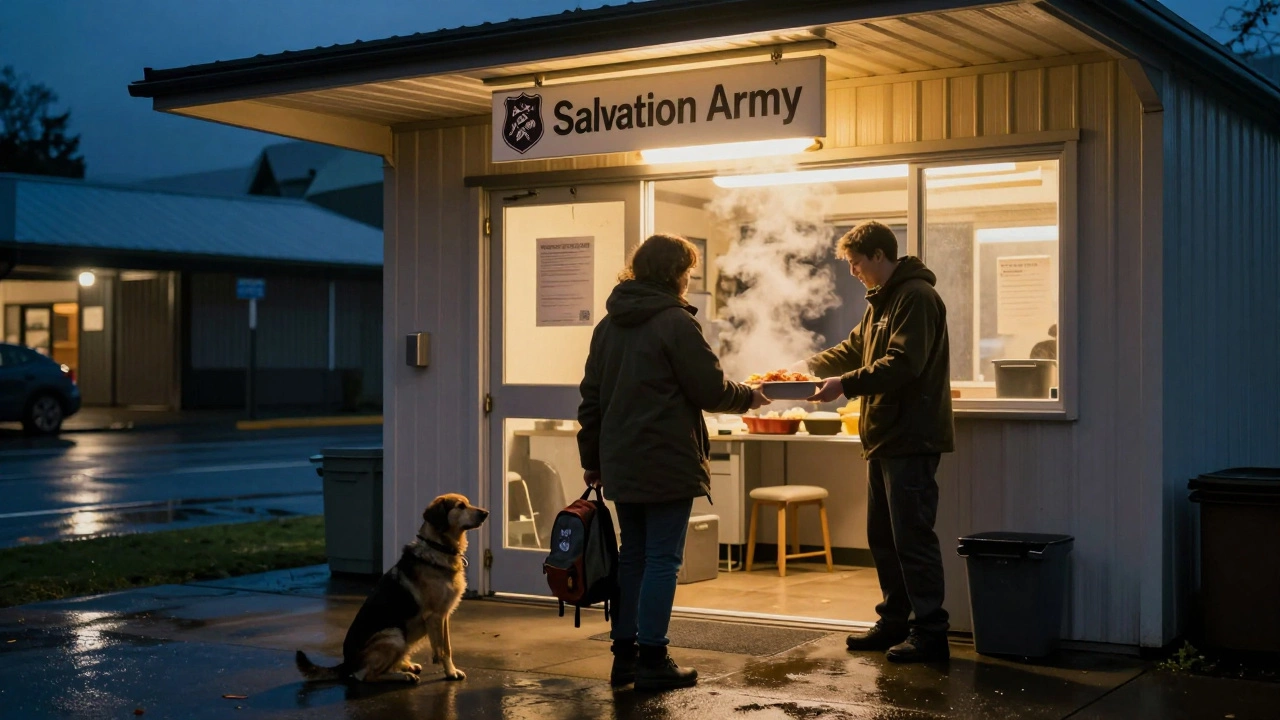
Where to Find Help When You're Homeless: Real Places That Work
When you're homeless, knowing where to go can save your life. This guide shows real places in New Zealand that offer shelter, food, and support-no questions asked.
Detail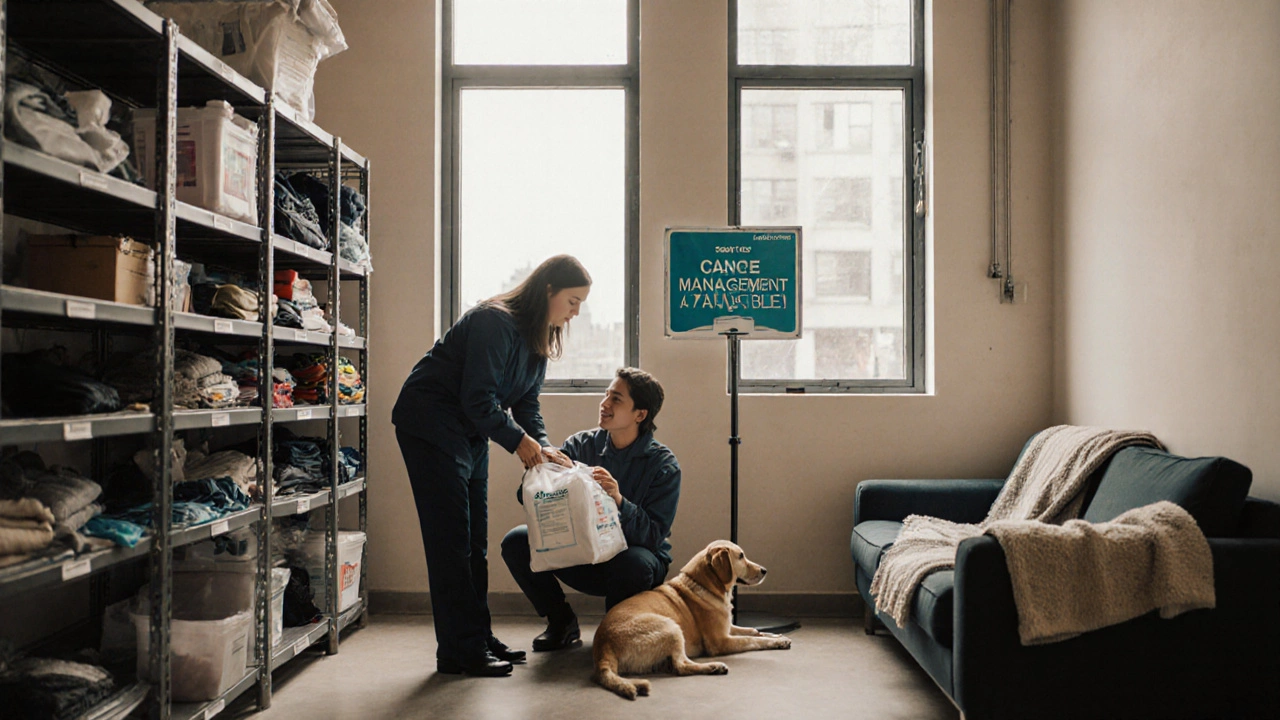
Where Is the Best Place to Be If You Are Homeless? Real Options That Work
If you're homeless, knowing where to go can save your life. This guide breaks down the safest, most supportive shelters and services in 2025-and how to access them without barriers.
Detail