Education: How Learning Drives Community Change
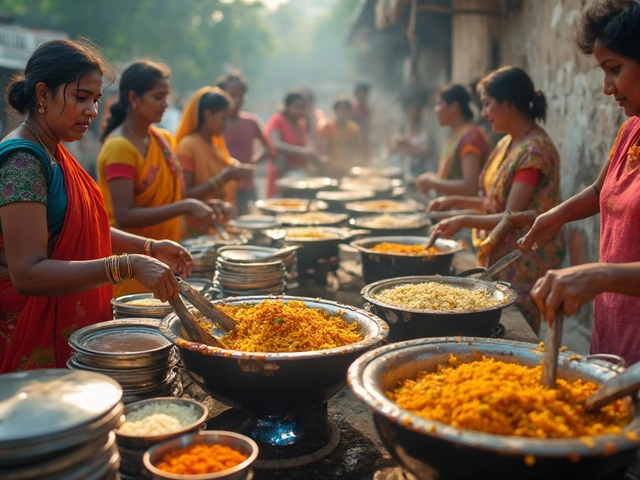
When we talk about education, the process of gaining knowledge, skills, and values that empower individuals and strengthen communities. Also known as learning, it's not just what happens in schools—it’s how people in neighborhoods, shelters, and youth groups build better lives every day. Real change doesn’t come from textbooks alone. It comes when someone learns how to use a food bank, when a teen starts a school club that actually gets people involved, or when a volunteer realizes their time is helping someone else get hired.
community outreach, the act of showing up consistently to listen, connect, and act with local people is where education becomes action. It’s not flyers or one-time events. It’s the teacher who stays after school to help a student apply for college, the volunteer who teaches cooking classes at a shelter, or the group that trains homeless youth in job skills. These aren’t charity acts—they’re education in motion. And youth programs, structured efforts to engage young people in learning, leadership, and service are the backbone of this. The YMCA, founded in 1844, was one of the first. Today, it’s the after-school club in Oregon that teaches environmental science, the support group in Bangladesh where teens learn mental health basics, or the volunteer program in New Zealand that turns teens into food bank organizers.
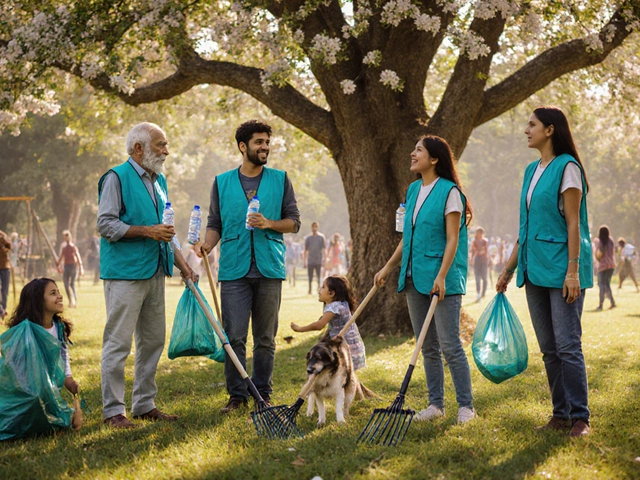
Education doesn’t stop at age 18. It’s in the person who learns how to set up a charitable trust, a legal tool that lets someone direct their money to causes they care about, often with tax benefits and lasting impact so their donation keeps helping for decades. It’s in the resume that lists volunteer experience, hands-on work done without pay that builds real skills like leadership, problem-solving, and reliability—and gets someone hired because it proves they can follow through. These aren’t abstract ideas. They’re the tools people use to lift themselves and others up.
What you’ll find below isn’t a list of articles about teaching methods. It’s a collection of real stories showing how education works outside the classroom: how it helps people eat when they’re broke, how it turns volunteers into job-ready candidates, how it powers environmental groups, and how it turns small actions into lasting change. This is education that moves the needle. And it’s happening right where you live.
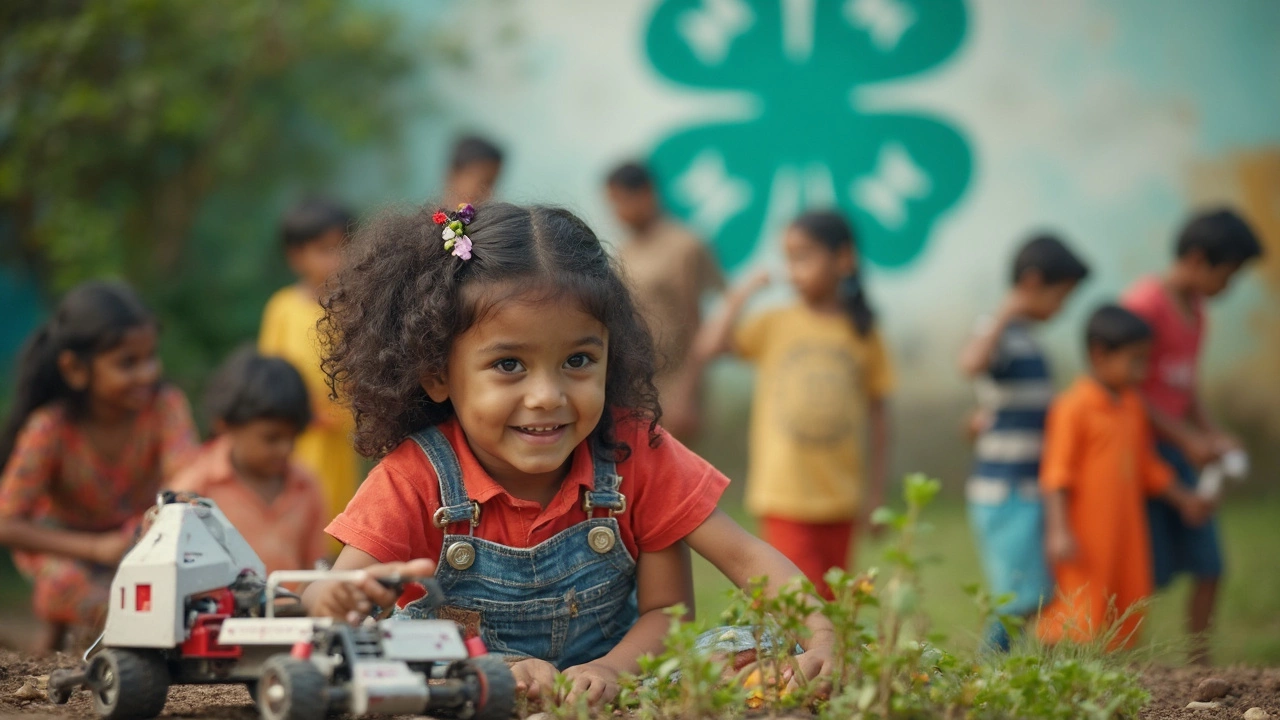
What Does 4-H Really Stand For?
4-H is an influential youth organization that fosters growth through hands-on projects. Often recognized by its four-leaf clover emblem, the program focuses on head, heart, hands, and health. With opportunities ranging from agriculture to robotics, it caters to a wide array of interests, encouraging personal development and community involvement. Discover how 4-H empowers young people to become proactive members of society.
DetailRelated Posts