Built Environment: How Our Spaces Shape Communities and Climate
When we talk about the built environment, the human-made surroundings that include buildings, roads, parks, and infrastructure where people live and interact. Also known as human-made environment, it’s not just concrete and steel—it’s the invisible force shaping how we move, breathe, connect, and even survive. Think about your neighborhood: is it easy to walk to a grocery store? Are there trees lining the streets? Do kids have safe places to play? These aren’t just nice-to-haves—they’re part of the built environment, and they directly impact your health, safety, and quality of life.
The urban planning, the process of designing and regulating the use of land and infrastructure in cities and towns behind the built environment often ignores the people who live there. Many neighborhoods were built decades ago with cars in mind, not people. That means long walks to bus stops, no shade on sidewalks, and parks that feel unsafe after dark. But change is happening. Communities are pushing back, turning empty lots into gardens, converting old factories into community centers, and demanding better lighting, sidewalks, and public transit. These aren’t just aesthetic fixes—they’re survival tools. When the built environment supports walking, biking, and gathering, people are healthier, lonelier, and less dependent on cars. And that cuts emissions, reduces pollution, and makes cities more resilient to heatwaves and floods.
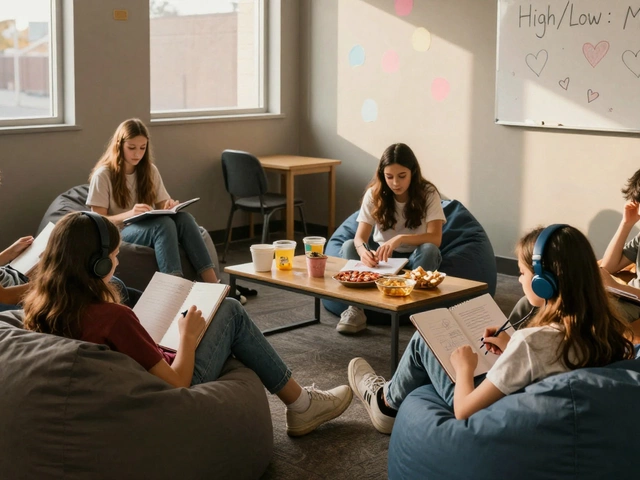
The sustainable design, the practice of creating structures and systems that minimize environmental harm and support long-term ecological balance movement is no longer just for architects. It’s for parents, teachers, volunteers, and local leaders who see how poor design leads to poor outcomes. A school built with natural light and good airflow doesn’t just save energy—it helps kids focus better. A housing project with shared gardens and walkable streets doesn’t just house people—it builds trust. And when you combine this with community spaces, physical areas like parks, libraries, and plazas designed for public use and social interaction, you get places where people actually want to stay. These aren’t luxury upgrades. They’re basic needs. In places where the built environment works for people—not just developers—mental health improves, crime drops, and kids grow up with stronger ties to their neighborhoods.
It’s easy to think the built environment is something big governments or corporations control. But the truth? Real change starts with local action. A group of neighbors planting trees. A church turning its parking lot into a food garden. A youth group petitioning for crosswalks. These are the quiet revolutions rewriting the rules of how cities should feel. The posts below show you exactly how communities across New Zealand, the U.S., and beyond are fixing broken spaces, fighting for fair access, and turning concrete jungles into places where people actually thrive. You don’t need a degree in architecture to make a difference. You just need to care enough to ask: Who was this built for?
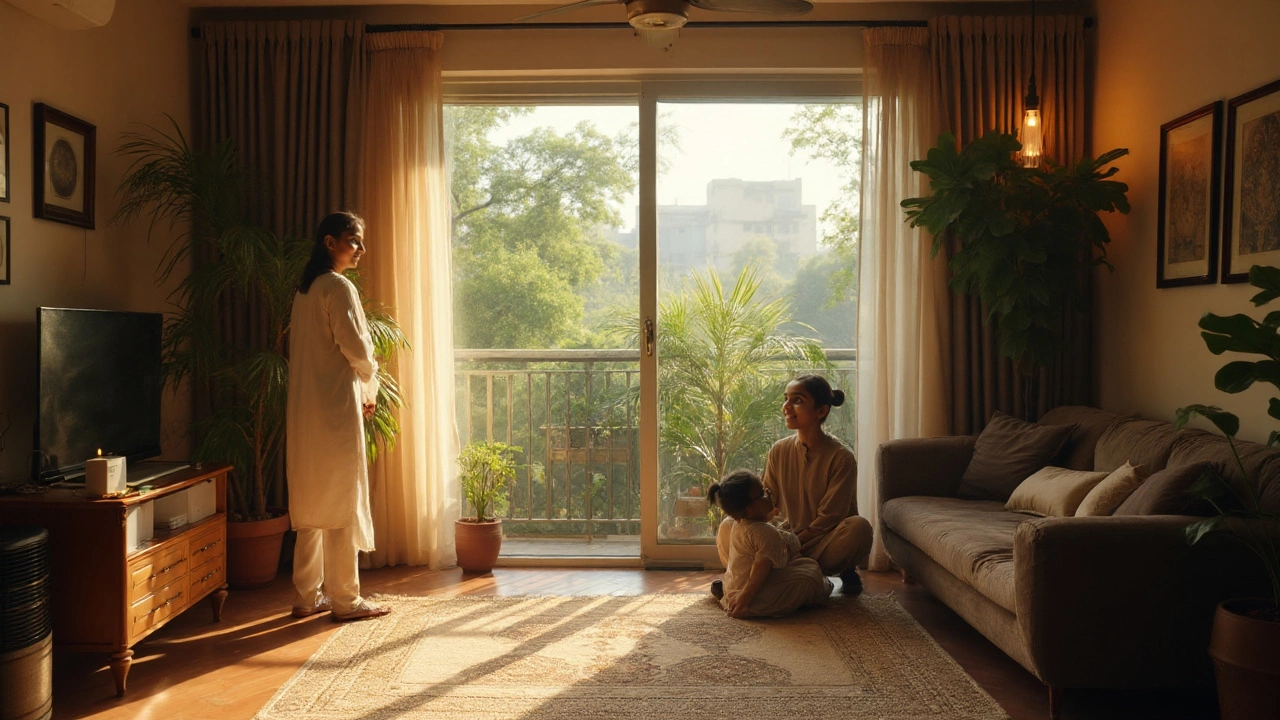
Do Your Surroundings Affect You? Science-Backed Ways to Shape Your Space and Mood
Yes-surroundings change mood, focus, and health. See how air, noise, light, and community shape wellbeing, plus practical steps to fix home, work, and street environments.
DetailRelated Posts